
Last updated September 23, 2026
Free visual inspection and a written scope of work before any mitigation begins - photos, moisture readings, and drying logs go in your claim file
The scope we write is the scope we bill. Anything new gets shown to you, in writing, before we touch it.
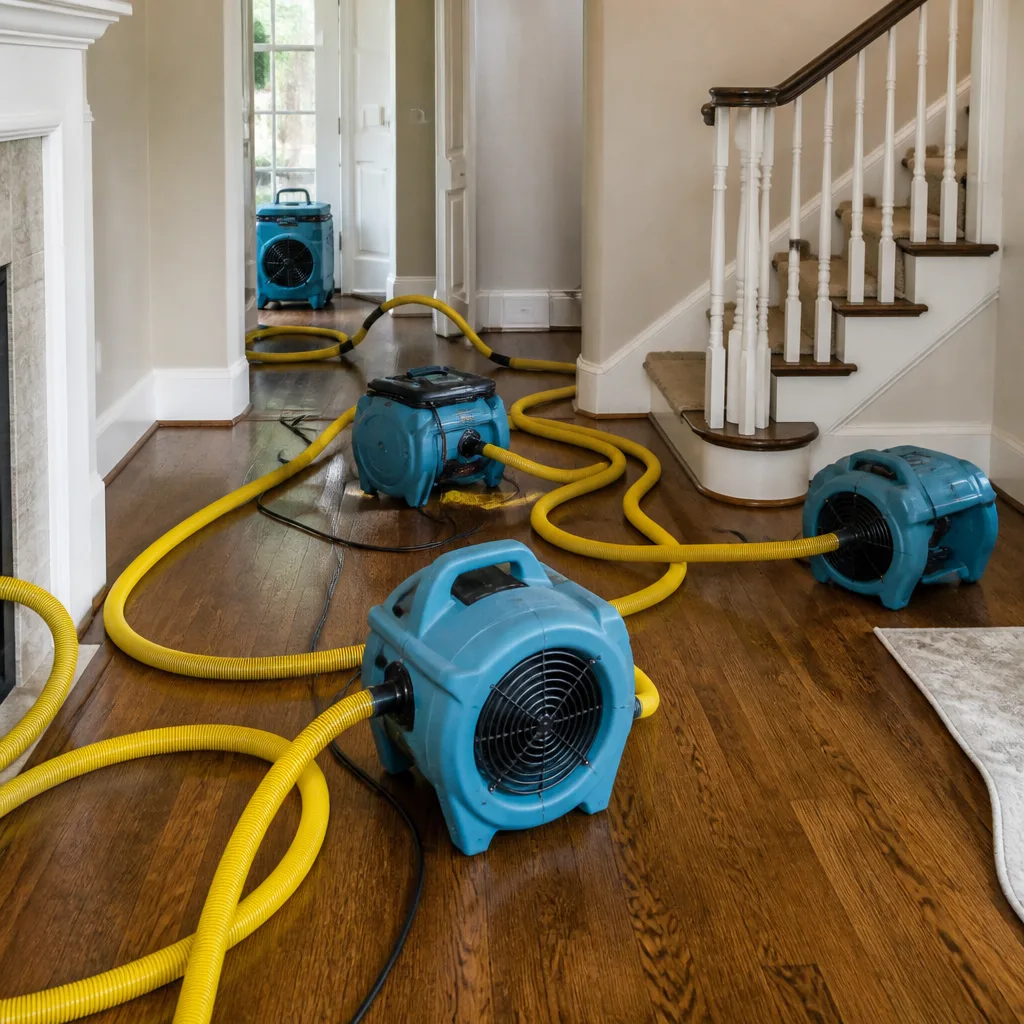


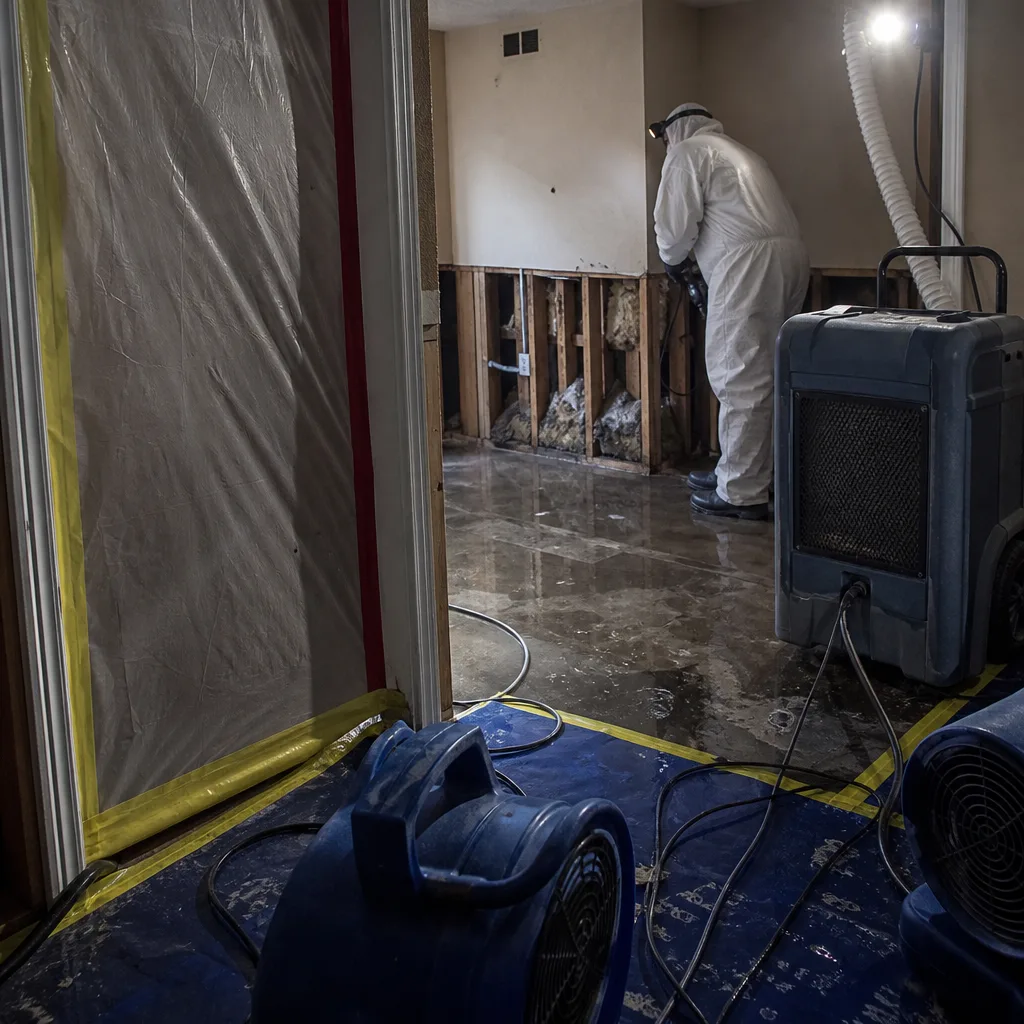 Before
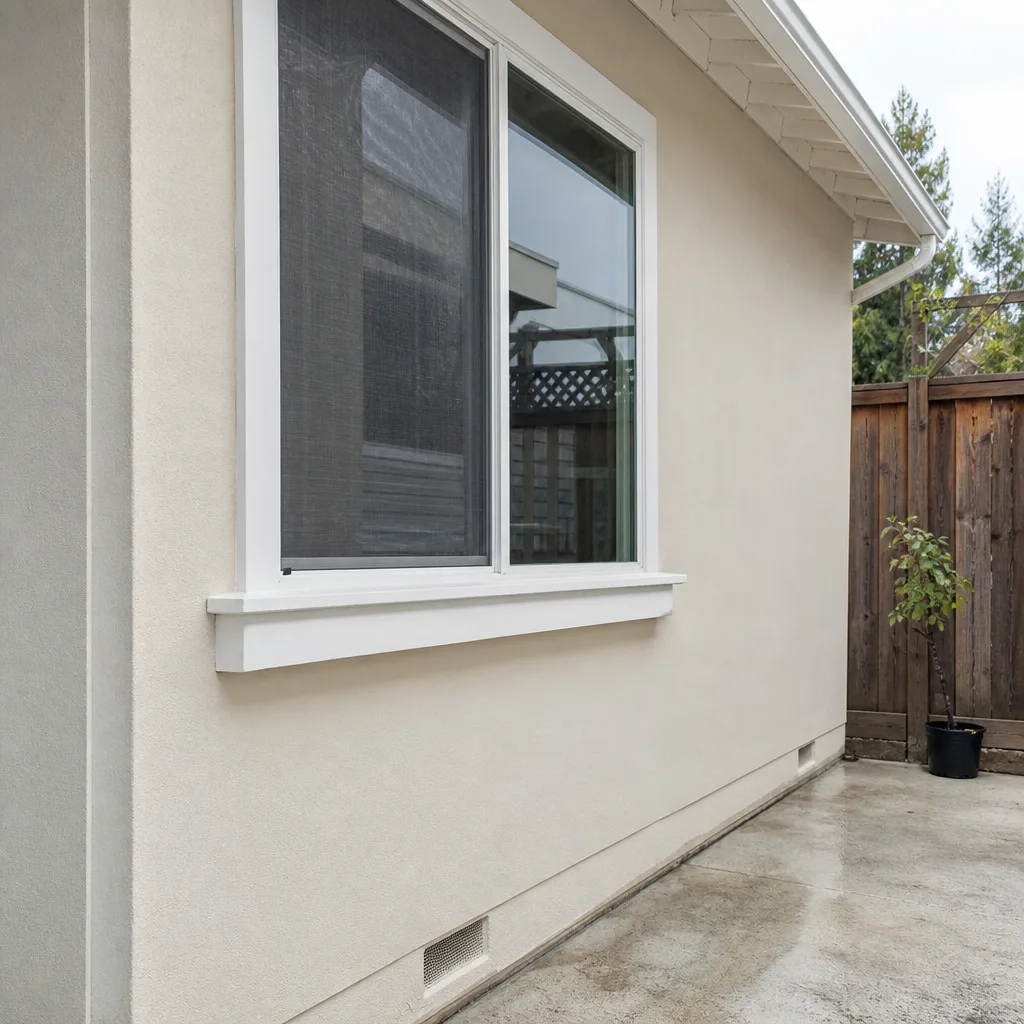 After
After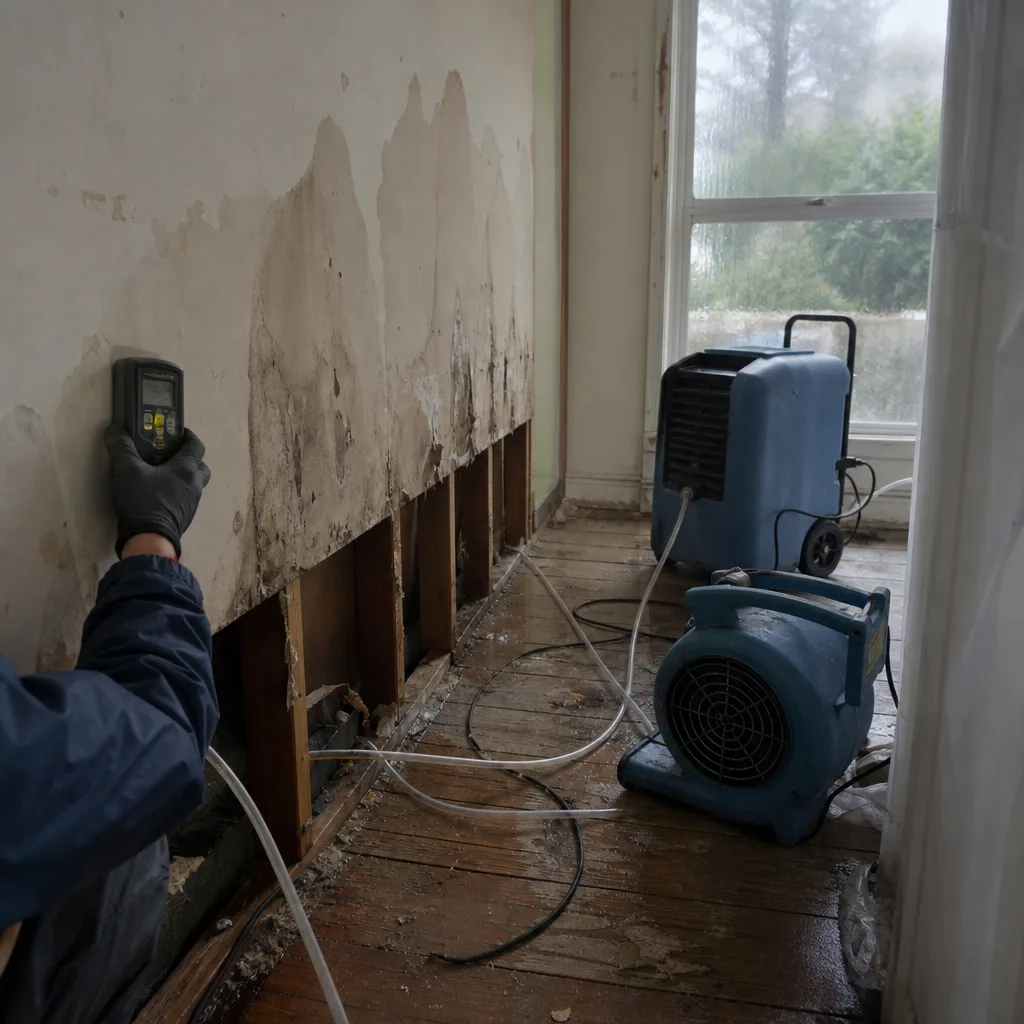 Before
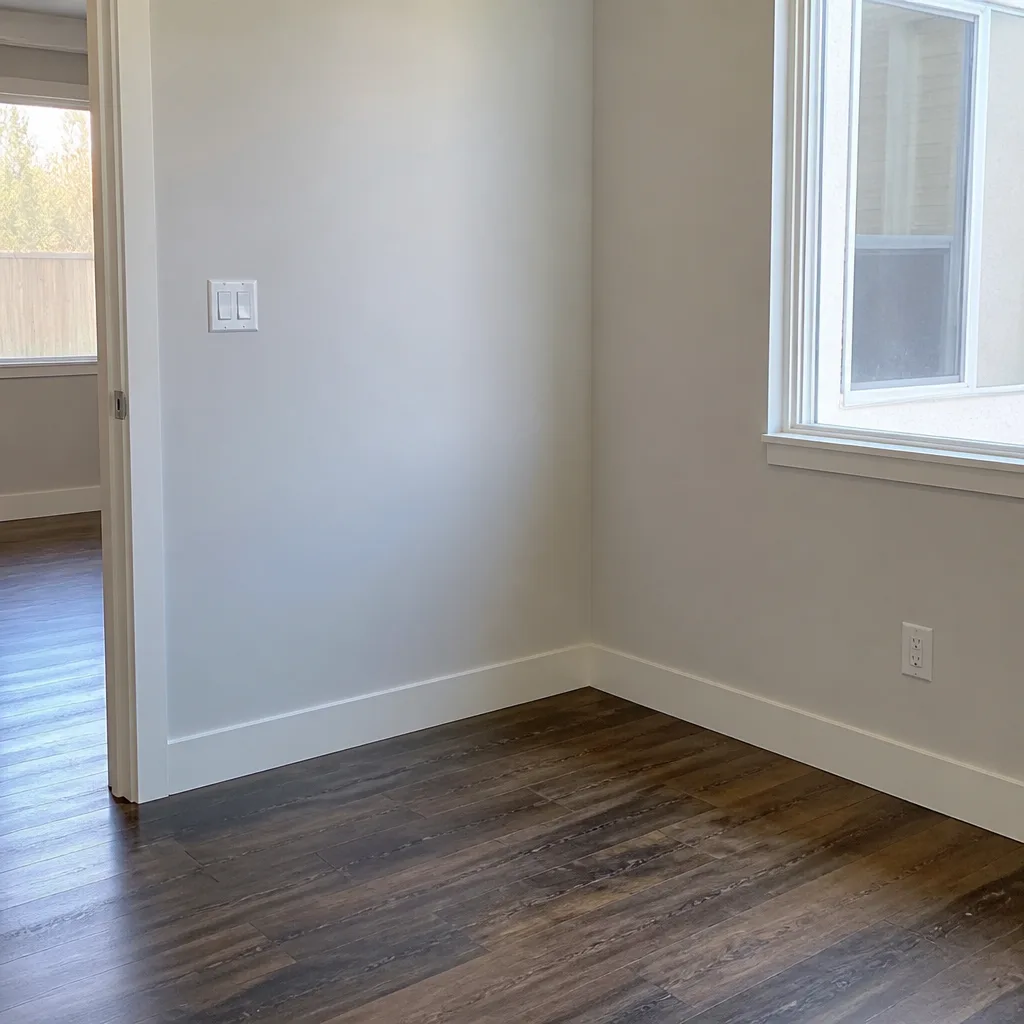 After
After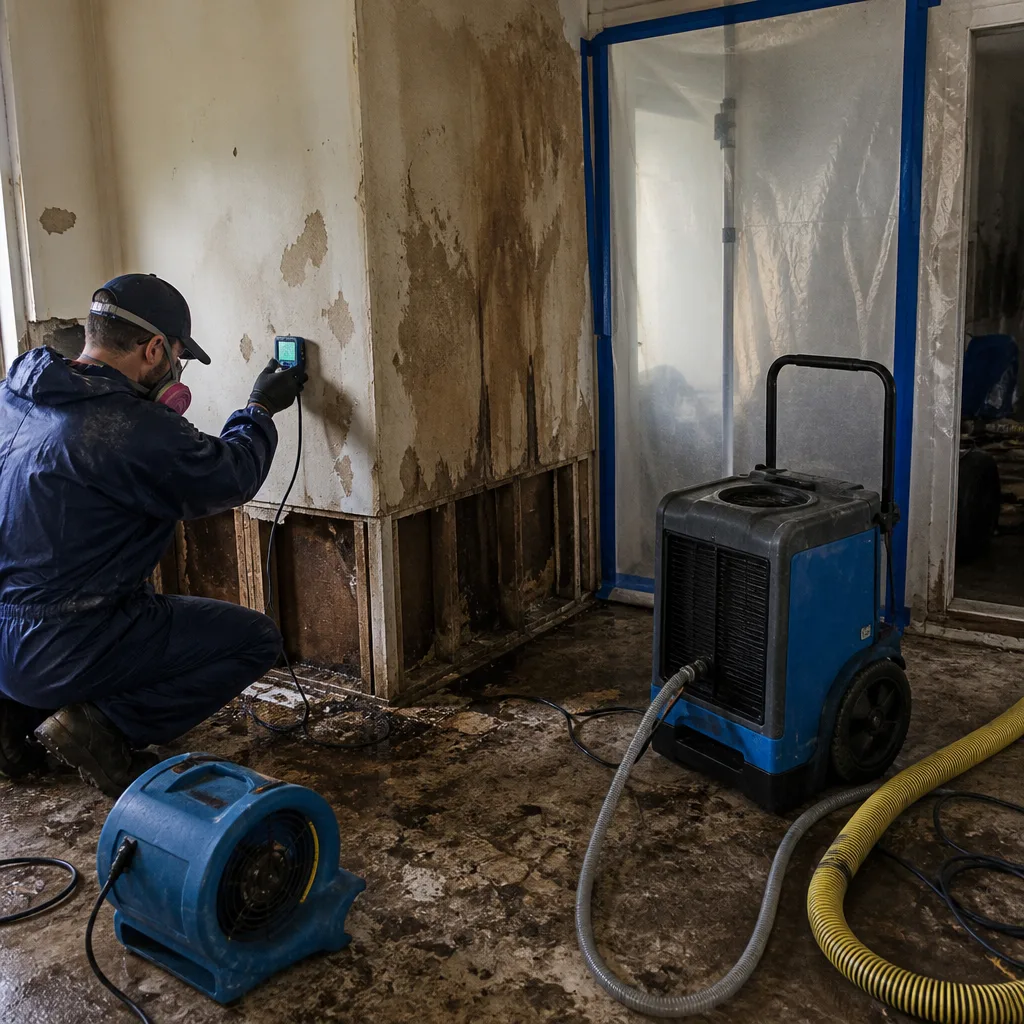 Before
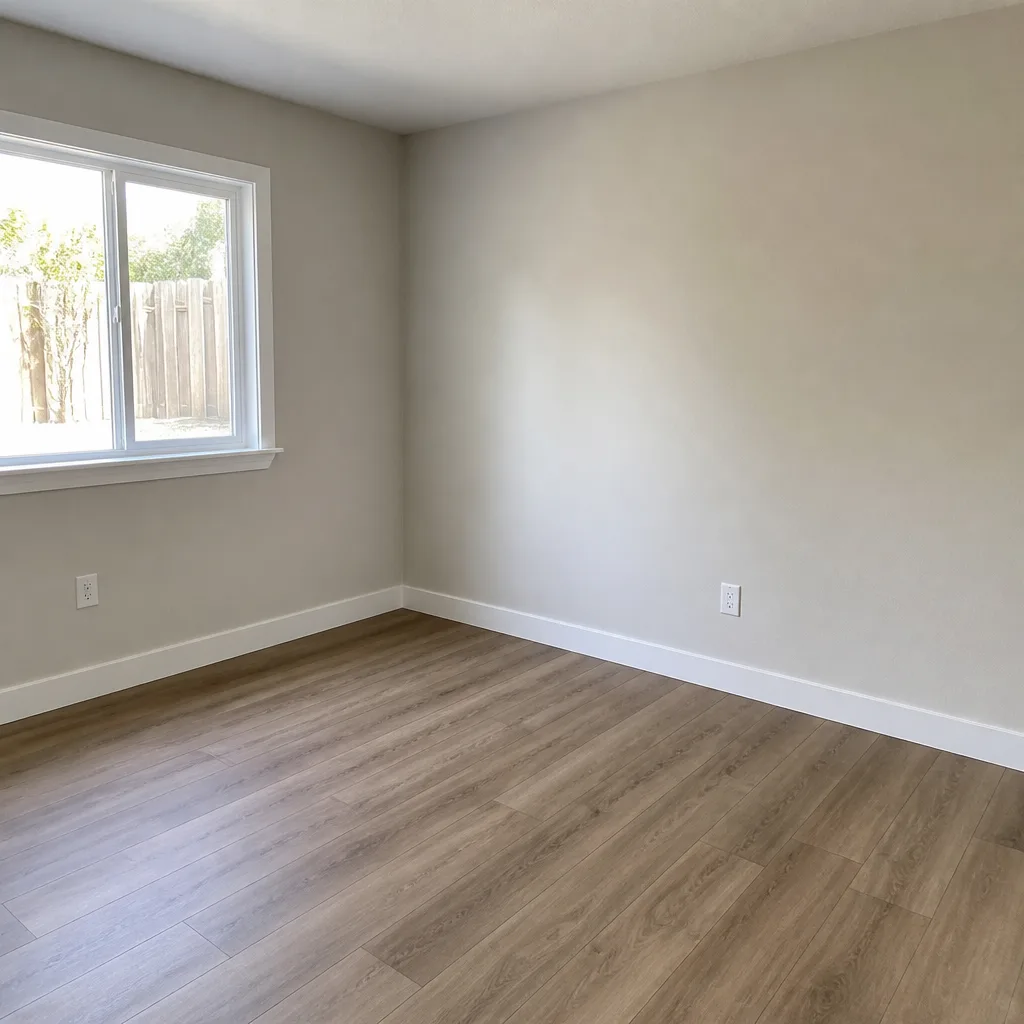 After
AfterDIY vs Professional Damage Restoration: The San Marcos Homeowner’s Decision Guide
California courts have upheld insurance claim denials where homeowners self-dried water damage because the insurer could demonstrate, using the complete absence of drying documentation, that the property’s condition at the time of loss was unverifiable. In San Marcos, where summer indoor humidity routinely climbs past 65% and compresses mold growth windows to 48 hours, the DIY versus professional decision is rarely about the cost of equipment rental. It’s about whether the homeowner can produce the moisture logs, timestamped photos, and written scope that transform a restoration invoice into a payable claim. This guide-and our Water Damage Restoration Maintenance Checklist for San Marcos Homeowners-explains exactly when self-remediation preserves your rights, when it forfeits them, and what documentation standard you must meet to avoid becoming the next case study in claim denial.
Quick Answer
DIY damage restoration is appropriate only for Category 1 clean water losses under 10 square feet with no wall or subfloor penetration, where the homeowner can document before-and-after moisture readings at 24-hour intervals. For every other scenario in San Marcos, including any Category 2 or 3 water, fire or smoke damage, mold growth, sewage backup, or structural drying, professional restoration is necessary to preserve insurance coverage and avoid secondary damage that can exceed the original loss by multiples. The documentation gap, not the labor cost, is what separates a successful DIY effort from a denied claim.
Table of Contents
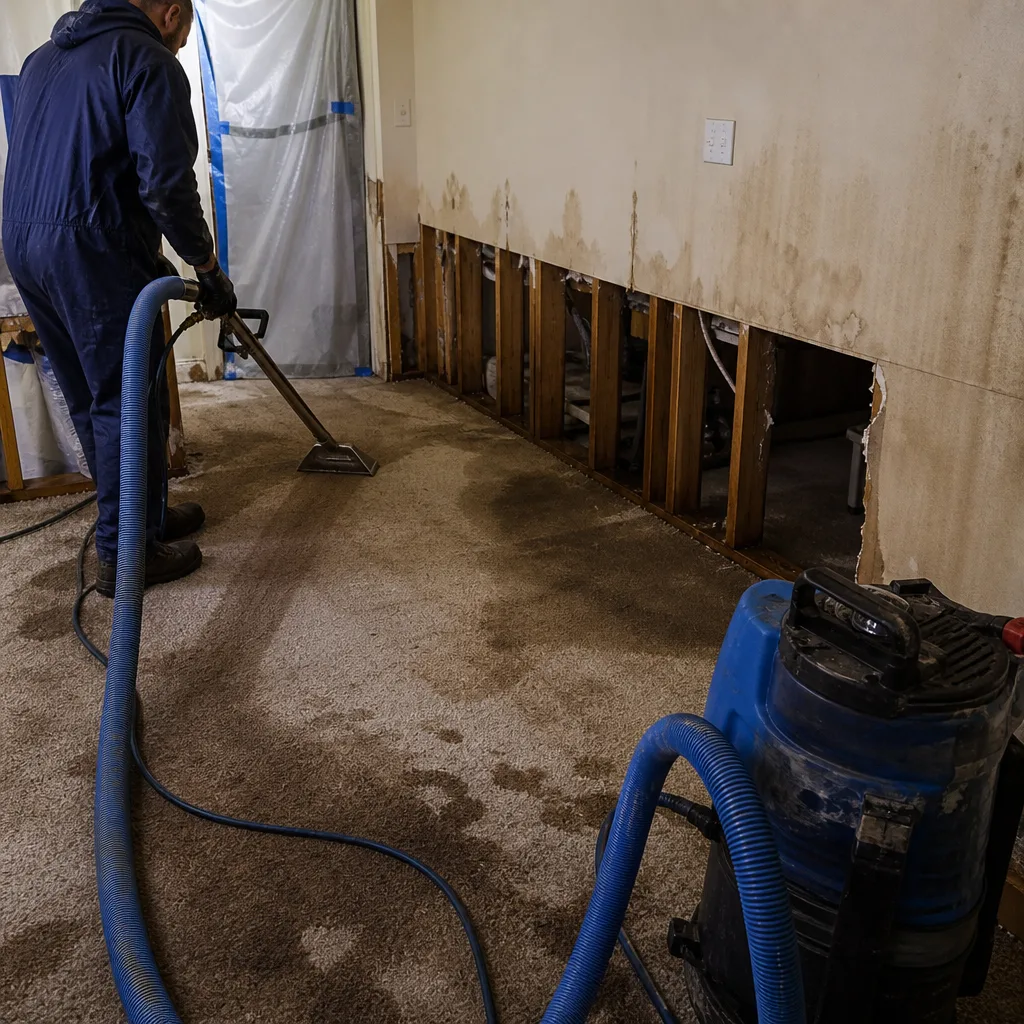
- When DIY Restoration Actually Works in San Marcos
- What Consumer Equipment Actually Achieves vs. Professional Systems
- The Documentation Standard That Preserves Your Insurance Rights
- San Marcos Mold Risk: The 48-Hour Calculus
- DIY Work, Professional Warranties, and What Fails When
- Real Cost Comparison: DIY vs. Professional by Damage Type
- How Self-Remediation Affects Your Insurance Claim
- Common Mistakes to Avoid
BeforeAfterWhen DIY Restoration Actually Works in San Marcos
Self-remediation is defensible in a narrow band of circumstances. We’ve documented these boundaries across 12,000+ homes since 2011, and the pattern is consistent: DIY succeeds when the loss is small, the water is clean, the materials are non-porous, and the homeowner treats documentation as non-negotiable labor.
The four conditions must all be present:
- Category 1 water source: Clean water from a supply line, faucet, or rainwater with no contamination. Category 2 (dishwasher discharge, washing machine overflow) or Category 3 (sewage, floodwater, groundwater) requires professional handling under IICRC standards for health and safety.
- Under 10 square feet of affected area: Measured at the widest point of visible water, not the puddle you mop up. A 3-foot by 3-foot bathroom corner qualifies. A 12-foot wall-to-wall carpet edge does not.
- No wall cavity or subfloor penetration: Water that has wicked into drywall, seeped under laminate flooring, or pooled in crawl spaces requires professional extraction and drying. Surface water only.
- Homeowner can produce documentation: Timestamped photos, moisture meter readings by location, and a written log of all materials removed and drying equipment deployed.
In San Marcos, we see DIY attempts fail most often in the Discovery Hills and San Elijo Hills neighborhoods, where sloped lots and stucco exteriors channel water into wall cavities that appear dry from the interior. A homeowner mops the tile, sets a box fan, and misses the water tracking behind the baseboard into the sole plate. Six weeks later, the mold test comes back positive, the insurance adjuster notes no professional drying log was produced, and the claim is limited to the original water loss, not the $18,000 mold remediation.
Even within the safe DIY zone, you need a pin-type or pinless moisture meter ($40-$120 at hardware stores in San Marcos), not your hand or visual inspection. Drywall at 12% moisture content looks identical to drywall at 18% moisture content. Only the meter tells you whether you’ve reached the 10-12% equilibrium moisture content that indicates safe drying.
What Consumer Equipment Actually Achieves vs. Professional Systems
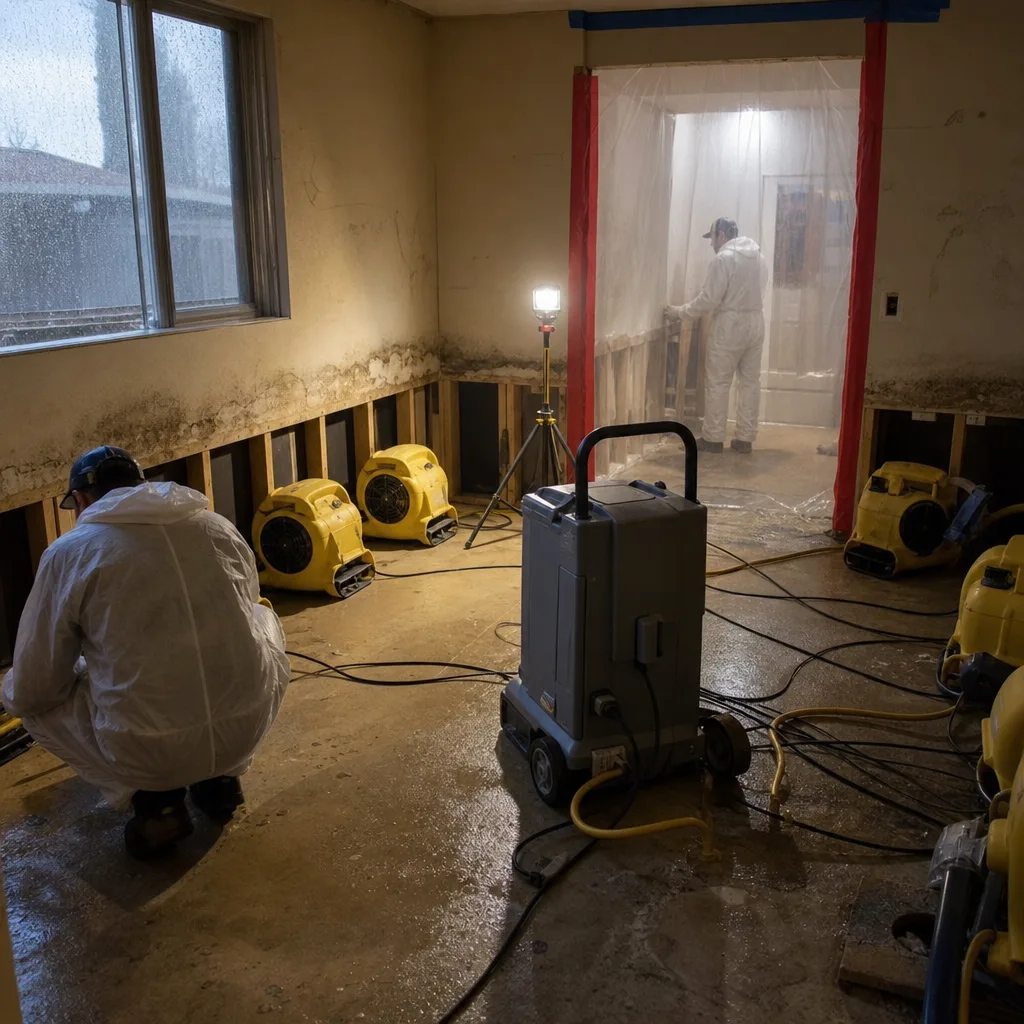
The equipment gap between consumer and professional drying is measured in grain depression, the reduction in moisture content per pound of air that a dehumidifier achieves. This is not marketing language. It is the psychrometric data that determines whether your subfloor dries in 3 days or grows mold in 3 weeks.
Consumer-grade equipment:
- Standard home dehumidifier: removes 30-50 pints per day at 80°F/60% RH, achieves minimal grain depression, no air movement integration
- Box fan: moves air at 1,000-2,000 CFM with no directional control, no heat addition
- Wet/dry vacuum: extracts standing water only, no moisture from porous materials
Professional-grade equipment (Dri-Eaz, Phoenix, XPOWER, B-Air, Injectidry systems):
- Low-grain refrigerant (LGR) dehumidifiers: remove 130-200+ pints per day, achieve grain depression to 40-45 grains per pound, effective even at lower temperatures
- Axial and centrifugal air movers: 2,000-3,400 CFM with focused airflow patterns that create vapor pressure differential across wet surfaces
- Injectidry hardwood floor drying systems: direct negative air pressure through fluted mats to pull moisture from subfloors without removal
- Desiccant dehumidifiers: achieve sub-40 grain levels for dense materials like plaster and hardwood
The practical difference: a consumer dehumidifier and box fan might reduce surface moisture on tile over 72 hours. An LGR system with air movers and a drying chamber can drop a wet subfloor from 28% moisture content to 12% in 36-48 hours, with daily moisture logs documenting the curve for the insurance file.
In San Marcos, where July and August ambient humidity averages 65-75%, consumer dehumidifiers work against the climate. The machine extracts water, but the air replaces it. Professional systems create a controlled drying environment, sealing the affected area with polyethylene barriers and maintaining negative pressure that prevents moisture migration to unaffected spaces.
Equipment rental from San Marcos hardware stores runs $50-$80 per day for consumer dehumidifiers. Professional drying equipment, when deployed by a licensed contractor, is billed to insurance at standard Xactimate rates and carries the documentation that makes the invoice payable. The out-of-pocket cost comparison is misleading unless you account for the claim value you’re protecting.
The Documentation Standard That Preserves Your Insurance Rights
This is the point most DIY guides omit, and it is the point that costs homeowners their claims. Insurance policies require proof of loss. A restoration invoice with moisture logs, photos, and a written scope is proof. A homeowner’s verbal assurance that “we dried it out” is not.
The minimum documentation standard for any DIY drying effort:
- Pre-mitigation photos: Every affected surface, timestamped, with a measuring tape or ruler visible for scale. Include wide shots and close-ups. Store in cloud backup, not solely on your phone.
- Moisture readings at 24-hour intervals: Logged by room, by material type, with meter type and calibration date noted. Drywall, wood framing, subfloor, and concrete each read differently. Note which scale you’re using.
- Equipment deployment log: What machine, where placed, what time started and stopped, daily ambient temperature and relative humidity.
- Material removal record: What was removed, why, where disposed, with photos of each stage.
- Post-mitigation verification: Final moisture readings at all original locations, photo documentation of dry condition, signed and dated by the homeowner.
Without this documentation, an insurer can deny or limit a claim on the basis that the homeowner’s drying method was unverified and may have caused additional damage. California case law, including appellate decisions upholding these denials, treats the absence of documentation as a failure to mitigate, which shifts liability to the policyholder.
At DryMark Restoration San Marcos home, every job under The Haven Standard includes this documentation as a standard deliverable, never an upsell. The photo record, drying log, and written scope are produced on every visit, with the license number of the attending technician noted. This is why our invoices settle without dispute: the evidence is in the file before the adjuster asks for it.
Haven Standard, Clause 1 requires a written price before any work starts. For DIY efforts, the equivalent discipline is a written scope before any drying begins. What will you dry, how will you verify it, and what is your threshold for calling a professional? Write it down. Date it. Sign it. This single habit separates defensible self-remediation from a claim that unravels under scrutiny.
San Marcos Mold Risk: The 48-Hour Calculus
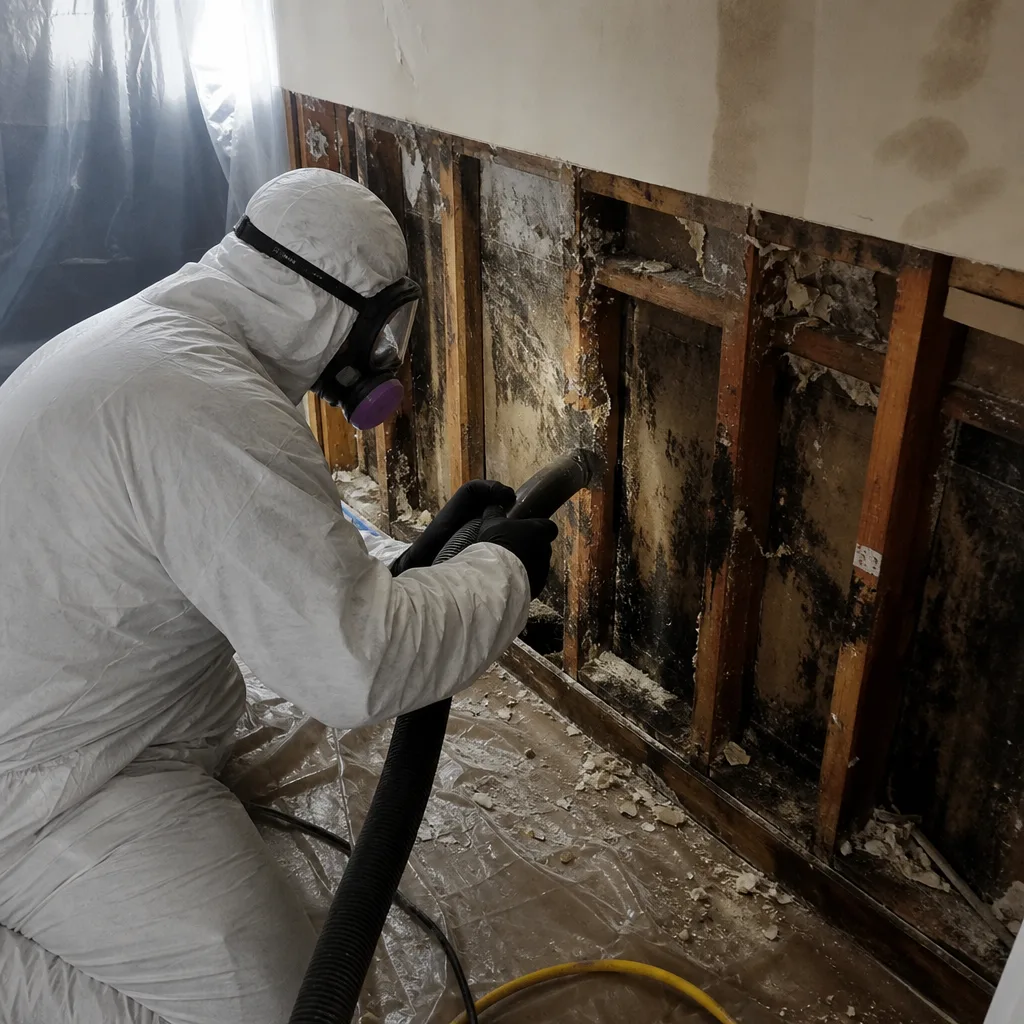
San Marcos sits at the western edge of San Diego County’s inland valleys, where summer temperatures reach the mid-90s and marine layer moisture pushes inland through the afternoon, making seasonal damage restoration care essential for local homeowners. The combination of heat and humidity creates conditions where mold colonization accelerates well beyond the textbook 72-hour window.
At 65% indoor relative humidity, common in San Marcos homes without air conditioning during summer water losses, Aspergillus and Penicillium species can establish visible colonies on cellulose materials within 48 hours. At 75% RH, that window compresses to 24-36 hours. This is not theoretical. In 2023, we documented mold growth on wet drywall in a San Marcos home 31 hours after a supply line rupture, with indoor temperature at 82°F and RH at 71%.
The DIY decision window is therefore a single day in summer conditions. A homeowner who discovers water damage on Saturday evening, rents equipment Sunday morning, and begins drying Sunday afternoon is already at the edge of safe remediation. Any delay, any underestimation of affected area, any equipment underperformance, and the loss crosses into professional mold remediation territory.
Neighborhoods with particular risk:
- San Elijo Hills: Newer construction with tighter envelopes and less air exchange; moisture lingers in wall cavities
- Discovery Hills: Sloped lots with drainage toward foundations; water intrusion into crawl spaces common
- Twin Oaks Valley: Older homes with original drywall and no vapor barriers; materials more susceptible to rapid mold colonization
Professional mold remediation in San Marcos typically requires containment, negative air pressure, HEPA filtration, and antimicrobial treatment documented to IICRC S520 standards. DIY mold removal on areas exceeding 10 square feet is not recommended by the EPA and is specifically excluded from coverage under most homeowners policies when performed by unlicensed individuals.
DIY Work, Professional Warranties, and What Fails When
When professional restoration fails, the homeowner has recourse: the contractor’s license bond, general liability policy, and written warranty. When DIY restoration fails, the homeowner absorbs the full cost of the failure, often with no insurance coverage for the secondary damage.
Professional failure scenarios and recourse:
- Incomplete drying documented in the moisture log: contractor returns at no charge to extend drying, per the 365-Day Done Right Promise
- Mold recurrence in a dried area: warranty claim triggers re-inspection and remediation at contractor expense
- Structural damage from improper equipment placement: general liability coverage responds
- Documentation dispute with insurer: contractor provides secondary evidence from the job file
DIY failure scenarios and recourse:
- Incomplete drying undetected: homeowner discovers mold 6 months later, files claim, insurer denies for failure to mitigate properly
- Equipment rental damage: homeowner’s policy may exclude, rental agreement assigns liability to renter
- Personal injury from electrical hazard in wet environment: no workers’ compensation, health insurance may dispute
- Neighbor damage from moisture migration: homeowner liability, no contractor’s insurance to respond
The 365-Day Done Right Promise under The Haven Standard is a signed warranty, not a verbal assurance. It applies to all work performed by DryMark Restoration San Marcos, with the documentation to enforce it. DIY work carries no equivalent protection. The homeowner who saves $800 on equipment rental and faces $14,000 in uncovered mold remediation has not saved money.
In our experience, the most expensive DIY attempts are the ones that appear successful. The homeowner dries the visible water, repaints, and sells the home two years later. The buyer’s inspector finds moisture damage in the wall cavity, the disclosure is questioned, and the homeowner faces a claim for nondisclosure that exceeds any original restoration cost. Documentation protects against this exposure. Its absence invites it.
Real Cost Comparison: DIY vs. Professional by Damage Type
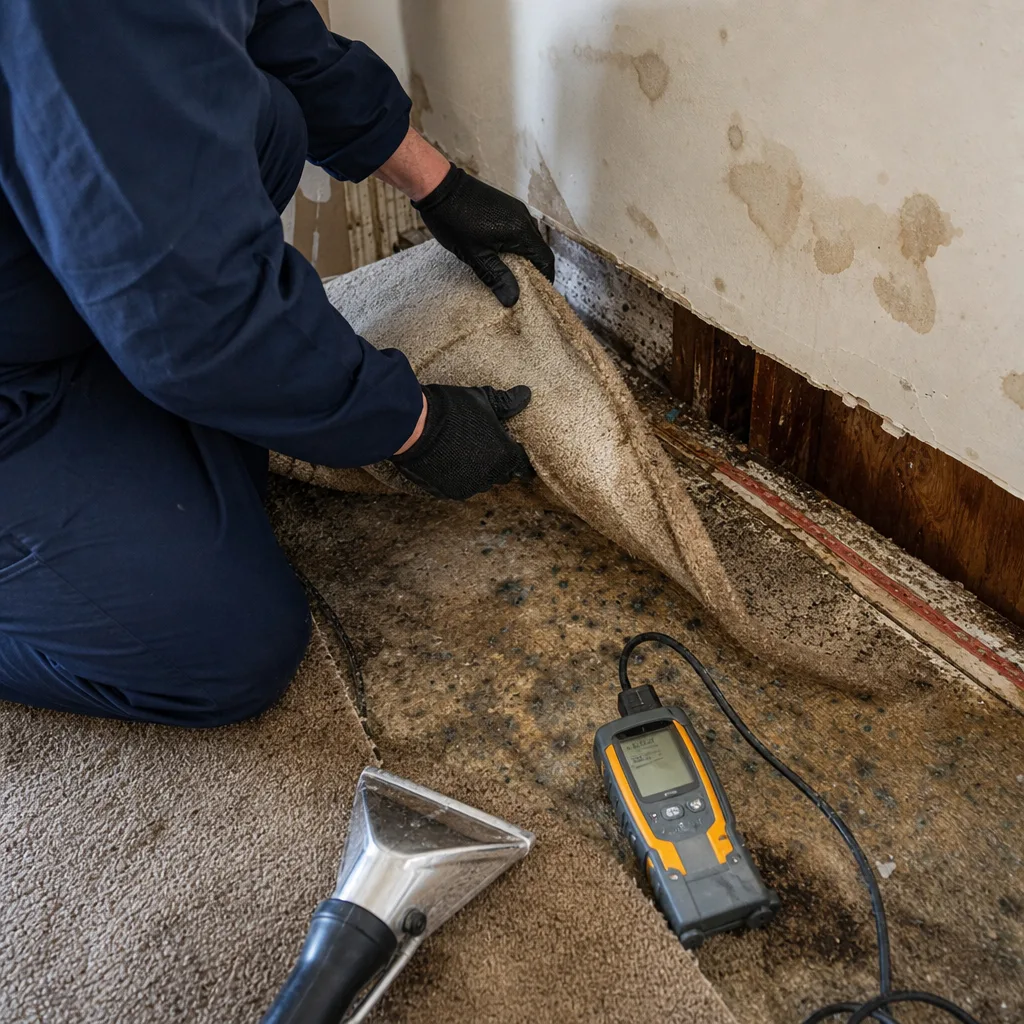
The following ranges reflect San Marcos market conditions as of 2024. They include equipment, materials, and the documentation required for insurance purposes. Professional costs assume standard deductible and typical coverage; out-of-pocket varies by policy.
| Damage Type | DIY Cost Range | Professional Cost Range | Insurance Implications |
|---|---|---|---|
| Category 1 water, <10 sq ft, surface only | $150-$400 (equipment rental, moisture meter, supplies) | $500-$1,200 | DIY viable with full documentation; professional preferred for claim protection |
| Category 1 water, 10-100 sq ft, wall/ceiling involvement | $400-$900 (rental, materials, possible drywall replacement) | $1,800-$4,500 | DIY risky; professional documentation significantly improves claim outcome |
| Category 2 or 3 water (gray/black water) | Not recommended | $3,500-$8,500+ | Professional required; DIY may void coverage for health/safety reasons |
| Fire/smoke damage, any size | Not recommended | $4,500-$25,000+ | Professional required; smoke damage documentation critical for content claims |
| Mold remediation, <10 sq ft | $100-$300 (cleaning supplies, PPE) | $1,200-$2,500 | DIY possible but not advised; professional includes air quality verification |
| Mold remediation, >10 sq ft | Not recommended | $2,500-$15,000+ | Professional required; DIY exclusion common in policies |
| Sewage backup | Not recommended | $5,000-$12,000+ | Professional required; health department notification may be required |
The professional cost ranges include the documentation package that makes the invoice payable: daily moisture logs, photo records, written scope, and equipment specifications. The DIY cost ranges do not include the value of your time, the risk of incomplete remediation, or the potential cost of a denied claim.
For Water Damage Restoration in San Marcos, professional service includes the drying equipment, the monitoring, and the file documentation that preserves your full claim value. The apparent premium is often recovered through faster claim settlement and broader coverage.
How Self-Remediation Affects Your Insurance Claim
Insurance adjusters evaluate water damage claims against a standard: did the policyholder take reasonable steps to mitigate further damage, and can those steps be documented? Self-remediation that meets the documentation standard satisfies the first prong. Self-remediation without documentation fails both.
Claim scenarios we’ve encountered:
- Documented DIY, successful: Homeowner produced timestamped photos, moisture logs, equipment receipts, and a written scope. Insurer accepted the mitigation effort, paid the content and structure claim, and reimbursed equipment rental. This is rare but possible.
- Undocumented DIY, denied: Homeowner dried the loss with towels and fans, discarded damaged materials without photos, and called the insurer two weeks later when mold appeared. Claim limited to original water loss; mold remediation excluded as failure to mitigate. Out-of-pocket: $11,400.
- Professional with documentation, paid: Standard DryMark Restoration San Marcos home file. Moisture logs showed drying curve, photos showed pre- and post-condition, written scope matched invoice. Claim paid in 14 days, no dispute.
- Professional without documentation, disputed: Competitor job, no daily logs, no photo record, verbal scope only. Adjuster requested documentation, contractor could not produce, claim delayed 60 days, homeowner paid deductible plus out-of-pocket for temporary housing.
The critical insight: documentation quality, not who performed the work, determines claim outcome. But professionals are structured to produce documentation; homeowners typically are not. The Haven Standard exists because our founder, a former claims adjuster, built the company around the documentation gap that costs homeowners their claims.
Direct adjuster coordination is standard on every DryMark Restoration San Marcos job. We provide the photo record, the drying log, and the written scope in the format adjusters expect, reducing back-and-forth and accelerating payment. This service is included, not billed separately, because it benefits both the homeowner and the efficiency of our operation.
For Fire & Smoke Damage Restoration in San Marcos, documentation is even more consequential. Content inventory, smoke damage testing by room, and structural condition reports must meet NFPA and insurer standards. Self-documentation after fire loss is virtually impossible given the displacement and trauma of the event.
Common Mistakes to Avoid
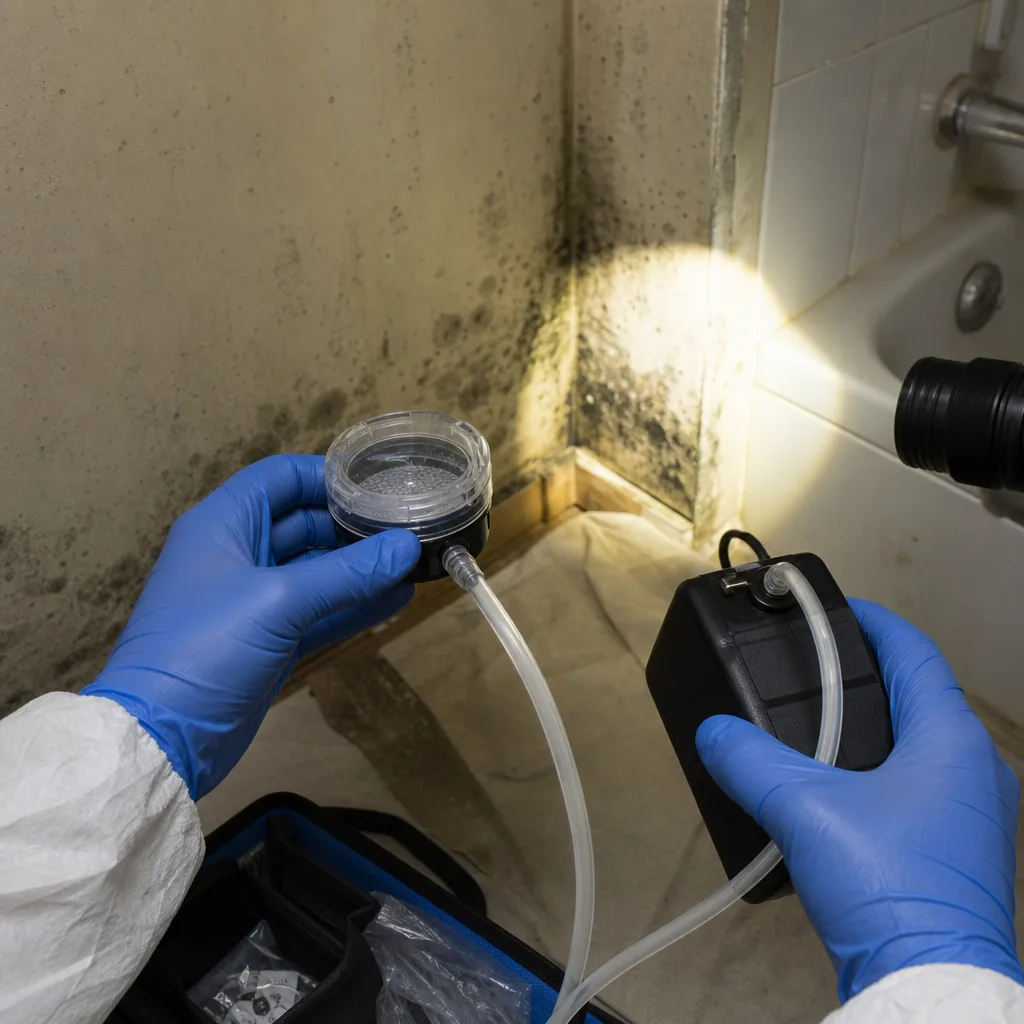
- Assuming visible dryness equals actual dryness. San Marcos homeowners frequently declare a job done when the carpet feels dry, while the subfloor remains at 20% moisture content. Always verify with a meter at multiple depths.
- Discarding damaged materials before photo documentation. Insurers require evidence of what was removed and why. A soggy drywall pile at the curb proves nothing. Photograph in place, during removal, and after disposal.
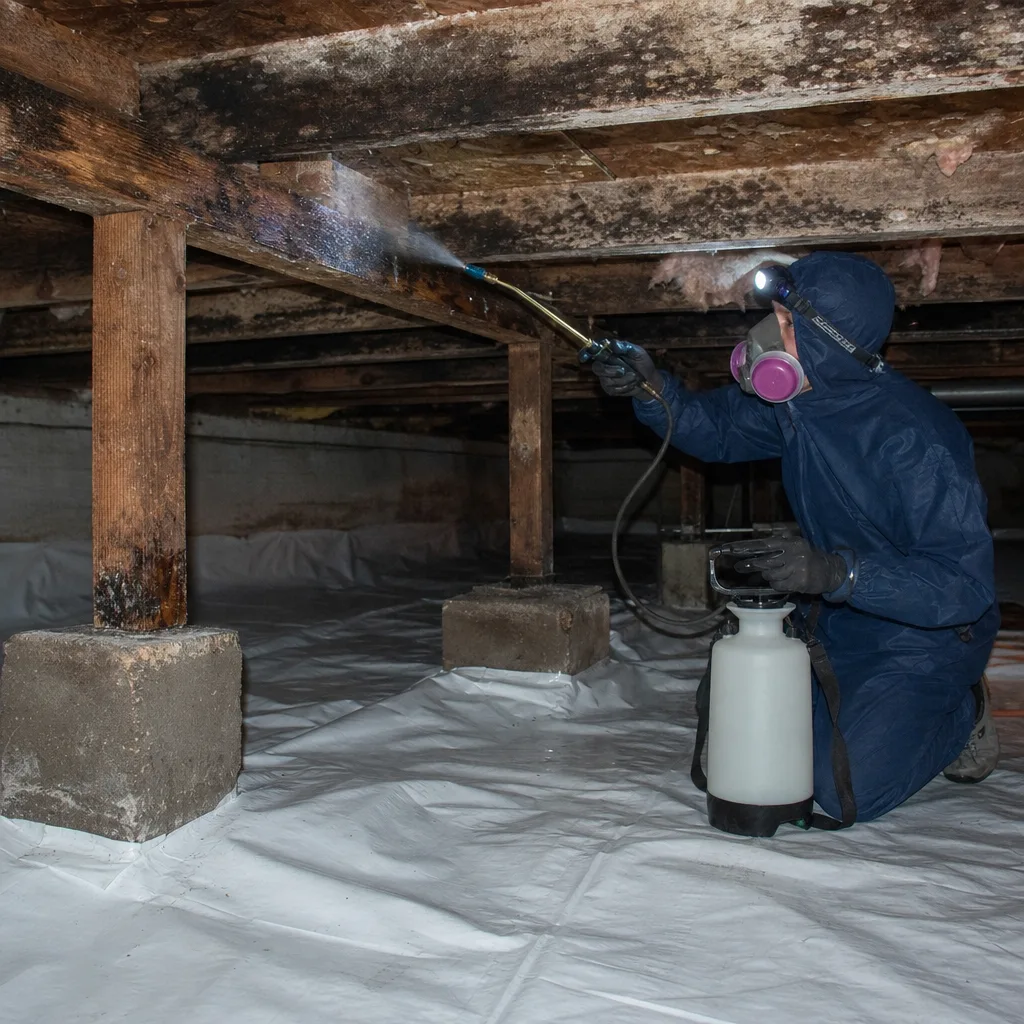
- Using household bleach on mold. Bleach evaporates faster than it penetrates porous materials, leaving moisture that feeds deeper mold growth. It also damages the fibers that hold drywall together. Use antimicrobial products labeled for restoration, or call a professional.
- Ignoring the crawl space or attic in San Marcos homes. Water from upstairs losses routinely migrates through wall cavities into these spaces. A moisture meter reading in the living room does not tell you what’s happening two floors down.
- Failing to log equipment runtime and conditions. An insurer can dispute whether your dehumidifier ran continuously or intermittently. Log start/stop times, ambient temperature, and RH readings daily.
- Delaying professional consultation to avoid “wasting” the DIY effort. The sunk cost of a failed DIY attempt is minor compared to the cost of extended moisture exposure. If 24-hour moisture readings show no progress, call immediately. In San Marcos summer conditions, every day of delay expands the affected area.
- Accepting a competitor’s verbal estimate without written scope. Haven Standard, Clause 1 exists precisely because verbal pricing invites scope creep. If you’re comparing professional options, demand written prices from all bidders. Our Free Second Opinion on any competitor’s written estimate is available at no charge.
When to Call a Professional
Call a professional when any of the following apply: the water source is Category 2 or 3; the affected area exceeds 10 square feet; water has penetrated walls, ceilings, or subfloors; mold is visible or suspected; the loss involves fire, smoke, or sewage; or you cannot produce the documentation standard described in this guide. For guidance on selecting the right contractor, see our step-by-step guide to hiring a damage restoration contractor in San Marcos. In San Marcos, where summer humidity compresses safe drying windows to 48 hours, hesitation is the most expensive decision.
Mold Remediation in San Marcos requires professional containment and air quality verification for any area exceeding 10 square feet. Self-remediation beyond this threshold risks health exposure and claim exclusion.
DryMark Restoration San Marcos offers free estimates in San Marcos. Call (858) 434-8474. A live person answers every call, 24 hours a day, 7 days a week, with no voicemail on emergency lines. Every job is quoted in writing before work begins, documented with a photo record on every visit, and covered by the 365-Day Done Right Promise. Equipment deployed includes professional-grade drying systems from Dri-Eaz, Phoenix, XPOWER, B-Air, and Injectidry, with all work documented to IICRC, RIA, and IFA standards.
Frequently Asked Questions
Professional Category 1 water damage restoration in San Marcos typically ranges from $1,800 to $4,500 for losses between 10 and 100 square feet, while comparable DIY equipment rental runs $400 to $900. The professional cost includes documentation that preserves insurance claim value, which DIY rarely achieves. For an exact quote on your specific loss, call (858) 434-8474. Estimates are free.
You can file, but the claim may be denied or limited if you cannot produce documentation of your drying method, including timestamped photos, moisture readings at 24-hour intervals, and a written scope of work. California courts have upheld denials where homeowners lacked this documentation. Professional restoration includes these records as standard. Call (858) 434-8474 to discuss documentation requirements for your specific policy.
Live phone coverage is available 24 hours a day, 7 days a week with no voicemail on emergency lines. Dispatch times vary by current call volume and your location within San Marcos, but emergency water damage calls receive priority response. For current availability, call (858) 434-8474.
Most policies exclude mold remediation that results from the homeowner’s failure to mitigate water damage properly. If your DIY drying was incomplete and mold resulted, the insurer may deny the mold claim while paying only the original water loss. Professional drying with documented moisture logs prevents this outcome. For a Free Second Opinion on any competitor’s written estimate, call (858) 434-8474.
Drywall is considered dry at 10-12% moisture content, measured with a pin-type or pinless moisture meter calibrated for gypsum materials. Readings must be taken at multiple locations, including areas that appeared unaffected, to confirm complete drying. A single reading in the center of a dry-looking patch is insufficient documentation. Professional restoration includes room-by-room moisture mapping with readings logged at 24-hour intervals.
Structural repairs and reconstruction may require permits from the City of San Marcos Building Division, located at 1 Civic Center Drive. Emergency mitigation, including water extraction and drying, typically does not require permitting but must meet IICRC standards for documentation. Mold remediation exceeding 100 square feet may require notification to San Diego County Environmental Health. Professional contractors handle permit coordination as part of the reconstruction scope. Call (858) 434-8474 for guidance on your specific project.
The Bottom Line
DIY damage restoration is a documentation exercise first and a repair exercise second. In San Marcos, where climate conditions compress safe drying windows and insurance scrutiny is exacting, the homeowner who cannot produce moisture logs, timestamped photos, and a written scope is gambling with their claim coverage. The narrow band of appropriate DIY, small Category 1 losses with full documentation, exists. For more guides & resources on protecting your home and claim, explore our blog. Everything else, professional restoration is the lower-risk, higher-recovery choice. The cost difference is often recovered through claim preservation alone. The 365-Day Done Right Promise, the written price before work begins, and the documented photo record on every visit are not marketing distinctions. They are the evidence that turns restoration invoices into payable claims.
Written by Alicia Brennan, Owner at DryMark Restoration San Marcos, serving San Marcos since 2011.