
Last updated September 23, 2026
Free visual inspection and a written scope of work before any mitigation begins - photos, moisture readings, and drying logs go in your claim file
The scope we write is the scope we bill. Anything new gets shown to you, in writing, before we touch it.
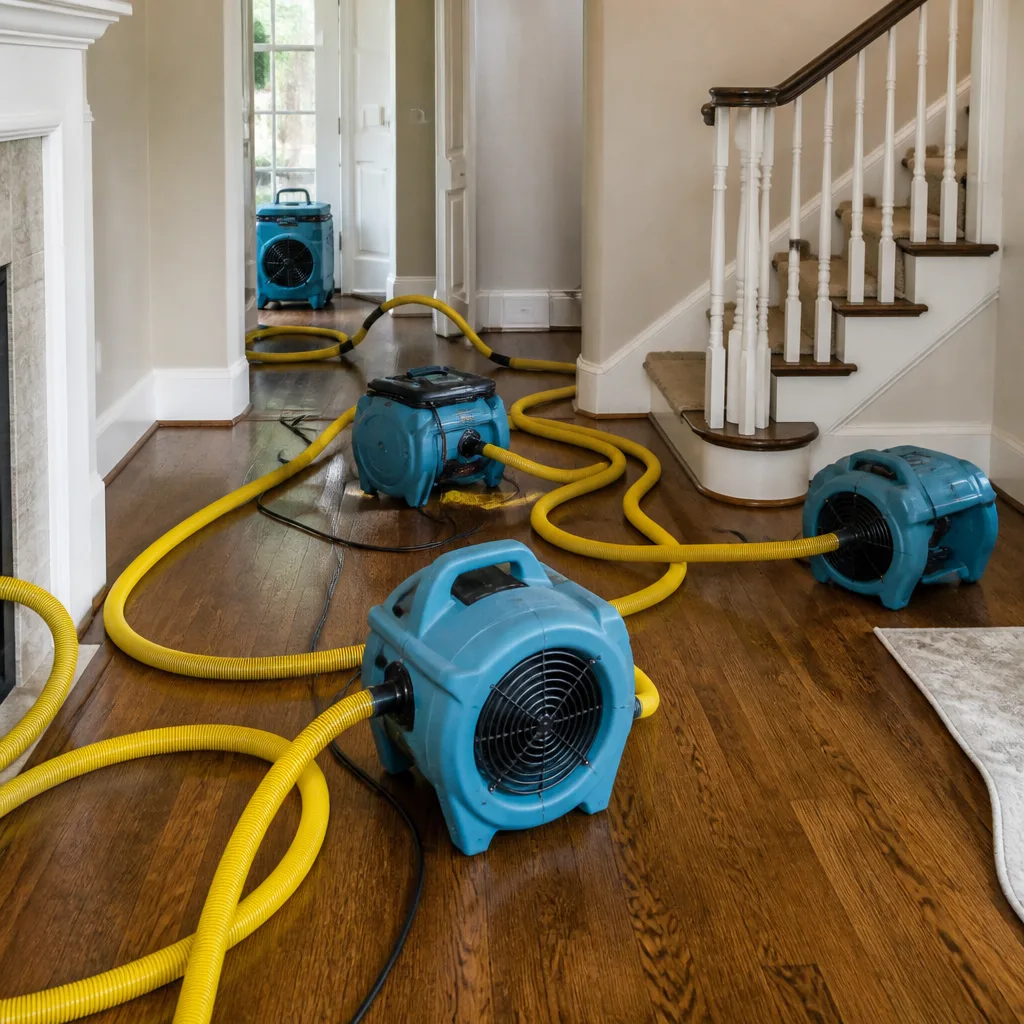

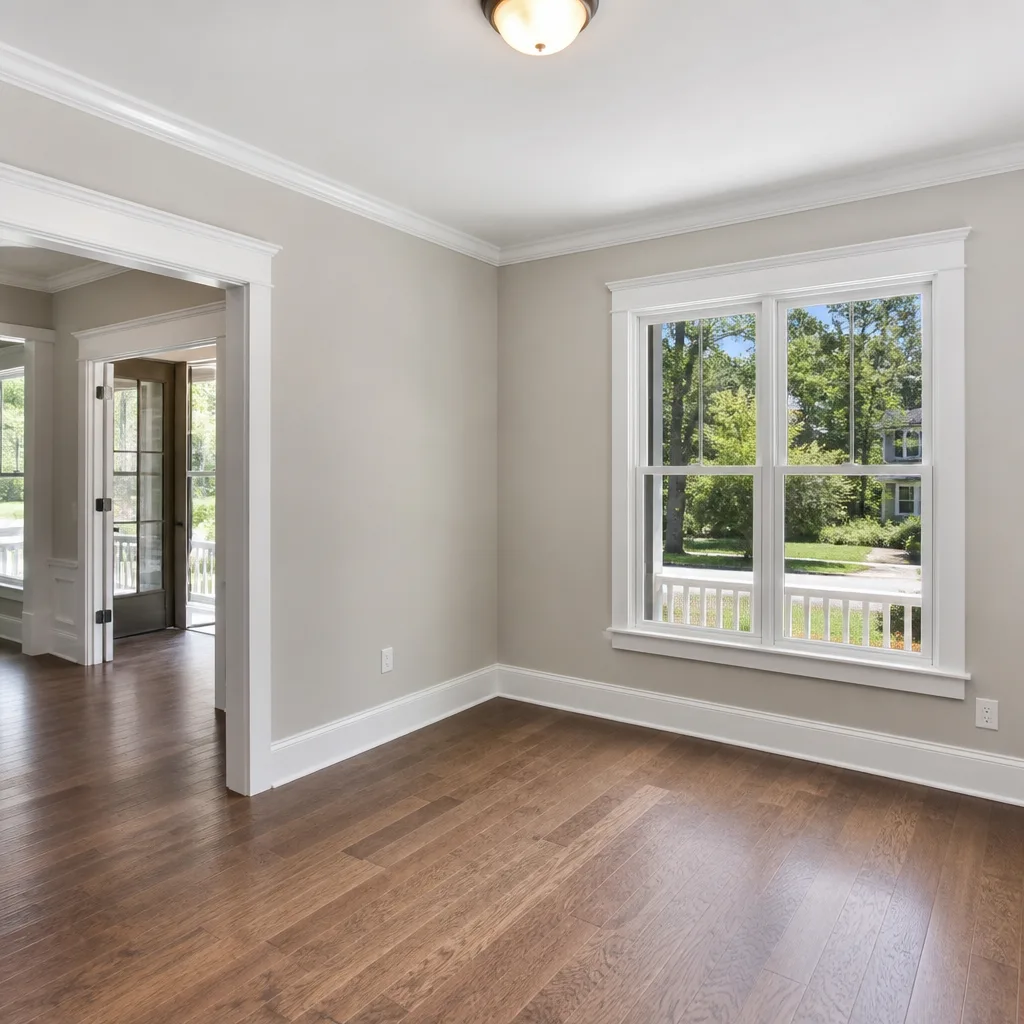

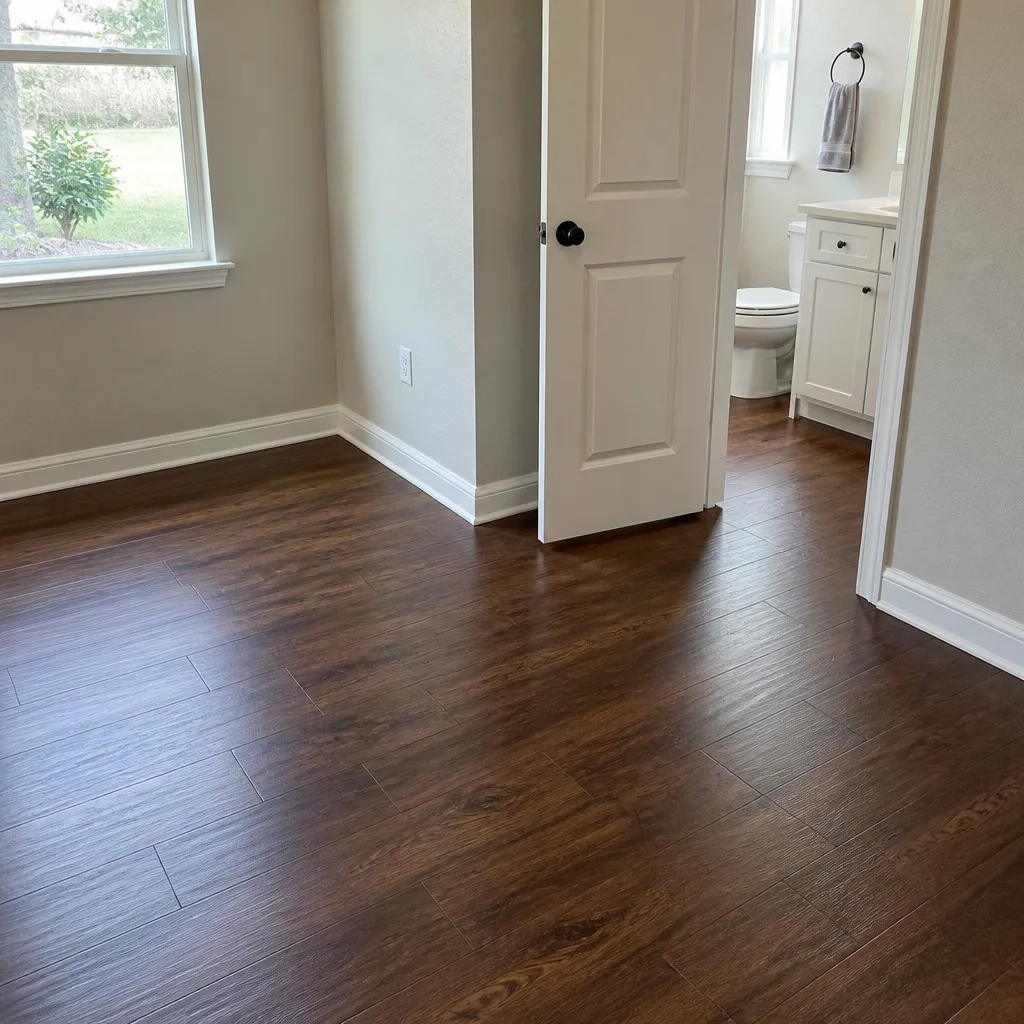

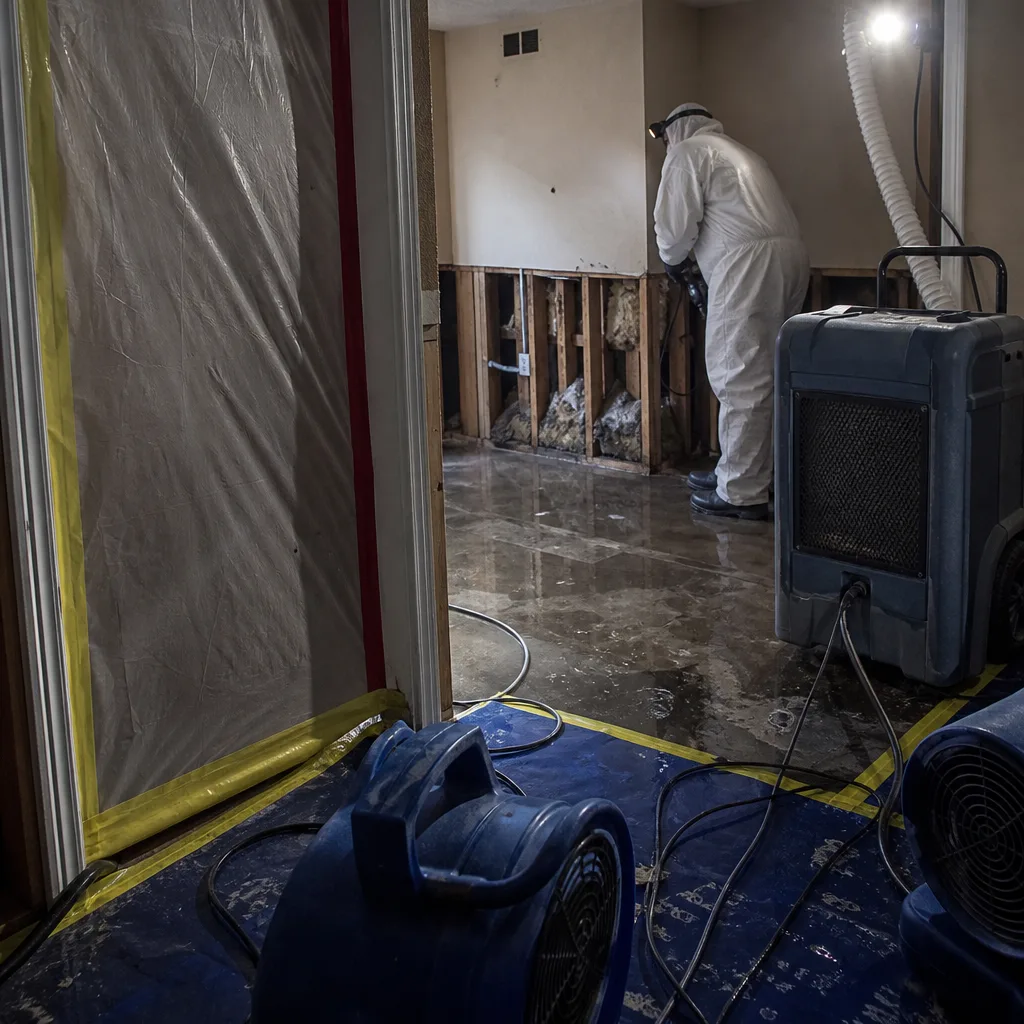 Before
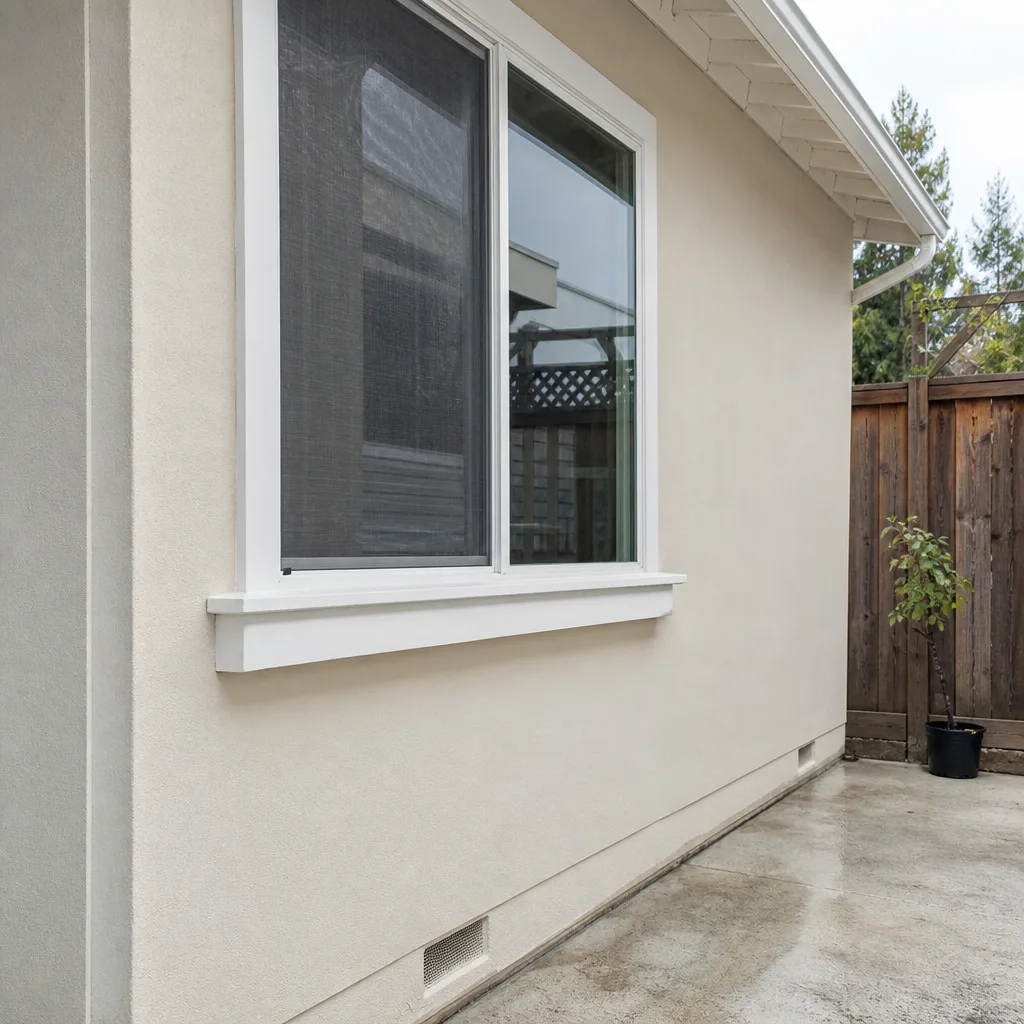 After
After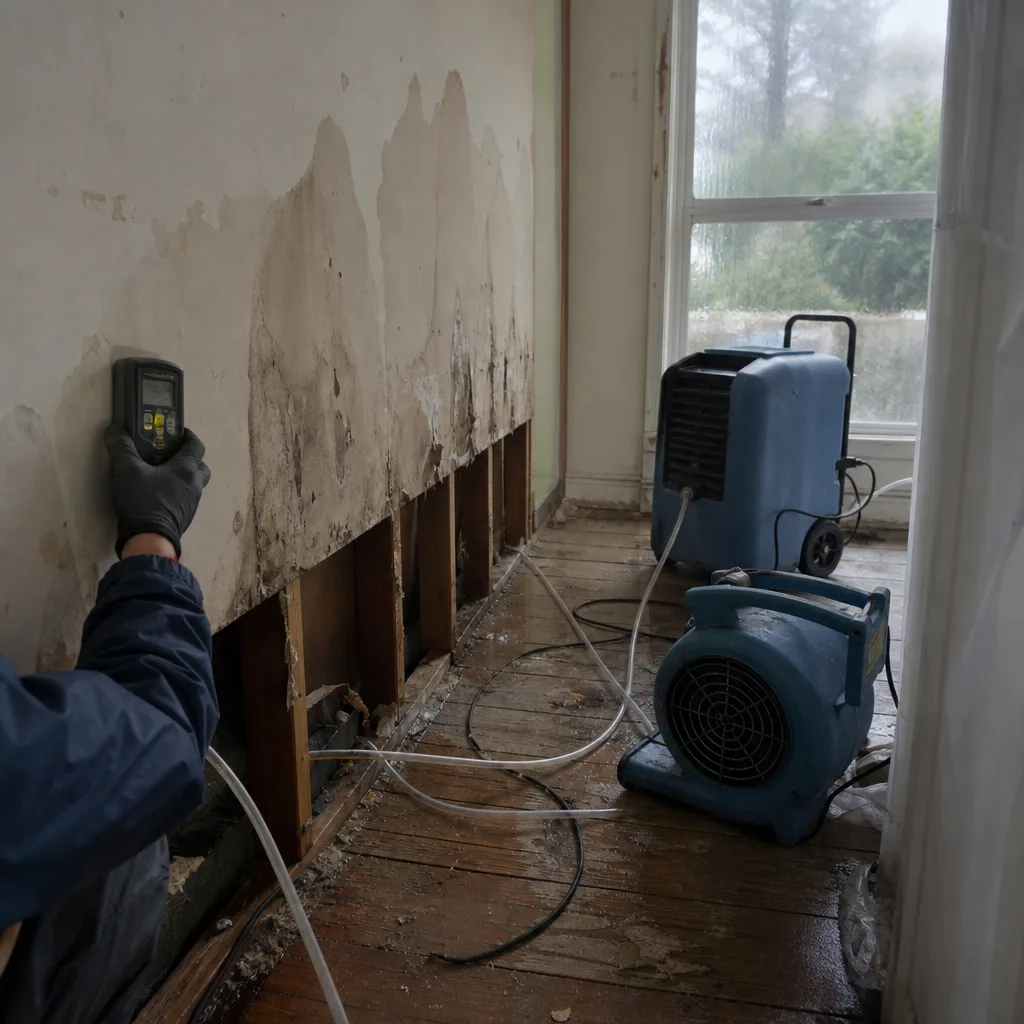 Before
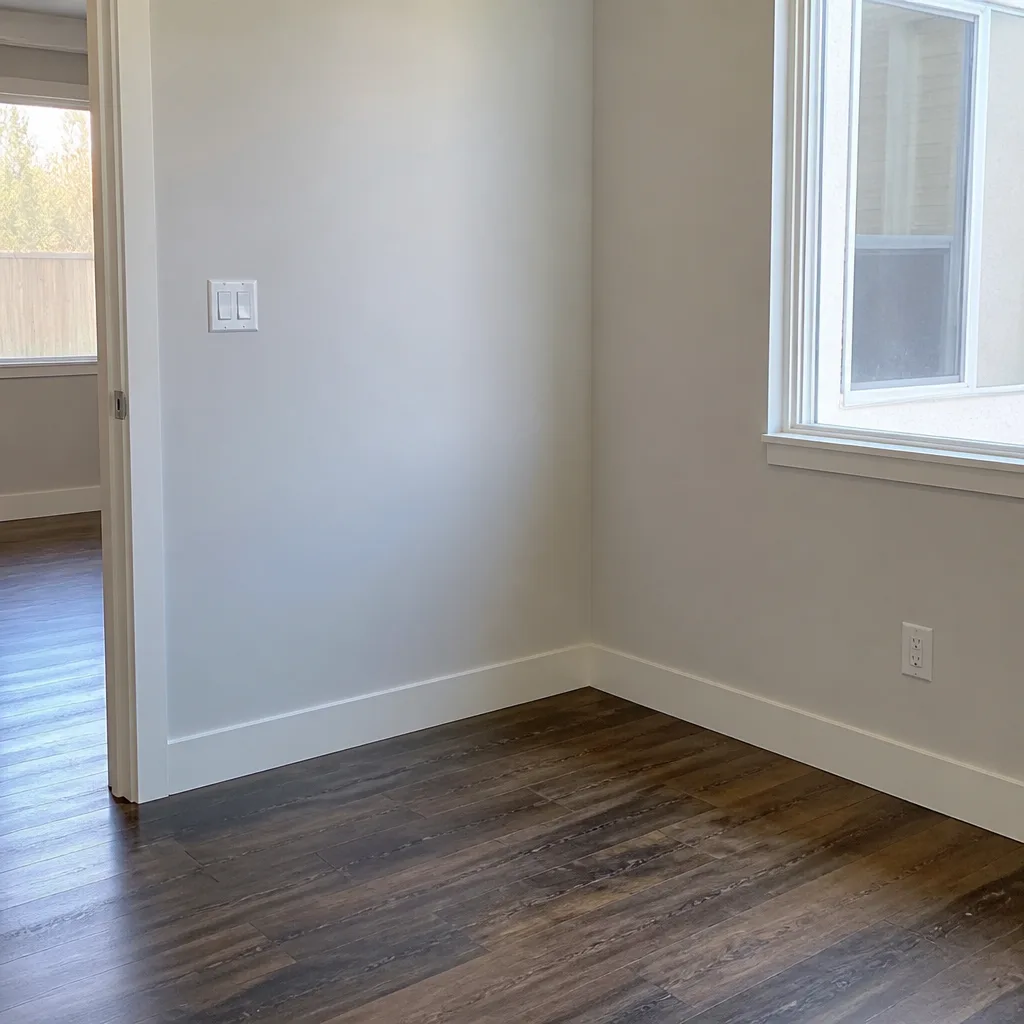 After
After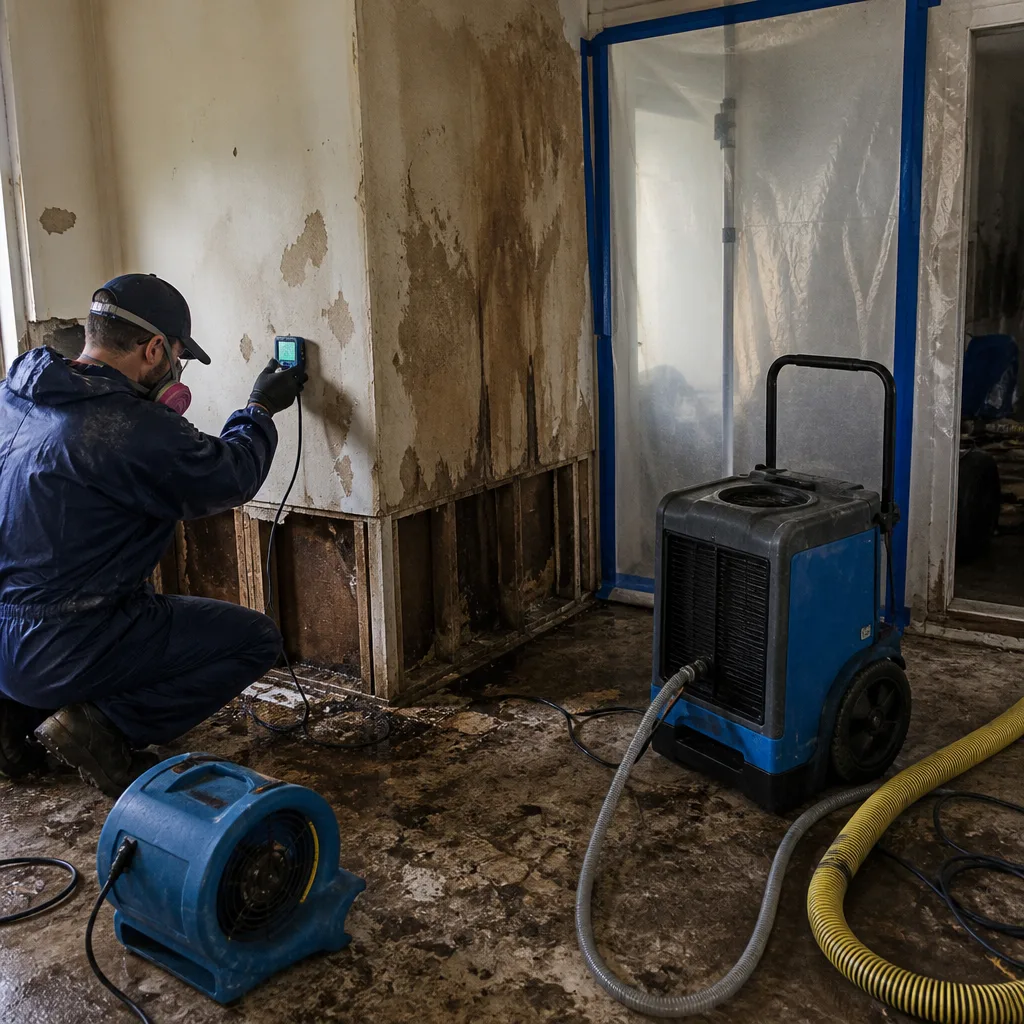 Before
 After
AfterSeasonal Damage Restoration Care for San Marcos: Year-Round Homeowner’s Guide
San Marcos received more than 9 inches of rain in a 72-hour period during the January 2024 atmospheric river event - a total that exceeded the city’s entire prior-year rainfall and overwhelmed drainage on properties that hadn’t been prepped since the last wet year in 2019. The homes that fared best weren’t the ones with the newest roofs; they were the ones whose owners had treated the calendar as two distinct high-risk windows separated by preparation periods, not as four equal seasons. In this guide, we’ll map San Marcos’s actual climate pattern - Santa Ana fire and wind season in fall, atmospheric river events in winter, and the long dry season that hides mold and irrigation risks - and give you a month-by-month action calendar with documentation protocols that protect your insurance claim if damage still occurs. For the complete guide to damage restoration in San Marcos, see our companion resource.
Quick Answer
San Marcos homeowners should prepare for two high-risk damage windows each year: Santa Ana wind and fire conditions from October through December, followed by atmospheric river rain events from December through March. The most effective seasonal care combines physical maintenance - roof inspections before Santa Ana season, gutter clearing before the first atmospheric river, and irrigation system winterization tied to San Marcos water district schedules - with documented evidence of that maintenance stored in a claim-ready folder. Our Water Damage Restoration Maintenance Checklist for San Marcos Homeowners covers each task in detail. This documentation, including dated photos and contractor receipts, often determines whether an insurer pays a water or fire damage claim in full or denies it for lack of maintenance records.
Table of Contents
- San Marcos’s Real Seasonal Pattern: Two Risks, Two Prep Windows
- October-December: Santa Ana Wind and Fire Season Preparation
- December-March: Atmospheric River and Winter Rain Defense
- April-September: Dry Season Mold Dormancy and Irrigation Management
- Month-by-Month Action Calendar for San Marcos Homes
- Building Your Claim-Ready Documentation Folder
- Roof and Gutter Specifications for San Marcos’s Clay Tile Prevalence
- Irrigation Winterization and Restart Protocols
- Post-Santa Ana Inspection Checklist: Before Water Follows Wind
- Common Mistakes to Avoid
- When to Call a Professional
- Frequently Asked Questions
- The Bottom Line
BeforeAfterSan Marcos’s Real Seasonal Pattern: Two Risks, Two Prep Windows
Most seasonal home maintenance guides divide the year into four equal quarters. That model fails in San Marcos. Our city’s Mediterranean climate, modified by proximity to the Pacific and the elevation gradient from the San Marcos valley floor to the Elfin Forest hills above 1,200 feet, creates a pattern of concentrated risk separated by long preparation windows.
The first high-risk window opens in October with Santa Ana wind events. These dry, hot winds from the east and northeast - technically katabatic winds descending from the Great Basin - regularly reach sustained speeds of 25-35 mph with gusts above 50 mph in San Marcos. The National Weather Service issues Red Flag Warnings for our area when relative humidity drops below 15% and winds exceed 25 mph. In October 2019, the Saddleridge Fire complex burned 8,800 acres and demonstrated how Santa Ana conditions turn a small ignition into a structure-threatening event within hours. Wind damage to roofing, siding, and ventilation systems during these events creates the entry points for water damage that arrives weeks later.
The second high-risk window runs from December through March, when atmospheric river events - narrow corridors of concentrated water vapor in the atmosphere - deliver San Marcos’s annual rainfall in concentrated bursts. The January 2024 event, which dropped over 9 inches in 72 hours, was not an outlier in type, only in magnitude. Similar events occurred in January 2017, February 2019, and December 2021. The city’s average annual rainfall of approximately 14 inches can arrive in three or four events, each capable of overwhelming drainage systems and finding any vulnerability in roof or envelope integrity.
Between these windows, April through September offers what we call the documentation season: time to repair, photograph, and file evidence of maintenance before the next risk cycle begins. The dry season also creates its own restoration risk - mold dormancy in wall cavities, irrigation line damage from summer heat cycling, and the false security that dry conditions eliminate water damage risk entirely.
October-December: Santa Ana Wind and Fire Season Preparation
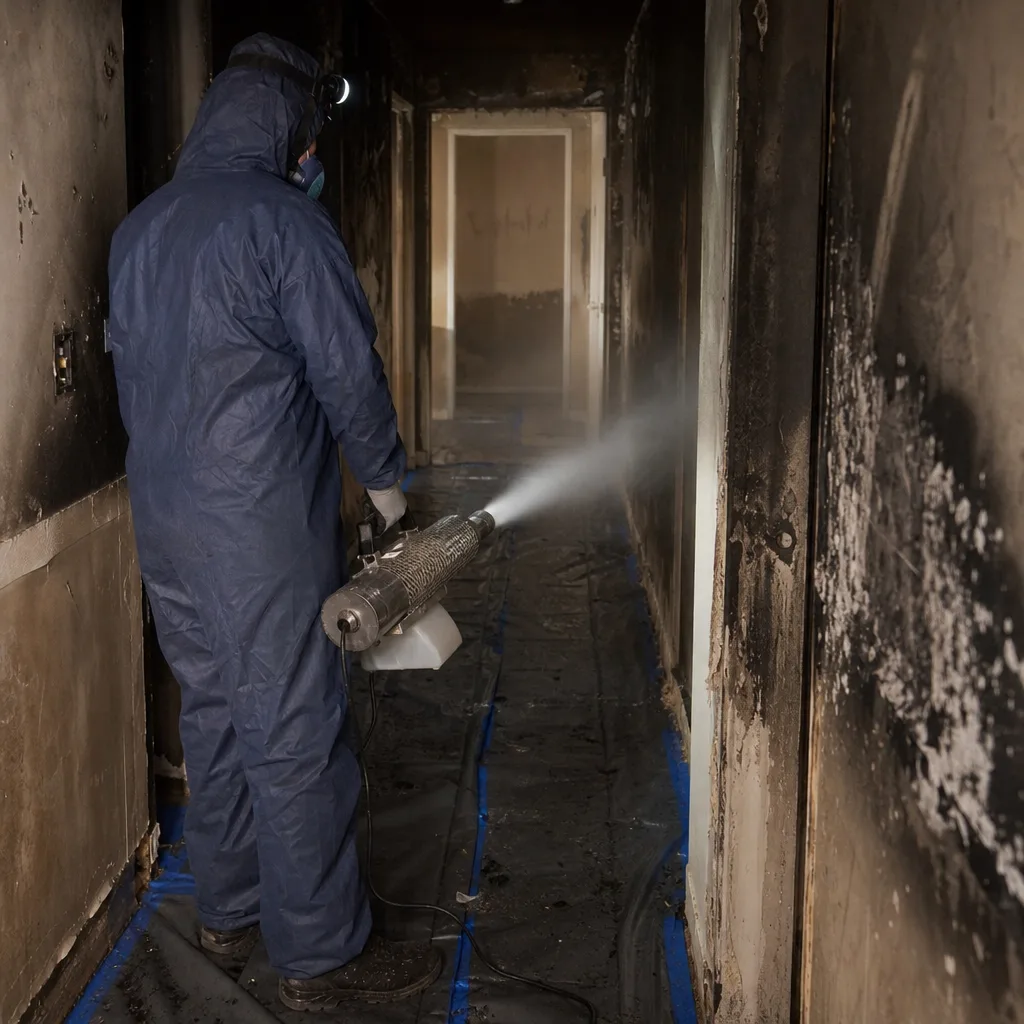
Santa Ana preparation in San Marcos requires specific attention to wind-driven ember intrusion and the mechanical damage that precedes winter water infiltration. The California Building Code’s Chapter 7A, adopted in San Marcos and throughout San Diego County, establishes Wildland-Urban Interface (WUI) standards for properties in designated fire hazard severity zones. Even homes outside formal WUI boundaries benefit from compliant practices.
Roof and exterior inspection priorities:
- Verify all vent screens are 1/8-inch metal mesh or finer - embers enter through attic vents and ignite accumulated dust and insulation
- Check tile roof mortar joints for cracking; Santa Ana winds lift and fracture degraded mortar, creating gaps that winter rain exploits
- Inspect metal flashing at valleys, chimneys, and wall intersections for lift or separation - measurable indicator: any clearance greater than 1/8 inch between flashing and substrate
- Document all conditions with dated photos, including close-ups with a ruler or coin for scale reference
Defensible space documentation:
San Marcos Fire Department requires 100 feet of defensible space in State Responsibility Areas and recommends it citywide. The documentation that matters for insurance purposes is not the space itself but the evidence of its creation: dated photos of vegetation clearance, receipts for professional tree trimming, and contractor invoices for brush removal. Store these with your property insurance file, not in a phone that may be lost or damaged.
We regularly inspect San Marcos properties where Santa Ana wind damage to roofing was visible in October but unreported until January water stains appeared on ceilings. The delay often complicates insurance claims, as carriers may argue the water damage resulted from maintenance neglect rather than a covered peril. Water damage restoration in San Marcos becomes significantly more complex - and costly - when wind damage has preceded it by weeks or months.
December-March: Atmospheric River and Winter Rain Defense
Atmospheric river events in San Marcos follow a predictable damage pattern: concentrated rainfall overwhelms gutter and drainage capacity, wind-driven rain finds envelope vulnerabilities at mortar joints and flashing gaps, and saturated soils create hydrostatic pressure against foundation walls and slab edges. The homes that sustain the least damage share three preparation characteristics.
Gutter and drainage capacity verification:
Standard residential gutters in San Marcos are sized for steady rainfall, not atmospheric river intensity. A 5-inch K-style gutter on a 2,000-square-foot roof area can handle approximately 5,500 square feet of drainage at standard slope. During an atmospheric river with rainfall rates exceeding 1 inch per hour, that capacity is exceeded. We recommend:
- Verify downspout capacity: each 2×3-inch rectangular downspout drains approximately 600 square feet of roof; 3×4-inch downspouts drain approximately 1,200 square feet. Calculate your roof area and match downspout capacity accordingly.
- Install splash blocks or underground extensions that discharge at least 6 feet from foundation walls - measure this distance, don’t estimate.
- Clear all roof drains, scuppers, and valley channels before December 1; atmospheric rivers arrive with little warning and contractors will be unavailable once warnings issue.
Foundation and slab edge inspection:
San Marcos’s variable soils - expansive clays in the valley, decomposed granite on hillsides - react differently to saturation. After the 2019 and 2024 wet years, we documented foundation moisture intrusion in homes where grade had settled to create negative slope toward the structure. The repair is simple: regrade to achieve 6 inches of fall in the first 10 feet from the foundation. Document the grade with photos and, if contracted, a landscape contractor’s invoice.
Interior moisture monitoring:
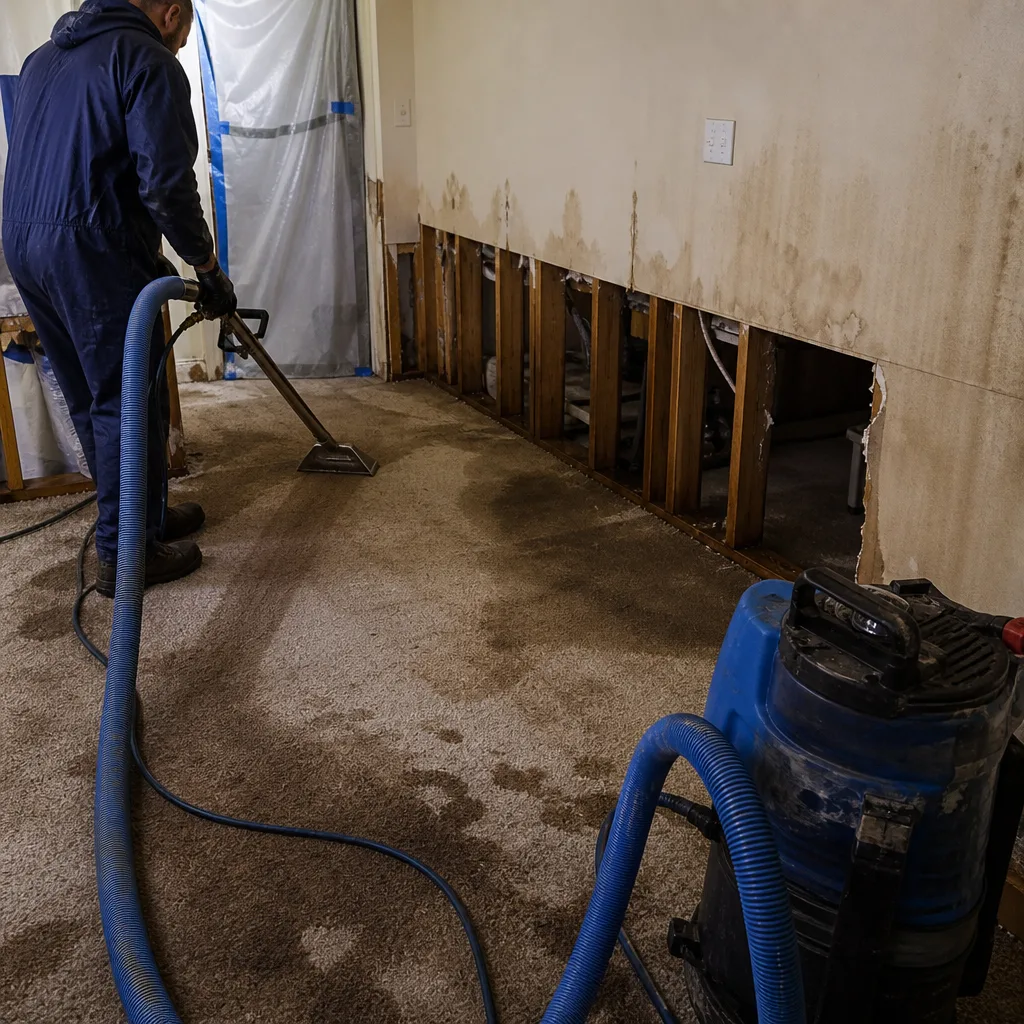
During extended rain events, check normally dry areas: closets on exterior walls, garage corners, and rooms below roof valleys. A moisture meter reading above 16% in wood framing or 1% in drywall indicates active water intrusion requiring professional assessment. We document all readings to IICRC S500 standards, producing the psychrometric data - temperature, relative humidity, and vapor pressure differential - that insurers require to distinguish sudden water damage from long-term maintenance neglect.
April-September: Dry Season Mold Dormancy and Irrigation Management
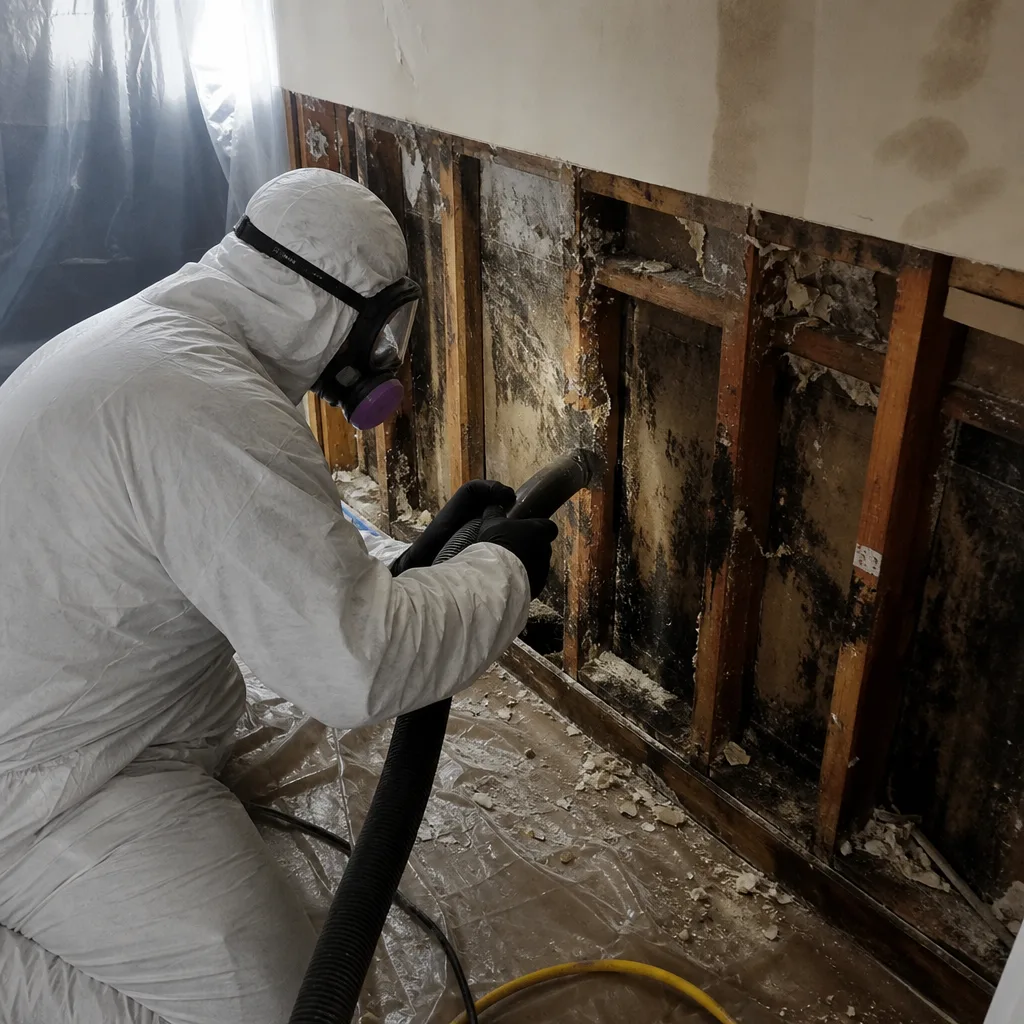
The long San Marcos dry season creates a false security. Relative humidity regularly drops below 40% from May through October, and visible mold growth slows or stops. But mold in wall cavities, beneath flooring, or in HVAC systems does not die; it enters dormancy, waiting for moisture that arrives with winter rain or irrigation leaks.
Dry-season mold assessment protocol:
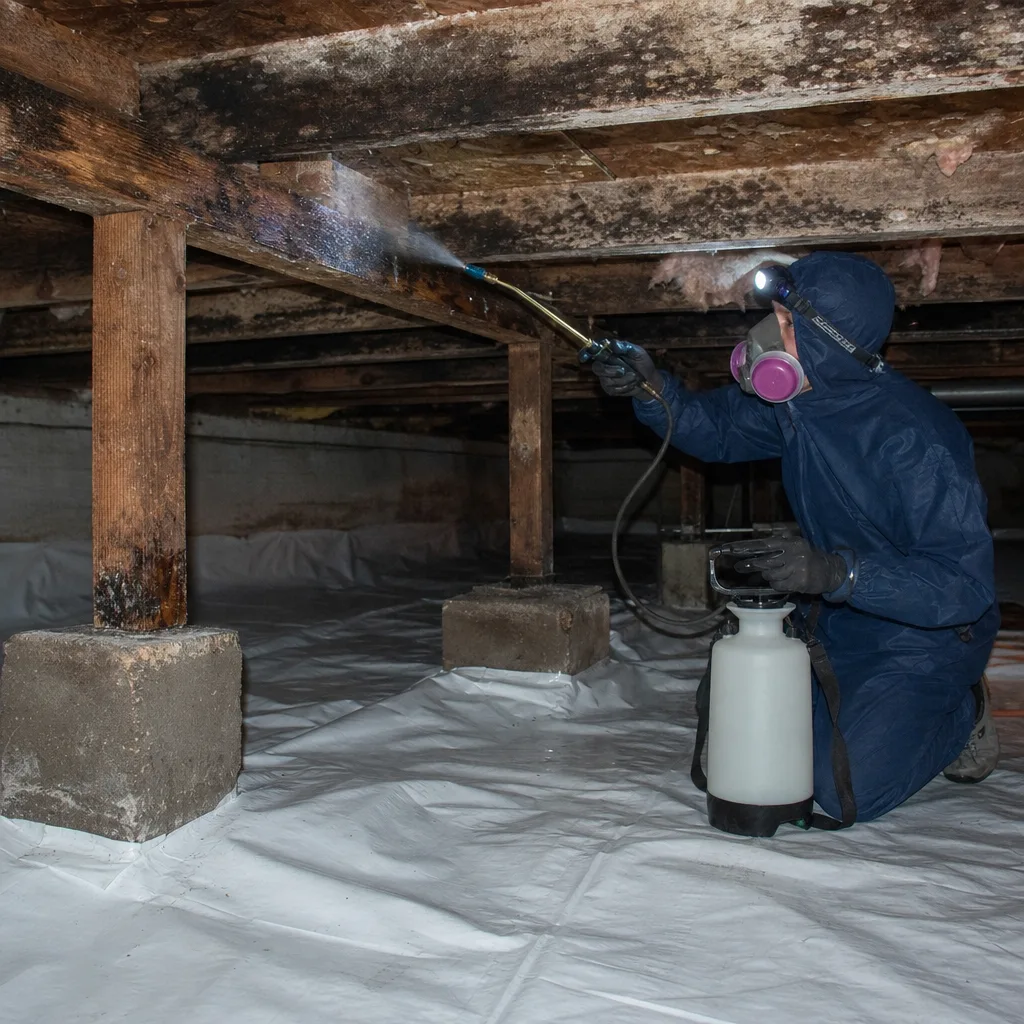
April and May are the optimal months for professional mold inspection in San Marcos. Mold remediation completed during dry conditions produces more reliable results: containment is easier to maintain, dehumidification targets are achievable without fighting outdoor humidity, and post-remediation verification testing reflects actual conditions rather than seasonal suppression.
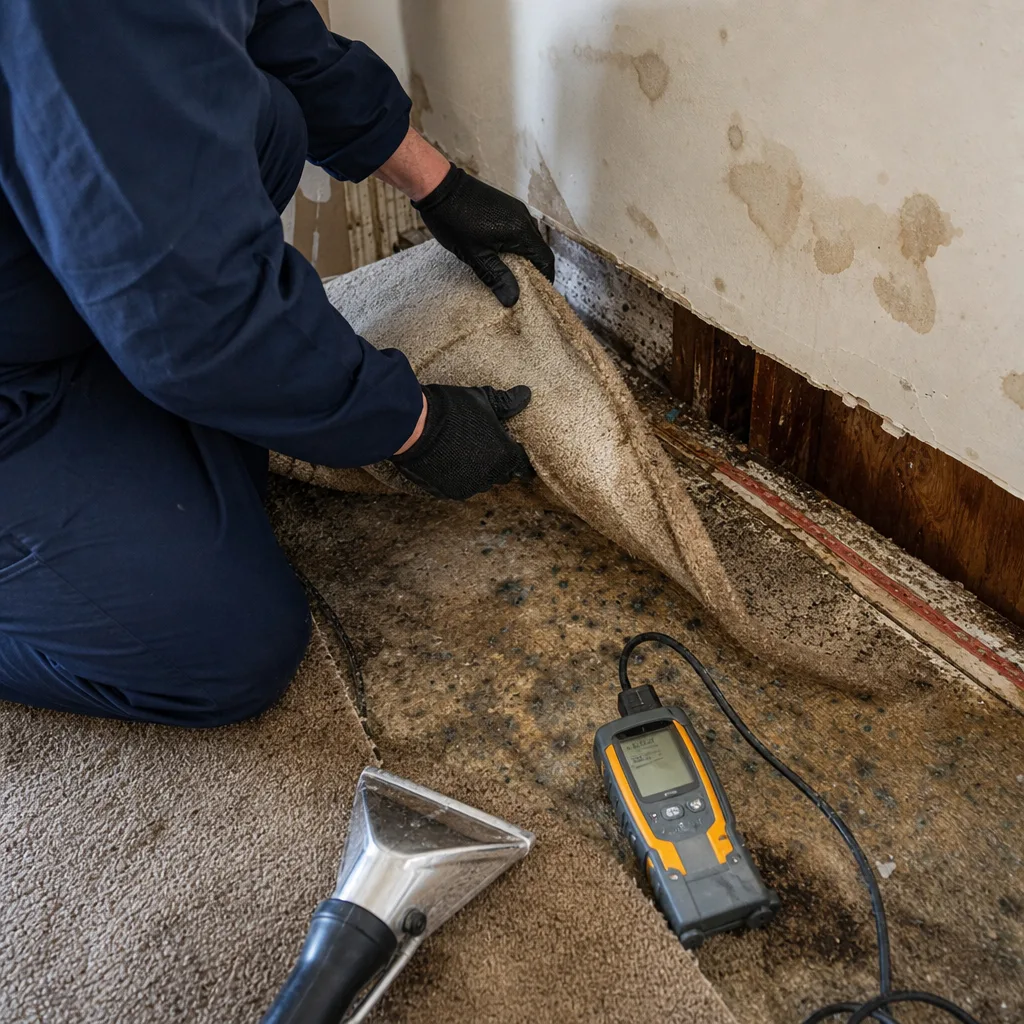
We recommend homeowners request moisture mapping of all exterior walls, particularly north-facing elevations and rooms below bathrooms and kitchens. Our technicians use thermal imaging to identify temperature differentials that indicate moisture, then confirm with pin-type moisture meters. Any reading above 16% in structural wood triggers further investigation, even without visible mold.
Irrigation system management:
San Marcos’s water district implements seasonal watering restrictions that typically limit irrigation to three days weekly from June through September. The restart of irrigation systems in April - after winter shutdown - is a high-leak-risk period. We document the following protocol for properties we monitor:
- Pressure-test the main line at static pressure before activating zone valves; pressure drop exceeding 5 PSI in 10 minutes indicates a sub-surface leak.
- Operate each zone individually, inspecting heads for proper arc, spray pattern, and drainage away from structures.
- Verify controller programming against current water district schedules; violations carry fines and do not excuse water damage to structures.
- Photograph all head positions and spray patterns; shifted heads from soil settlement or root intrusion direct water against foundations.
Properties above 1,200 feet elevation in the Elfin Forest corridor face additional freeze risk. While San Marcos rarely experiences hard freeze, elevations above 1,200 feet recorded temperatures in the mid-20s during December 2022 and January 2024 atmospheric river events. Above-ground backflow preventers and exposed irrigation lines require insulation or drainage for these elevations.
Month-by-Month Action Calendar for San Marcos Homes
This calendar reflects San Marcos’s actual climate pattern, not a generic four-season model. Tasks are sequenced to complete preparation before each risk window opens.
September: Pre-Santa Ana Preparation
- Schedule professional roof inspection with specific attention to tile mortar joints and flashing integrity
- Clear all gutters and downspouts; verify drainage discharge distance from foundation
- Inspect and photograph all vent screens; replace any damaged or missing
- Complete defensible space vegetation clearance; retain contractor invoice and before/after photos
October: Santa Ana Season Active
- Monitor Red Flag Warnings; verify emergency supply kit and evacuation plan
- Post-event: conduct roof and exterior inspection within 48 hours of wind event conclusion
- Document any lifted flashing, cracked vent boots, or displaced tiles with dated photos
November: Transition Preparation
- Repair all wind damage documented in October; do not defer to “after the holidays”
- Schedule gutter cleaning if October winds deposited debris
- Inspect attic for ember intrusion evidence: scorched insulation, soot marks near vents
December: Atmospheric River Season Opens
- Verify all October-November repairs before first major rain event
- Test sump pumps if installed; check battery backup function
- Inspect foundation grade and drainage; regrade if settlement has reversed slope
January-February: Peak Rain Risk
- Monitor interior moisture during extended rain events; record meter readings
- Clear storm drains and catch basins if accessible; report public drain blockages to city
- Document any water intrusion immediately with photos and moisture readings
March: Season Transition Assessment
- Schedule professional inspection of any moisture intrusion documented during winter
- Begin mold remediation if indicated; dry-season conditions favor reliable results
- Plan irrigation system restart for April
April: Irrigation Restart and Mold Inspection
- Execute irrigation pressure test and zone-by-zone inspection protocol
- Schedule professional mold inspection for any history of moisture intrusion
- Begin claim-ready documentation folder assembly for the year
May-August: Maintenance and Documentation Season
- Complete all deferred repairs from winter damage assessment
- Monitor irrigation system weekly for head displacement or pattern changes
- Photograph and file all maintenance activities with dates and descriptions
Building Your Claim-Ready Documentation Folder
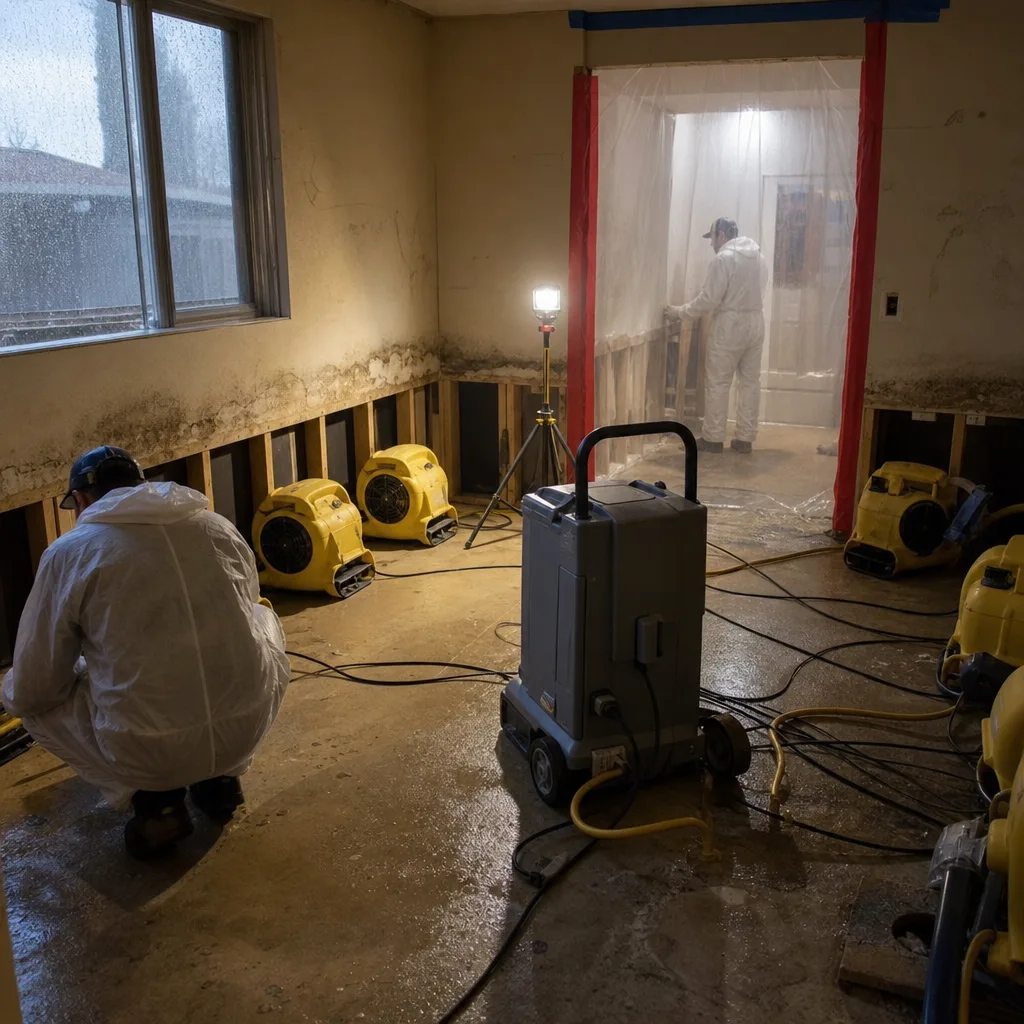
The documentation gap is the single largest cause of partial or denied insurance claims in San Marcos water and fire damage cases. Our founder, a former claims adjuster, built Back to Dry around this specific problem. The folder you maintain - physical or digital, but backed up to cloud storage - should contain evidence that demonstrates proactive maintenance and establishes pre-loss condition.
Required contents:
- Annual roof inspection reports with contractor license number, date, and findings; include photos of any noted conditions and repair invoices
- Gutter cleaning receipts with service date; if self-performed, dated photos of cleared gutters and downspout discharge
- Defensible space documentation including vegetation clearance photos with date stamps, contractor invoices, and any city or fire district inspection certificates
- Irrigation maintenance records including pressure test results, zone inspection photos, and controller programming screenshots
- Mold inspection and remediation records with laboratory results, scope of work, and post-remediation verification
- Moisture intrusion response records including your own documentation and any professional assessment with moisture readings
Store this folder in a format accessible after a loss event. A phone with photos is not sufficient; phones fail, are lost, or are damaged in the same events that damage homes. We recommend cloud backup with offline redundancy: a physical folder in a fire-resistant container, plus digital storage in at least two cloud services.
When DryMark Restoration San Marcos responds to a water or fire damage call, our first documentation step is photographing the loss scene in its initial condition. If the homeowner can produce maintenance records demonstrating proactive care, we include those in our initial report to the insurer. This documentation, combined with our own moisture logs and drying records produced on Dri-Eaz and Phoenix equipment, creates the evidence chain that turns restoration invoices into payable claims.
Roof and Gutter Specifications for San Marcos’s Clay Tile Prevalence
San Marcos’s housing stock includes significant clay and concrete tile roofing, particularly in developments from the 1980s through 2000s. Tile roofs perform differently under Santa Ana wind and atmospheric river conditions than asphalt shingle systems, and the maintenance specifications differ accordingly.
Tile roof vulnerability points:
Water infiltration in tile roofs rarely occurs through the tile itself. The water path is at mortar joints, where ridge and hip tiles meet; at flashing transitions, where vertical walls or chimneys intersect the roof plane; and at underlayment failures beneath displaced tiles. Santa Ana winds lift tiles at edges and ridges, cracking mortar and exposing underlayment to UV degradation. When atmospheric river rain arrives, wind-driven water enters at these points with pressure that overwhelms standard underlayment.
The critical inspection points:
- Ridge and hip mortar joints: Tap with a non-marring tool; sound mortar produces a sharp ring, degraded mortar a dull thud. Any mortar that crumbles or separates from tile requires repointing before winter.
- Flashing clearance and seal: Metal flashing should maintain continuous contact with both tile and substrate; any gap exceeding 1/8 inch requires repair. Sealant at flashing terminations should be pliable, not cracked or separated.
- Tile displacement pattern: Santa Ana winds typically displace tiles at ridges, hips, and eaves first. Any pattern of displacement following wind direction indicates systematic vulnerability, not isolated damage.
- Underlayment condition at accessible points: In attic spaces, inspect underlayment visible at eaves and penetrations for UV degradation (chalking, cracking) or moisture staining.
Gutter capacity for tile roof runoff:
Tile roofs produce concentrated runoff at tile edges, particularly at valleys and around dormers. Standard gutter sizing assumes distributed runoff; tile roof configurations often require additional downspout capacity. For a San Marcos home with clay tile roofing, we recommend calculating gutter capacity at 1.5 times the standard formula to account for concentration effects, or adding one additional downspout for every 40 feet of gutter run.
Irrigation Winterization and Restart Protocols
San Marcos’s irrigation management differs from inland California markets due to mild winter temperatures and the Vallecitos Water District’s seasonal scheduling. Most residential systems do not require full winterization with compressed air blowout, but properties above 1,200 feet elevation and those with above-ground components need specific protocols.
Winterization protocol (November-December):
- Shut off water supply at the main isolation valve; drain any above-ground backflow preventer according to manufacturer specifications
- Insulate above-ground components with rated insulation sleeves, not improvised wrapping
- Program controller to minimal or rain-sensor-only operation; Vallecitos Water District typically suspends outdoor watering restrictions during declared drought stages, but seasonal schedules still apply
- Document valve positions and insulation with dated photos
Restart protocol (March-April):
- Inspect all visible components for freeze damage: cracked valve bodies, split risers, separated fittings
- Pressure-test main line at static pressure; record initial pressure and 10-minute reading
- Activate zones individually; verify proper head operation, arc, and spray pattern
- Adjust programming to current water district schedule; screenshot final settings
- Photograph all head positions and document any adjustments made
Properties in the Elfin Forest corridor and other elevations above 1,200 feet should consider full compressed-air blowout winterization. The cost of professional blowout - typically $75-$150 for residential systems in San Marcos - is recovered in avoided freeze damage. We have documented slab-edge moisture intrusion from irrigation line leaks that originated from freeze-split fittings in these elevations, with repair costs exceeding $3,000 for water damage restoration alone.
Post-Santa Ana Inspection Checklist: Before Water Follows Wind
Wind damage creates water damage entry points that may not leak until rain arrives. The interval between Santa Ana season and atmospheric river season - often just weeks in December - is the critical inspection window. Use this checklist within 48 hours of any significant wind event.
Roof inspection (ground-level and attic access):
- Visually scan roof from ground with binoculars; note any displaced, cracked, or missing tiles
- Check ridge and hip lines for mortar debris on roof surface or ground - indicates mortar joint failure
- From attic, inspect underlayment at eaves and penetrations for new light penetration or moisture staining
- Document all findings with dated photos; mark photo locations on a simple roof diagram
Flashing and penetration inspection:
- Measure flashing clearance at all chimney, vent, and wall intersections; record any gap exceeding 1/8 inch
- Inspect vent boots for cracking, separation, or displacement from wind uplift
- Verify all vent caps and rain hoods are secure; missing caps admit direct water
- Check satellite dish and solar panel mounting penetrations for seal integrity
Exterior envelope inspection:
- Walk perimeter; note any siding separation, trim displacement, or sealant failure
- Check window and door weatherstripping for wind damage or displacement
- Inspect garage door seal and track alignment; wind pressure distorts tracks and breaks seals
- Verify all exterior electrical and hose bib penetrations are sealed
Documentation standard:
Each checklist item should produce either a clear photo or a written note of “no defect observed.” This documentation serves two purposes: it guides repair prioritization before rain arrives, and it demonstrates to insurers that the property was maintained and inspected, not neglected. In our experience with San Marcos claims, the presence of documented post-event inspection often determines whether a carrier classifies subsequent water damage as “sudden and accidental” (covered) or “gradual deterioration” (excluded).
Common Mistakes to Avoid
- Deferring Santa Ana damage repairs to “after the holidays.” The atmospheric river season typically opens in December, overlapping with Santa Ana season. Wind damage left unaddressed in November becomes the entry point for January water damage, and insurers may deny the water claim as resulting from maintenance neglect.
- Cleaning gutters without verifying downspout discharge. Clear gutters that drain against foundation walls concentrate rather than eliminate water damage risk. Measure discharge distance; it should be 6 feet minimum.
- Assuming dry-season mold absence means mold absence. San Marcos’s dry season suppresses visible mold growth but does not eliminate colonization. April mold inspections reveal problems that July conditions hide.
- Storing maintenance documentation only on a phone. Phones are lost, damaged, or replaced without complete data transfer. Cloud backup with offline redundancy is essential for claim-ready documentation.
- Ignoring elevation-specific freeze risk. Properties above 1,200 feet in the Elfin Forest corridor experienced hard freeze conditions in 2022 and 2024. Standard San Marcos irrigation practices fail at these elevations.
- Using unlicensed contractors for seasonal maintenance. California requires a C-39 Roofing license for roof repairs exceeding $500 and a C-36 Plumbing license for irrigation work. Unlicensed work cannot be documented for insurance purposes and may void manufacturer warranties.
- Failing to photograph “no defect” conditions. Insurers sometimes claim pre-existing damage. Photos of intact conditions, dated and described, rebut this argument.
When to Call a Professional
Call for professional assessment when: moisture meter readings exceed 16% in structural wood or 1% in drywall; you observe water staining that expands during rain events; mold odor persists after visible cleaning; or your post-Santa Ana inspection reveals flashing gaps, displaced tiles, or mortar joint degradation you cannot address before forecast rain. DryMark Restoration San Marcos offers free estimates in San Marcos - call (858) 434-8474. Our response includes documented moisture mapping, a written scope and price before any work begins under Haven Standard, Clause 1, and photo records on every visit that integrate with your claim-ready documentation folder.
Frequently Asked Questions
Annual professional maintenance for a 2,000-square-foot San Marcos home typically ranges from $400-$800, covering roof inspection, gutter cleaning, and irrigation system service. Deferred maintenance that leads to water damage restoration averages $3,500-$8,500 for Category 1 water intrusion with limited structural involvement, and increases substantially if mold colonization has developed. See our Damage Restoration Cost Breakdown: The San Marcos Homeowner’s Reference for 2026 for detailed pricing scenarios. The documented maintenance investment protects both the structure and the insurance claim. Call (858) 434-8474 for a specific estimate - assessments are free.
Insurance coverage for water damage depends on demonstrating that the damage was “sudden and accidental” rather than resulting from “gradual deterioration” or maintenance neglect. In San Marcos, we see claims denied when insurers can show that roof leaks followed unrepaired wind damage, or foundation intrusion followed unregraded negative slope. Your claim-ready documentation folder - dated photos, contractor invoices, maintenance records - is your primary defense against denial. We provide documented moisture readings and cause-of-loss analysis with every assessment to support your coverage position.
Live person answers every call to (858) 434-8474, 24 hours a day, 7 days a week, with no voicemail trees. Emergency dispatch for active water intrusion - water still entering the structure or standing water present - occurs without waiting for business hours. Reconstruction and non-emergency services are scheduled with written scope and price under Haven Standard, Clause 1. Response time to San Marcos addresses averages under 90 minutes for emergency calls.
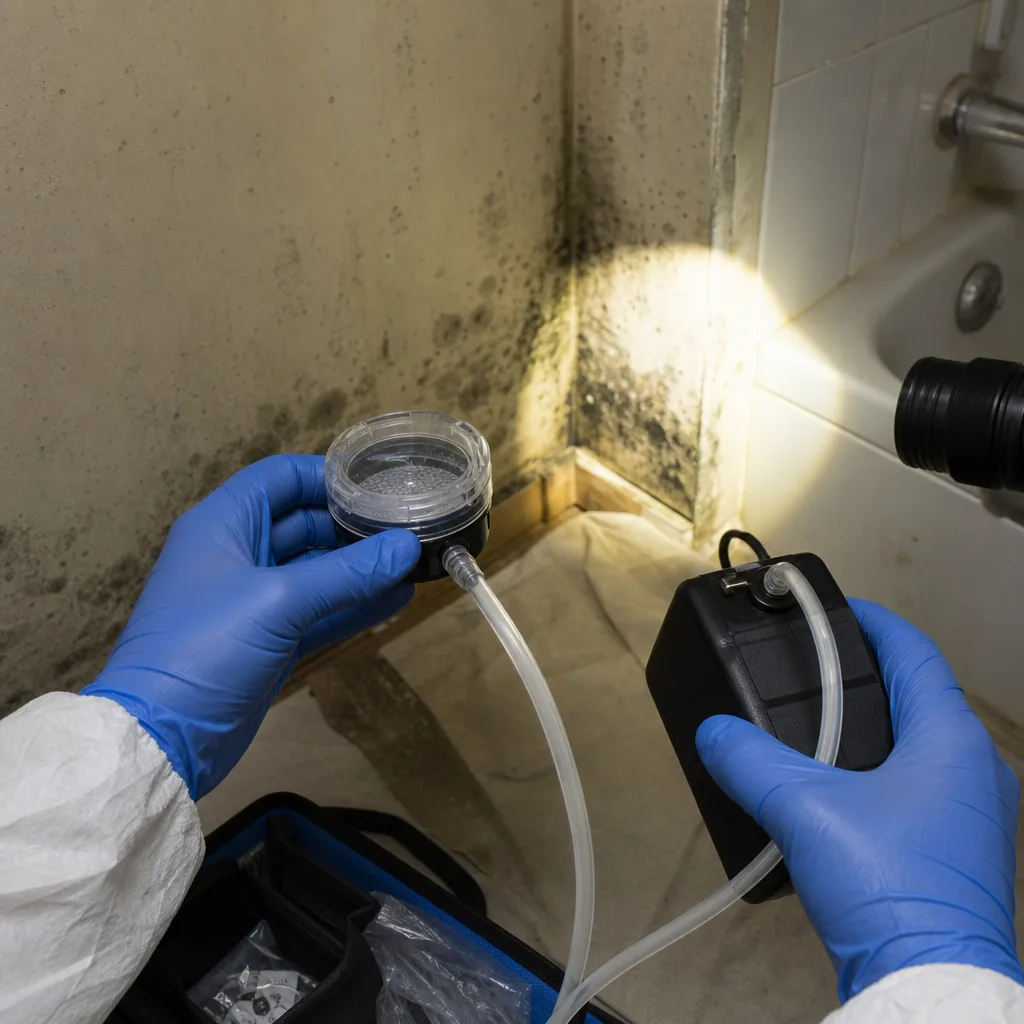
Surface mold on non-porous materials (tile, glass, sealed metal) can often be addressed with appropriate cleaning. Mold on porous materials (drywall, insulation, carpet, unfinished wood) or mold resulting from water damage requires professional assessment because colonization typically extends beyond visible growth. In San Marcos, we frequently find that apparent “surface mold” in closets or bathrooms indicates wall cavity colonization that developed during prior winter moisture intrusion. Professional inspection with moisture mapping and air sampling determines actual scope. Our Free Second Opinion on any competitor’s written estimate applies to mold remediation assessments.
Clay tile roofs shed water at the tile surface but rely on underlayment as the actual waterproofing layer. Water infiltration occurs at mortar joints, flashing transitions, and underlayment failures beneath displaced tiles - not through intact tile. Santa Ana winds specifically damage mortar joints and lift tiles at edges, creating vulnerabilities that asphalt shingle roofs don’t share. The maintenance protocol differs: annual mortar inspection and repointing, not shingle replacement, is the critical task.
Create a single claim-ready folder - physical and cloud-backed - containing dated photos of all maintenance activities, contractor invoices with license numbers, inspection reports, and your own notes. For each activity, record: date, what was done, who performed it (with license number if applicable), and what condition was found. Photo standard: include a date reference (newspaper, phone date display, or timestamped camera) and scale reference (ruler, coin) for any defect documentation. This folder, combined with our professional documentation on any loss, creates the evidence chain that supports full claim payment.
The Bottom Line
San Marcos’s climate demands a two-risk, two-prep maintenance calendar: Santa Ana wind and fire preparation from September through November, atmospheric river defense from December through March, and documentation-focused maintenance from April through September. The homeowners who fare best are not those with the newest materials but those with the best records - dated photos, contractor invoices, and moisture readings that prove proactive maintenance when an insurer asks. Build your claim-ready folder now, before the next risk window opens. For professional assessment, documented moisture mapping, or a Free Second Opinion on any competitor’s estimate, contact DryMark Restoration San Marcos. Browse more guides & resources on protecting your home.
Written by Alicia Brennan, Owner at DryMark Restoration San Marcos, serving San Marcos since 2011.