
Last updated September 23, 2026
Free visual inspection and a written scope of work before any mitigation begins - photos, moisture readings, and drying logs go in your claim file
The scope we write is the scope we bill. Anything new gets shown to you, in writing, before we touch it.
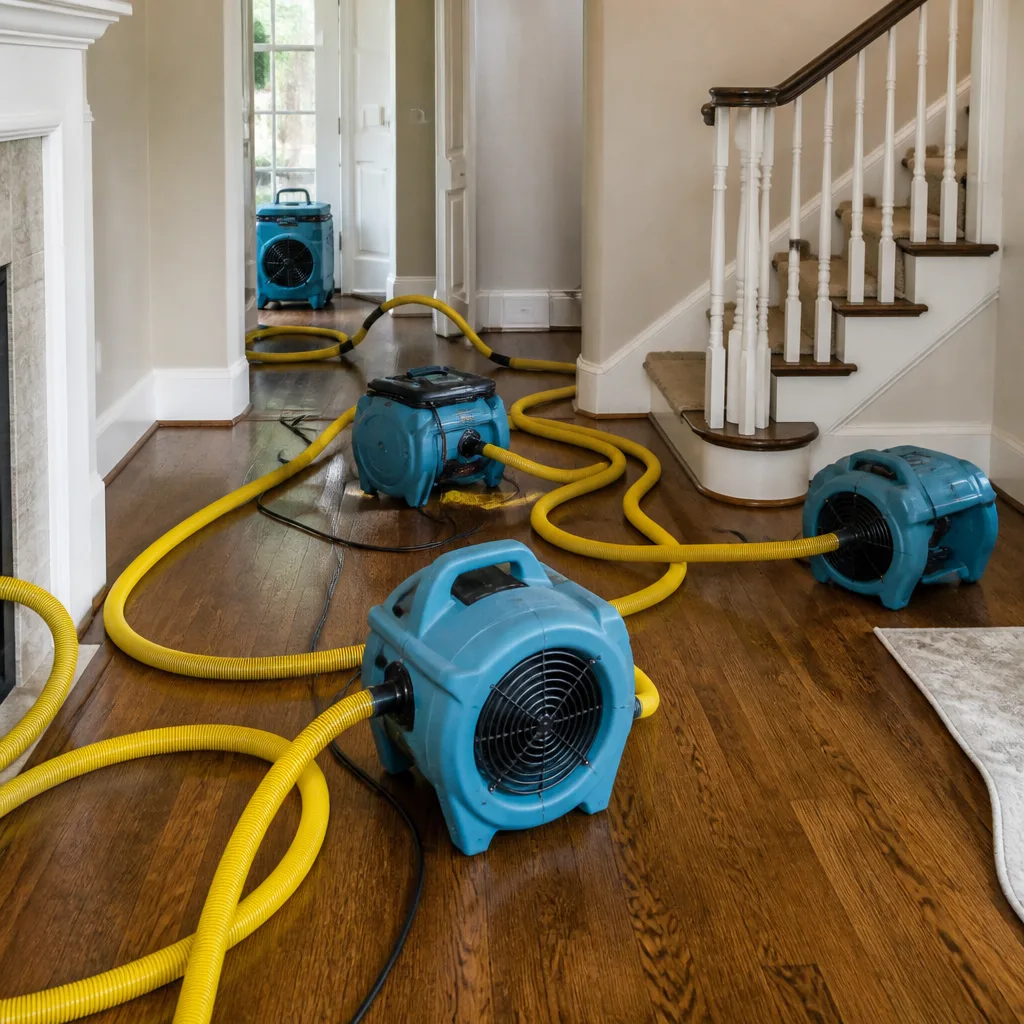
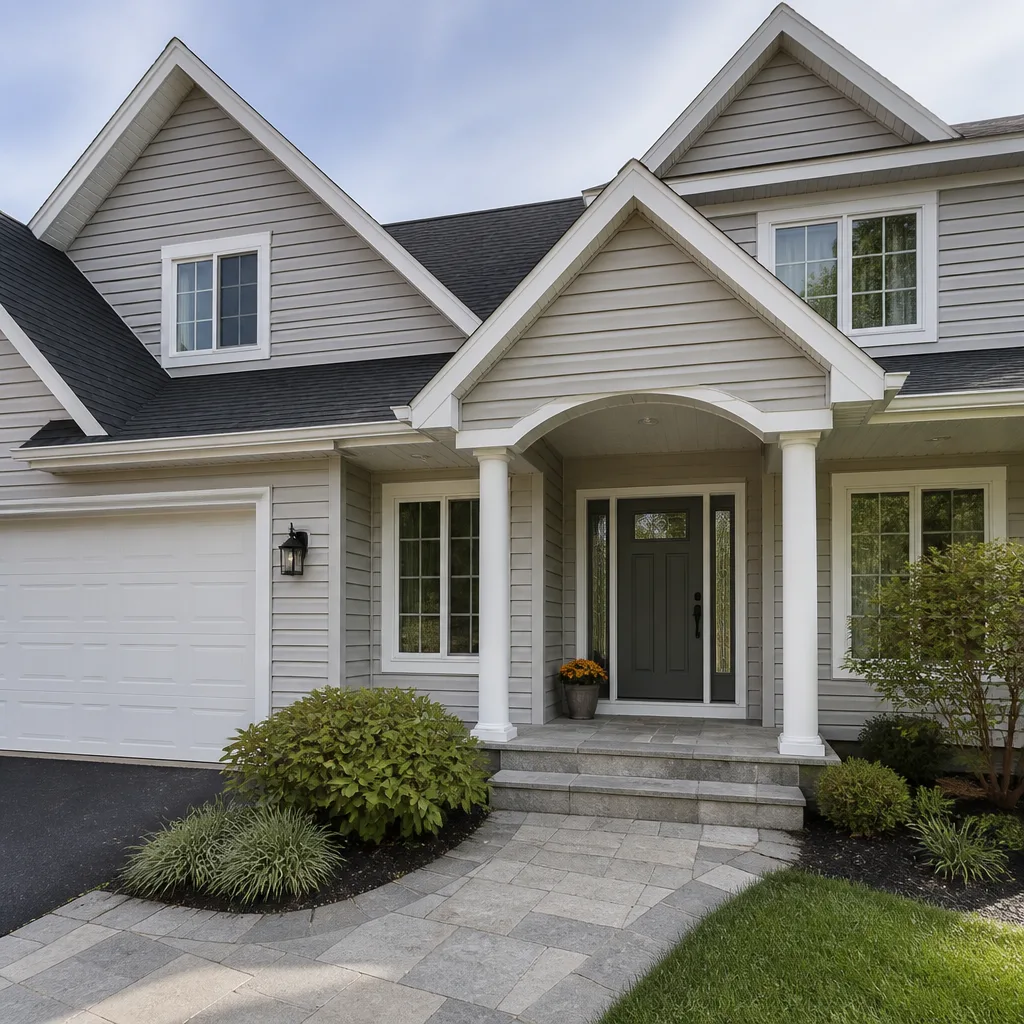
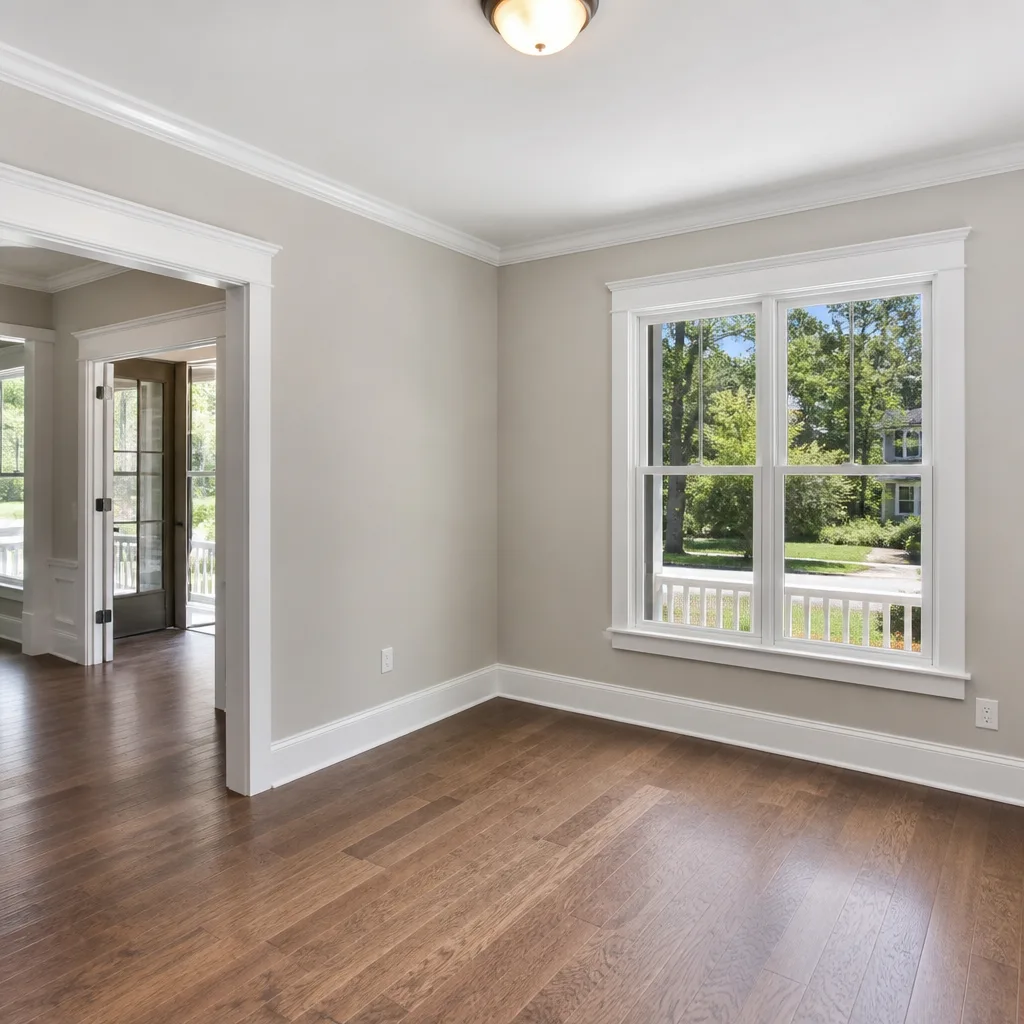

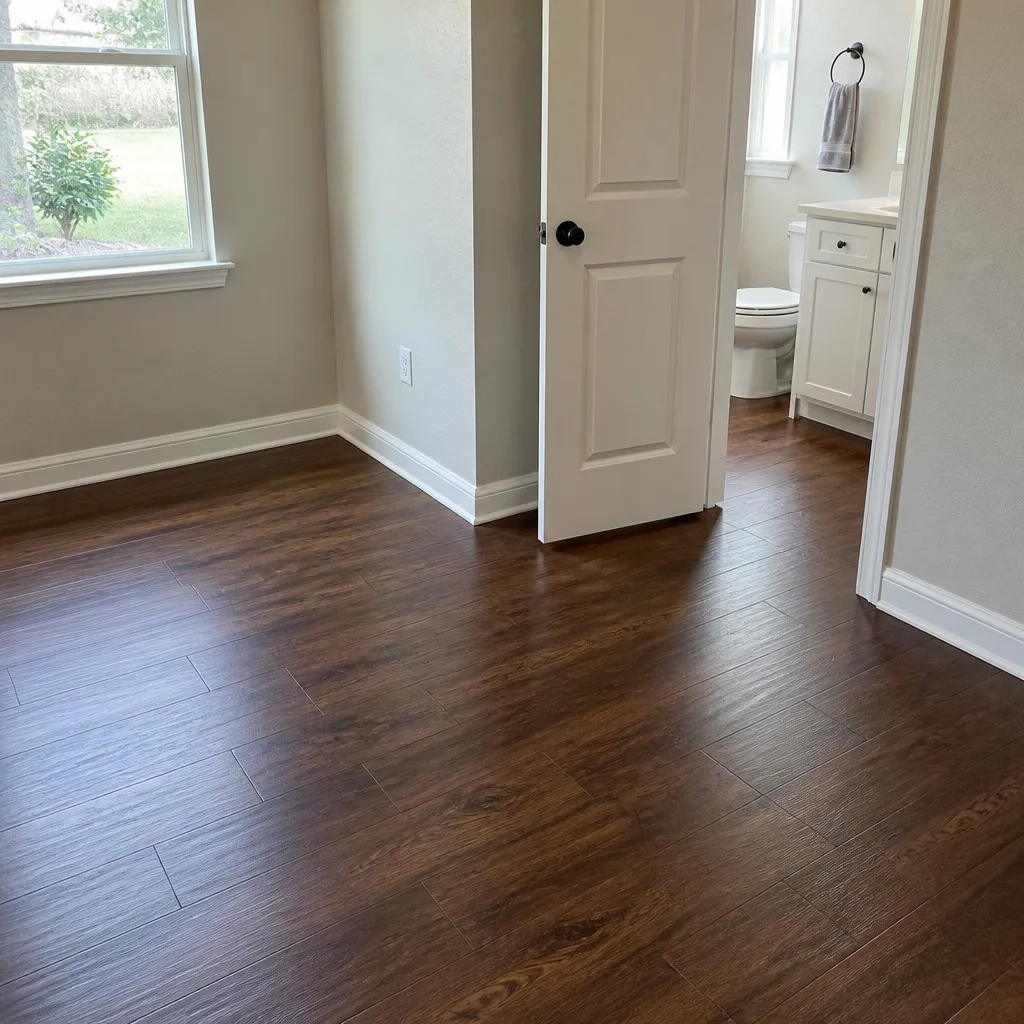

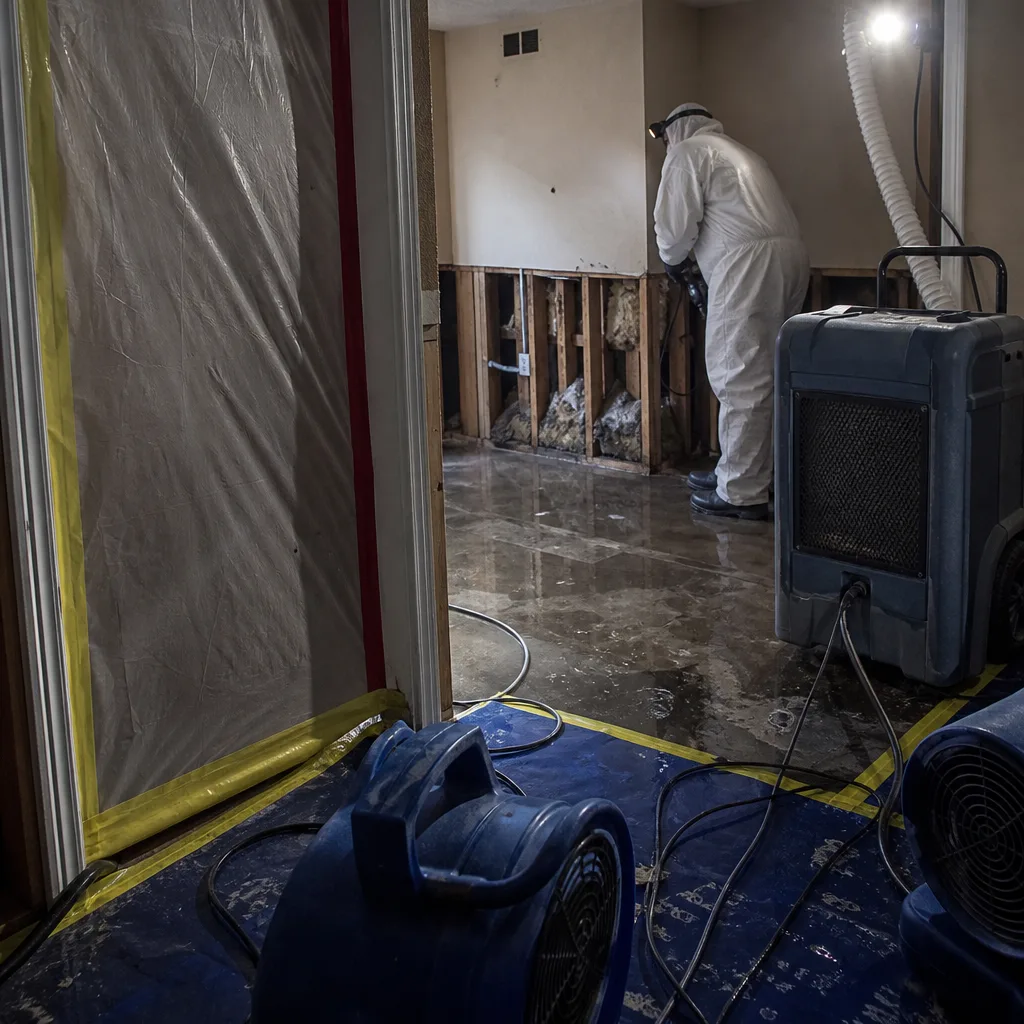 Before
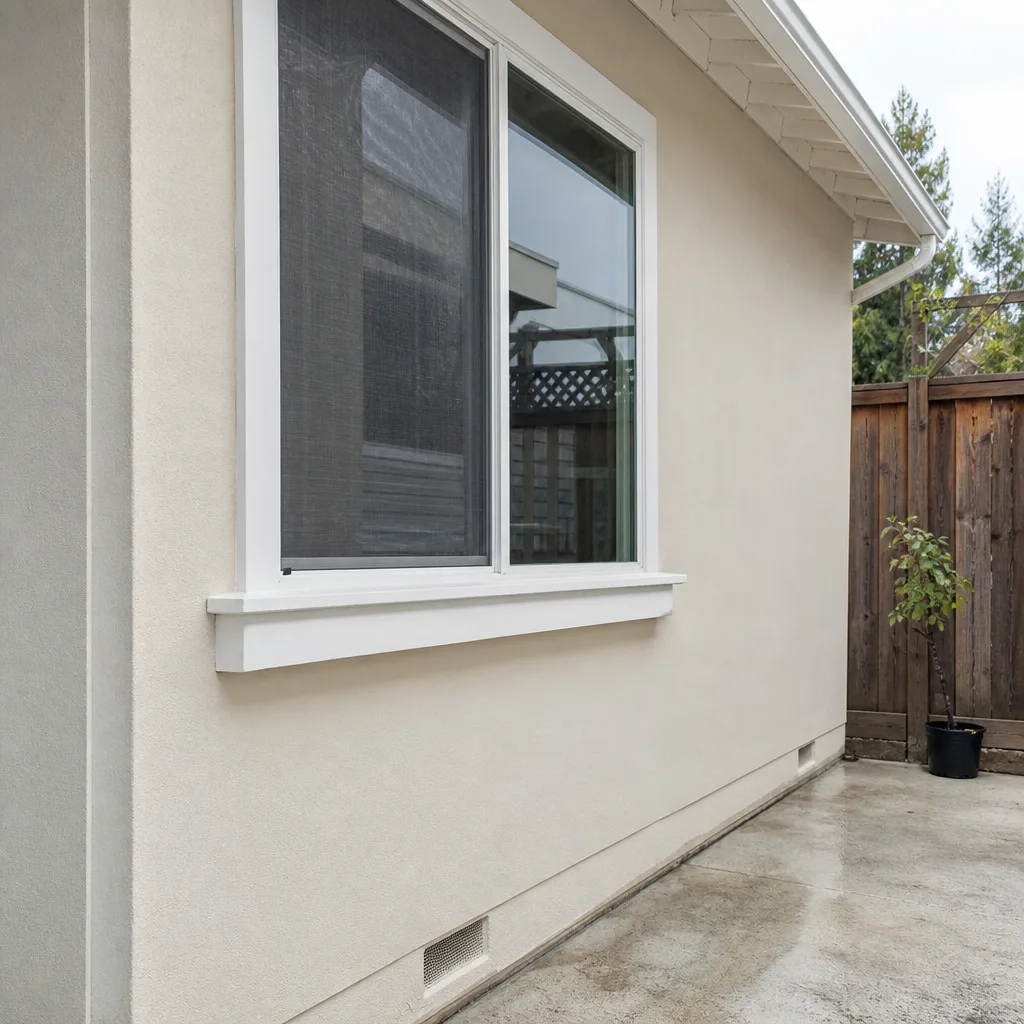 After
After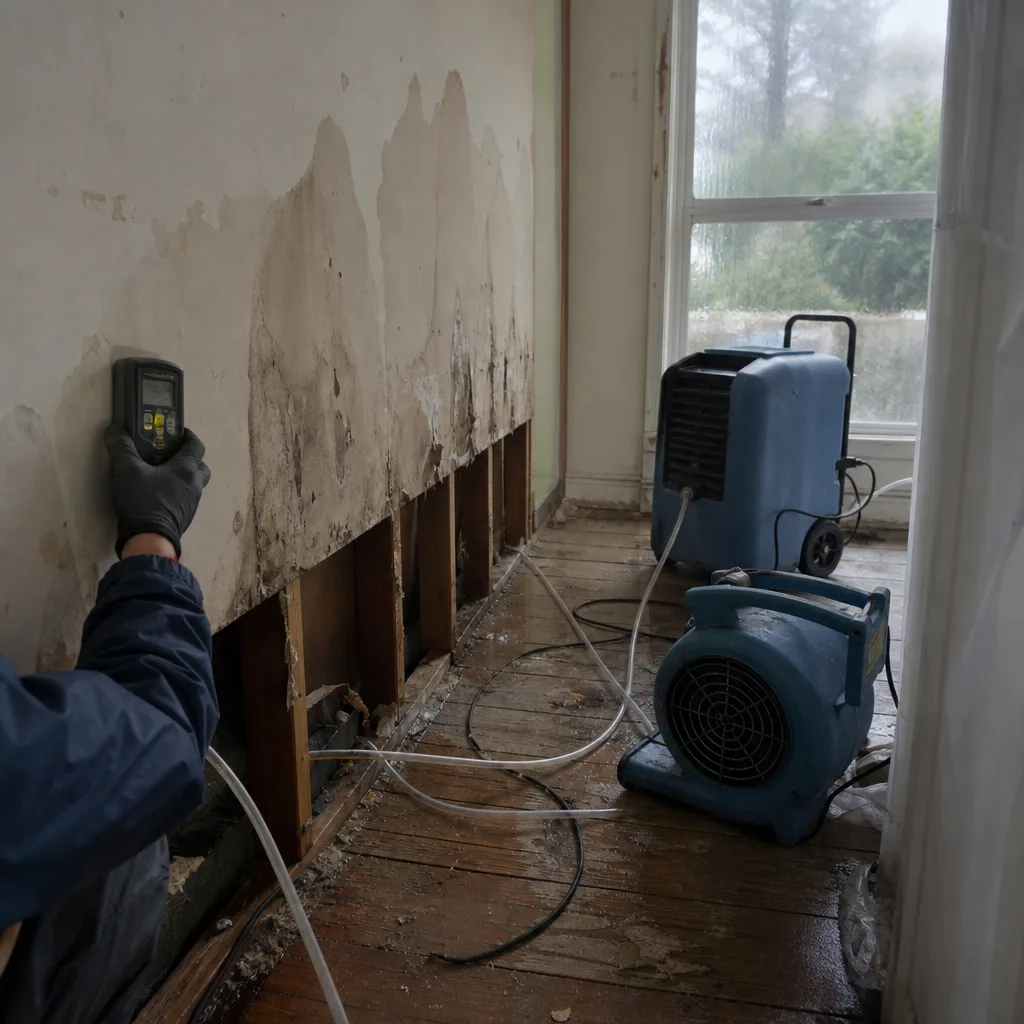 Before
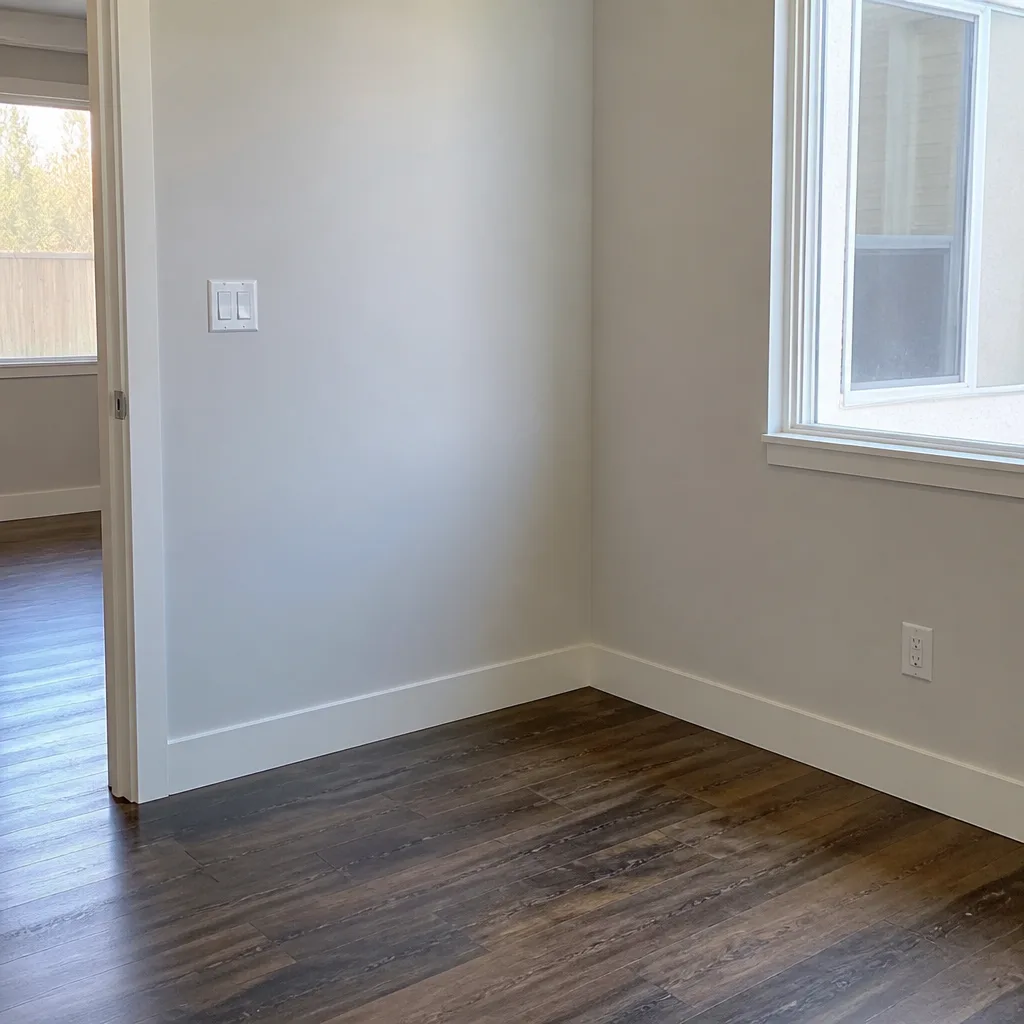 After
After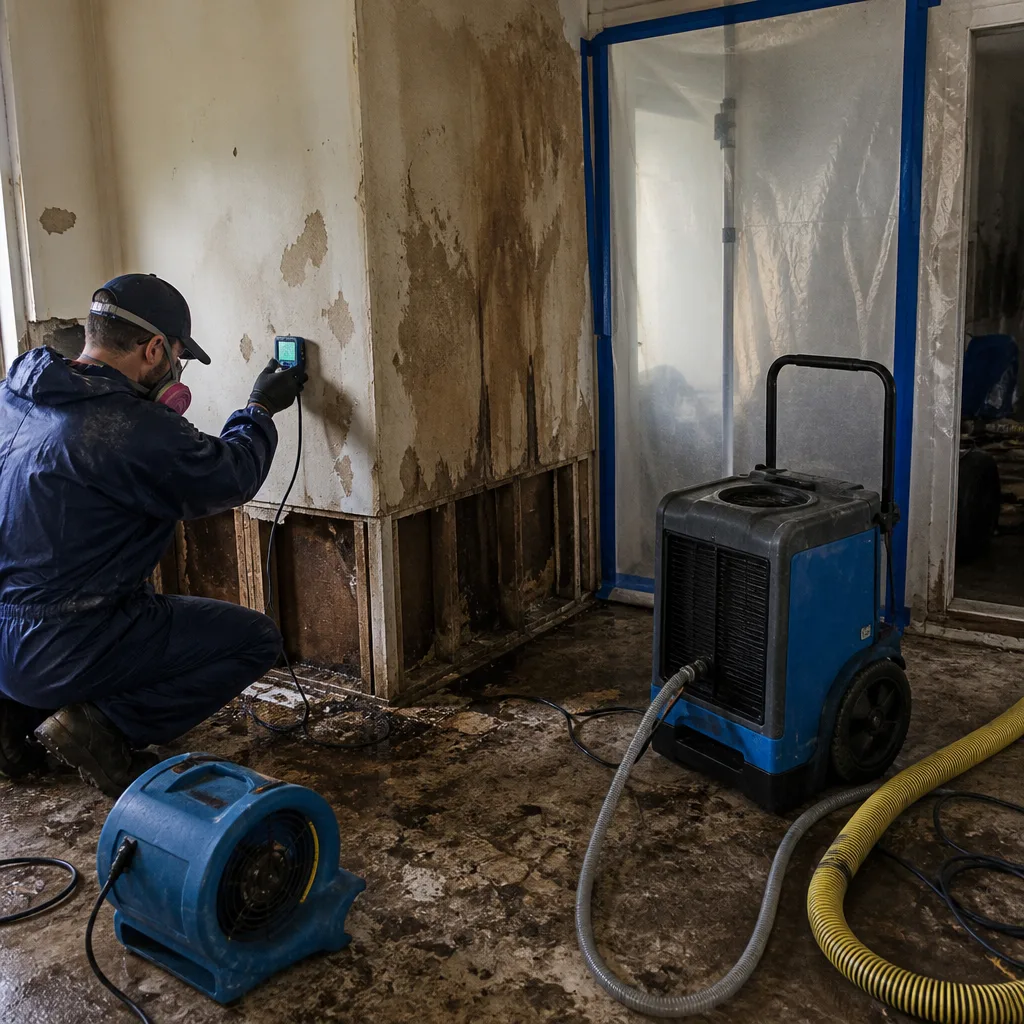 Before
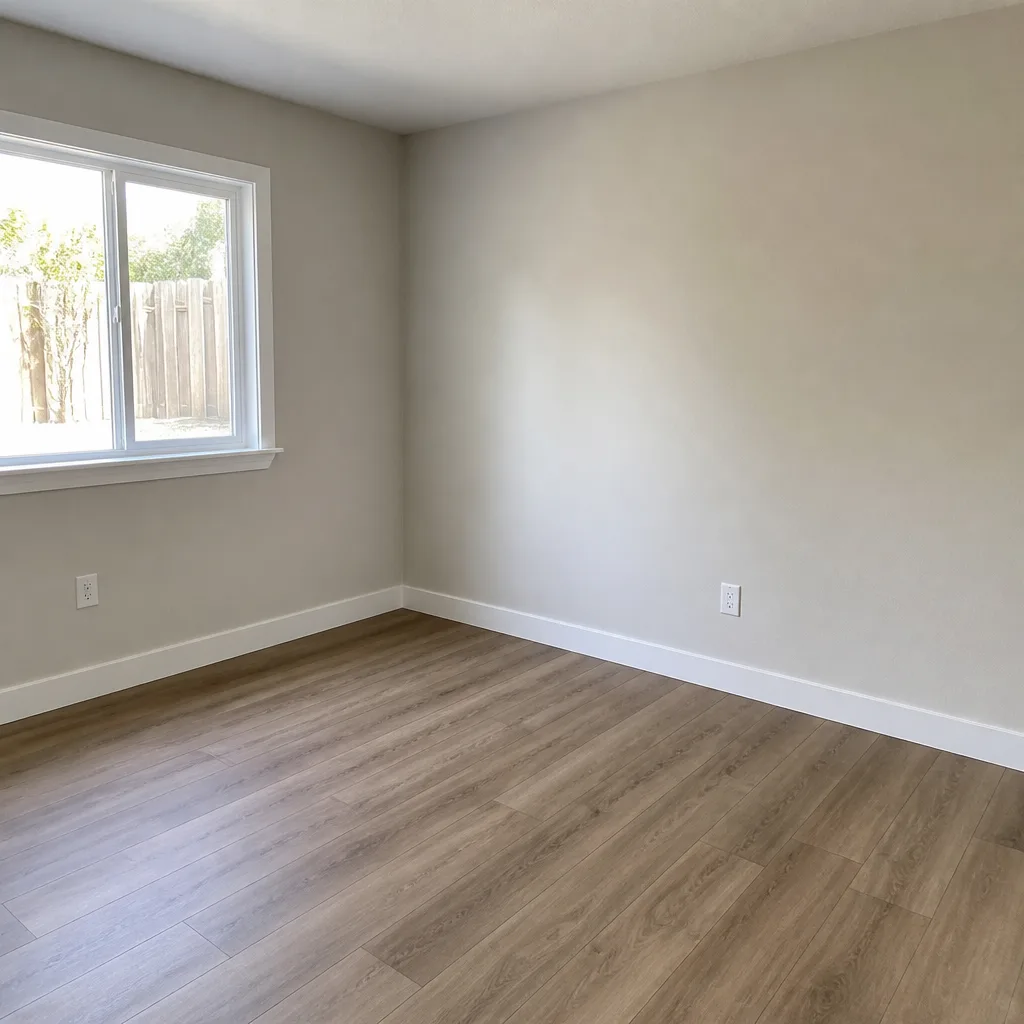 After
AfterDamage Restoration Warning Signs: A San Marcos Homeowner’s Reference Guide
A musty smell registers at roughly 10,000 mold spores per cubic meter of air - a level that typically means an active colony has been growing for weeks, not days. By the time you smell it, the drywall is already compromised. In San Marcos, where summer humidity can spike into the 70s and winter Santa Ana winds drive moisture into stucco hairline cracks, the gap between “first warning” and “expensive remediation” is narrower than most homeowners realize. This guide replaces vague advice with measurable thresholds: specific moisture meter readings, documented photo protocols, and the exact conditions that separate a 72-hour monitoring window from an emergency call. For more guides & resources, see our blog.
Quick Answer
The most critical damage warning signs in San Marcos homes are measurable, not dramatic: wood moisture content above 16% WME (wood moisture equivalent), drywall readings above 1% above baseline, or any stucco crack wider than 1/16 inch on south- and west-facing walls. These thresholds indicate active water intrusion that will progress to mold growth within 48 hours or structural compromise within weeks. Immediate professional assessment is warranted for standing water, visible structural deflection, or sewage backup; monitored conditions include gradual humidity spikes or isolated staining without moisture elevation.
Table of Contents
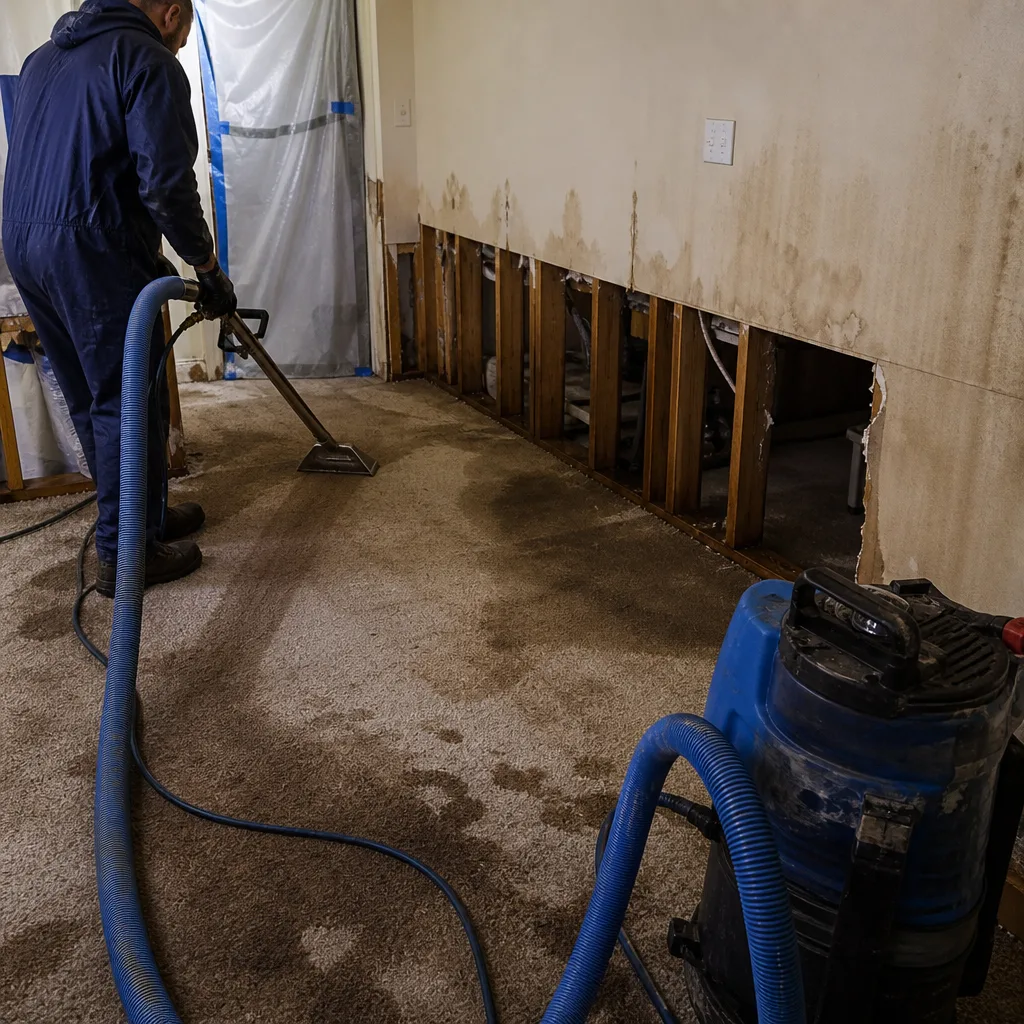
- Measurable Indicators vs. Subjective Signs
- Water Damage Thresholds That Demand Action
- San Marcos False Positives: When High Humidity Misleads
- Stucco Exterior Warning Signs Specific to San Marcos Construction
- How to Photograph and Log a Suspected Warning Sign
- Immediate Action vs. 72-Hour Monitored Conditions
- Room-by-Room Warning Sign Checklist
- Common Mistakes to Avoid
- When to Call a Professional
- Frequently Asked Questions
BeforeAfterMeasurable Indicators vs. Subjective Signs
Most homeowners have been trained to look for the wrong things. A water stain on the ceiling is already mid-stage damage. The earlier signals are numbers, not pictures.
Wood Moisture Equivalent (WME) is the standard restoration industry measurement. A pin-type moisture meter drives two electrodes into the material and measures electrical resistance, which correlates to moisture content. In San Marcos, where many homes built between 1985 and 2005 have engineered subfloors over concrete slab, WME readings tell a specific story:
- 7-12% WME: Normal seasonal range for structural wood in San Marcos coastal-influence climate
- 13-15% WME: Elevated - indicates recent moisture event or chronic humidity exposure; requires source identification within 72 hours
- 16%+ WME: Non-negotiable intervention threshold - wood decay fungi colonization begins, mold growth conditions met, structural integrity timeline now measurable in weeks not months
Drywall moisture content is measured against baseline. New drywall in San Marcos typically reads 0.5-0.8% moisture content. A reading 1% or more above established baseline for that specific wall indicates active wicking from a source that has not been identified. This is not “maybe damp.” It is documented water movement through gypsum core, which compromises paper facing and creates mold-viable substrate within 24-48 hours at 70°F+.
Concrete slab relative humidity (RH) is tested with in-situ probes per ASTM F2170. Readings above 75% RH at 40% slab depth indicate vapor pressure differential sufficient to drive moisture into flooring adhesives, wood trim, and wall bottom plates. In San Marcos, where many Discovery Hills and San Elijo Hills homes sit on post-tension slabs with minimal vapor barriers, we’ve recorded 85%+ RH readings in apparently “dry” homes where the only visible sign was slightly cupped laminate near the patio door.
Subjective signs - musty odor, “feeling damp,” a hunch - have value as prompts to measure, but never as diagnostic endpoints. The water damage restoration calls we respond to in San Marcos are disproportionately from homeowners who noticed a smell three weeks ago and waited for visual confirmation.
Water Damage Thresholds That Demand Action
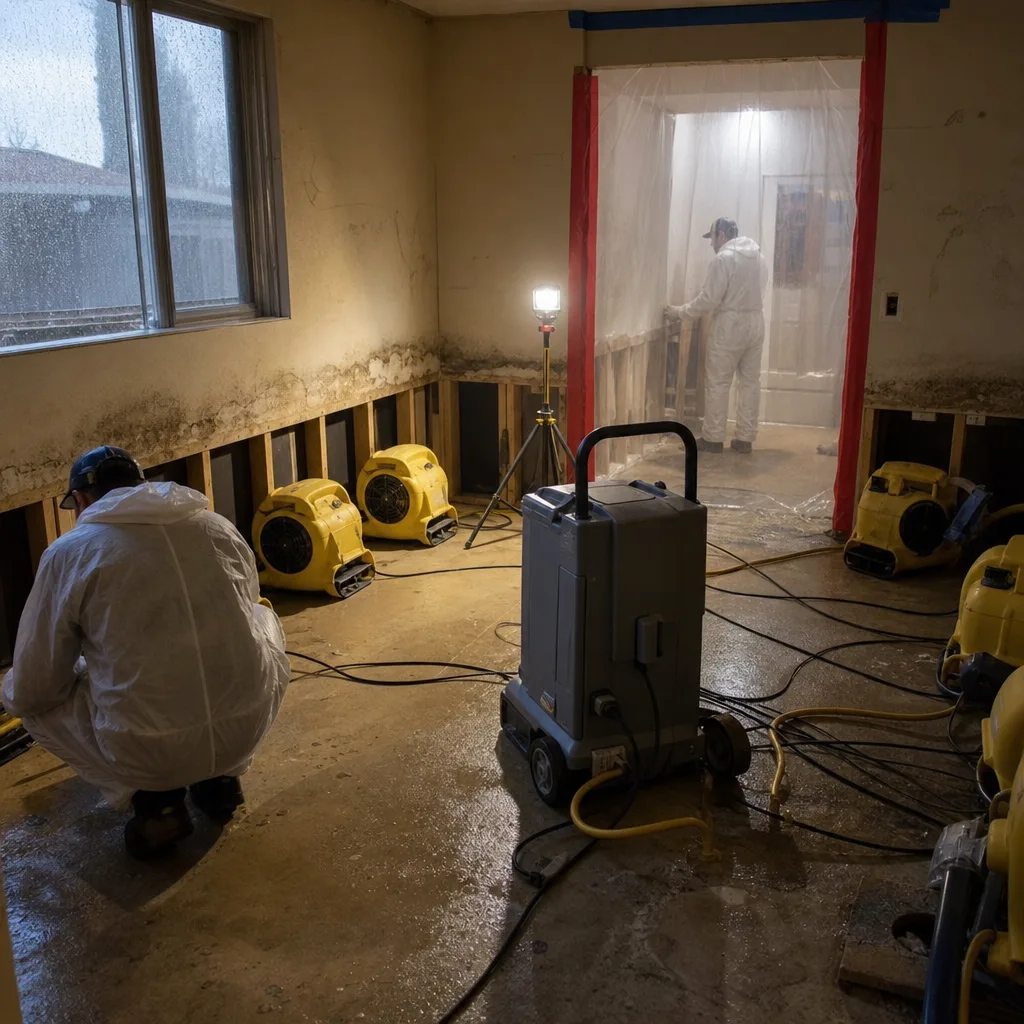
Professional restoration operates on documented thresholds because insurance adjusters, building inspectors, and moisture meters all speak the same numerical language. Here are the specific readings and conditions that trigger our standard operating protocol under The Haven Standard.
Category 1: Clean Water Intrusion
| Indicator | Threshold | Timeline to Mold | Required Response |
|---|---|---|---|
| Standing water on flooring | Any depth, any duration | 24-48 hours | Extraction within 4 hours; drying system deployment same day |
| Carpet pad moisture content | >20% WME | 48-72 hours | Pad removal or floating with air movement; dehumidification to 30-50% RH |
| Subfloor moisture (engineered wood) | >16% WME | 72-96 hours | Subfloor drying with Injectidry or equivalent negative air system; daily moisture logs |
| Drywall moisture elevation | >1% above baseline | 48-72 hours | Source stop; cavity drying; thermal imaging verification |
Category 2: Gray Water (Appliance Discharge, Sump Overflow)
All Category 1 thresholds apply, with compressed timelines. Bacterial load accelerates material degradation. Carpet pad is always removed, never dried in place. The “48-hour rule” for mold becomes a 24-hour guideline. In our San Marcos work, dishwasher drain line failures in Rancho Coronado and Lake San Marcos properties are the most common Category 2 source we encounter.
Category 3: Black Water (Sewage, Groundwater, Sea Water)
No moisture meter reading is required. Any confirmed Category 3 contact with porous material triggers removal, not drying, per IICRC S500 Standard. The threshold is binary: confirmed contact equals removal. This is where homeowners most often delay, attempting to “clean” sewage-affected drywall or carpet. The Haven Standard, Clause 3: porous materials with Category 3 contact are documented as non-salvageable, photographed for the claim file, and removed with proper PPE and containment.
San Marcos False Positives: When High Humidity Misleads
San Marcos sits in a microclimate corridor where coastal marine layer influence meets inland thermal patterns. Summer afternoons can push indoor relative humidity to 65-75% without any water intrusion event. This creates two problems: false reassurance when humidity is “normal” for the season, and false alarm when it spikes.
The 48-hour mold window is absolute, not seasonal. At 70°F and 70% RH, mold colonization begins on organic surfaces within 48 hours regardless of whether the moisture source is a leaking pipe or simply ambient humidity meeting a cold surface. In San Marcos, we see this most often in:
- Homes with single-zone HVAC in Discovery Hills, where upstairs reaches 76°F while downstairs slab perimeter drops to 62°F at the wall base, creating condensation on bottom plates
- Patio slider tracks in west-facing units along Rancho Santa Fe Road corridor, where afternoon sun heats the frame, evening cooling drops the glass below dew point, and track drainage fails
- Garage-to-living-space walls in San Elijo Hills townhomes, where unconditioned garage air meets conditioned bedroom air across a poorly sealed partition
How to distinguish ambient humidity from active intrusion:
- Establish baseline RH for each room with a calibrated hygrometer left in place for 72 hours during known-dry conditions
- Compare current readings to baseline; a 15%+ RH elevation in a single room indicates localized source, not seasonal pattern
- Use thermal imaging to identify cold spots below dew point; condensation on a uniformly cold exterior wall is ambient, while a discrete cold spot on an interior wall is conductive cooling from evaporative moisture behind the surface
- Confirm with moisture meter: ambient humidity does not elevate WME in wood or drywall unless sustained above 70% RH for 5+ days
The critical San Marcos-specific insight: our summer humidity pattern means minor leaks that would dry out in Phoenix or Las Vegas instead become sustained moisture events. A dripping angle stop under the kitchen sink that might self-resolve in arid climate becomes a sub-cabinet mold colony here because ambient humidity prevents natural evaporation.
Stucco Exterior Warning Signs Specific to San Marcos Construction
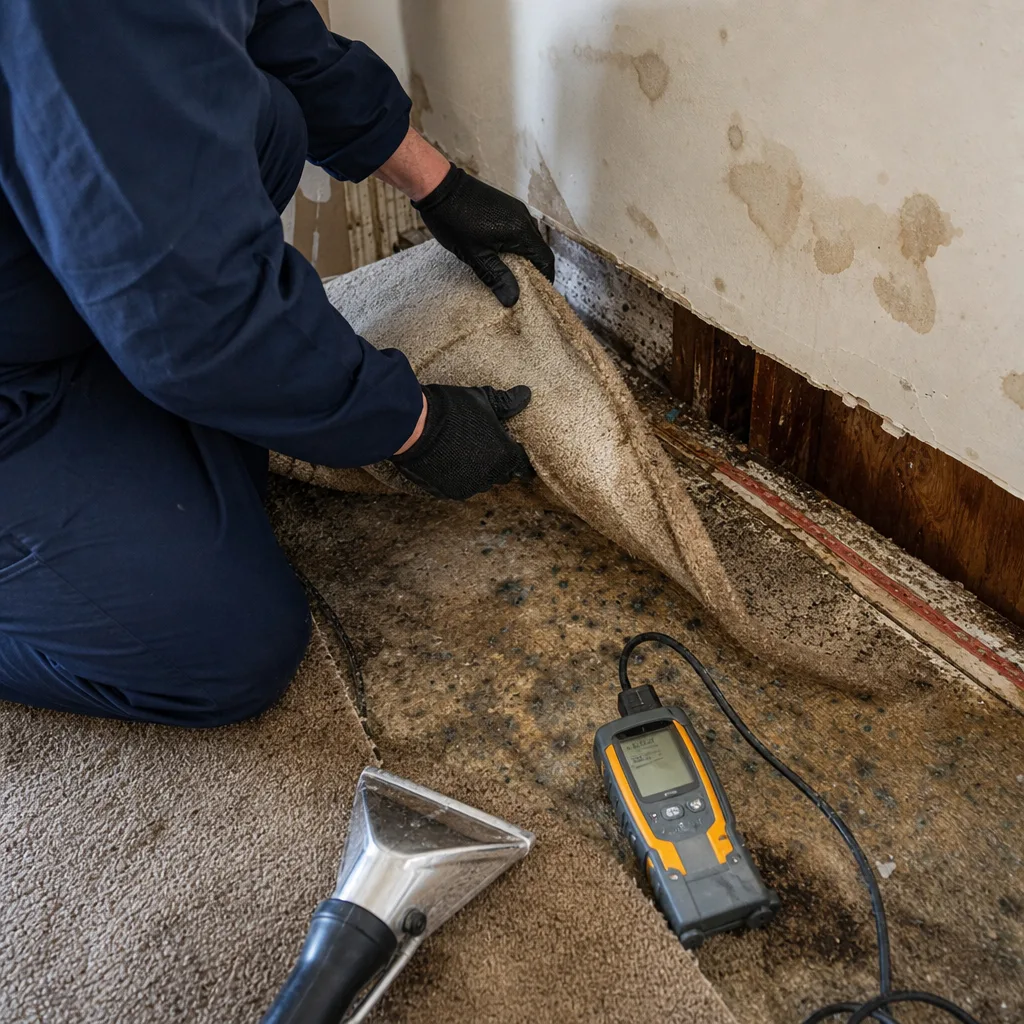
San Marcos housing stock from the 1980s through early 2000s - particularly in Rancho Coronado, Buena Creek, and the original San Marcos Ranch tracts - employed single-coat stucco over paper-backed lath with minimal drainage plane detail. This construction responds to our climate in predictable, measurable ways that differ fundamentally from interior leak patterns.
Hairline crack mapping: Stucco cracks narrower than 1/32 inch rarely admit bulk water but do create capillary pathways. Cracks between 1/32 and 1/16 inch admit wind-driven rain during our winter storm events. Cracks wider than 1/16 inch are bulk water entry points requiring repair regardless of other symptoms. We document crack width with a feeler gauge, not visual estimation, on every exterior assessment.
South- and west-facing wall accumulation: In San Marcos, these exposures receive 6-8 hours of direct solar heating daily, followed by rapid evening cooling. The thermal cycling fatigues stucco-to-window interfaces and creates differential expansion at floor-line control joints. Water that enters during rare heavy rain events (December-March) then undergoes repeated wet-dry cycling that drives it inward rather than allowing complete evaporation. We’ve removed stucco in Rancho Coronado homes where the interior face of the paper lath showed moisture staining while the interior drywall read normal - the water was trapped in the wall cavity, degrading framing but invisible to interior inspection.
Specific warning signs to measure:
- Efflorescence (white powder) on stucco surface: indicates water has moved through the cement matrix and dissolved salts; measure the area and photograph monthly for progression
- Staining below window sills or at floor line: indicates drainage failure at the flashing or weep screed; if stain area grows more than 10% between monthly photos, intrusion is active and increasing
- Soft or “hollow” sounding stucco when tapped: indicates delamination from lath, usually from prolonged moisture exposure behind the coat; confirm with moisture probe at multiple depths
- Interior baseboard separation or paint bubbling on walls backing to stucco: often the first interior-visible sign of exterior-driven moisture; moisture meter reading at baseplate is diagnostic
The San Marcos-specific risk: our mild temperatures mean homeowners rarely notice the energy penalty of wet wall cavities, so exterior-driven moisture can progress for years before interior symptoms appear. By then, the repair scope includes structural drying, potential framing repair, and stucco remediation rather than simple crack repair.
How to Photograph and Log a Suspected Warning Sign
Documentation that begins at discovery, not at contractor arrival, transforms insurance claim outcomes. We’ve reviewed thousands of claim files since 2011, and the correlation is consistent: homeowners who maintain a dated photo log from first suspicion receive fuller coverage with fewer disputes.
The protocol:
- Wide establishing shot. Stand back far enough to show the room context, the affected area, and a recognizable reference point (light switch, window, door frame). Include a dated newspaper or phone screenshot with visible date. This establishes location and timeline.
- Close detail with scale reference. Place a ruler, coin, or standard object (credit card is 3.37 inches) adjacent to the stain, crack, or deformation. Photograph perpendicular to the surface to minimize perspective distortion.
- Sequential documentation. Re-photograph from identical position every 48-72 hours if condition is changing, or weekly if stable. Any progression in size, color intensity, or surrounding damage is claim-relevant evidence.
- Environmental context. Photograph the hygrometer reading, the moisture meter display with probes in place, or the thermal image screen. These are your contemporaneous measurements, not retrofitted interpretations.
- Written log entry. Note date, time, weather conditions, any recent plumbing use or weather events, and the exact measurement. “Master bath north wall, 6 inches from ceiling, brown stain 3 inches by 2 inches, moisture meter 18% WME in adjacent stud, hygrometer 67% RH in room, 58% RH in adjacent bedroom. No plumbing use in 8 hours. Rained 0.4 inches previous day per NWS San Marcos station.”
Storage: Cloud backup with automatic date stamping. Email the log to yourself for immutable timestamp. Do not rely on phone storage alone; water-damaged phones are common in our line of work, and the documentation lost with them often costs the claim.
The Haven Standard requires our technicians to continue this documentation chain on every visit, producing a photo record that starts with your discovery photos and ends with our completion documentation. Adjuster review is smoother when the file shows continuity, not a gap between “sometime it got worse” and “we arrived and found this.”
Immediate Action vs. 72-Hour Monitored Conditions
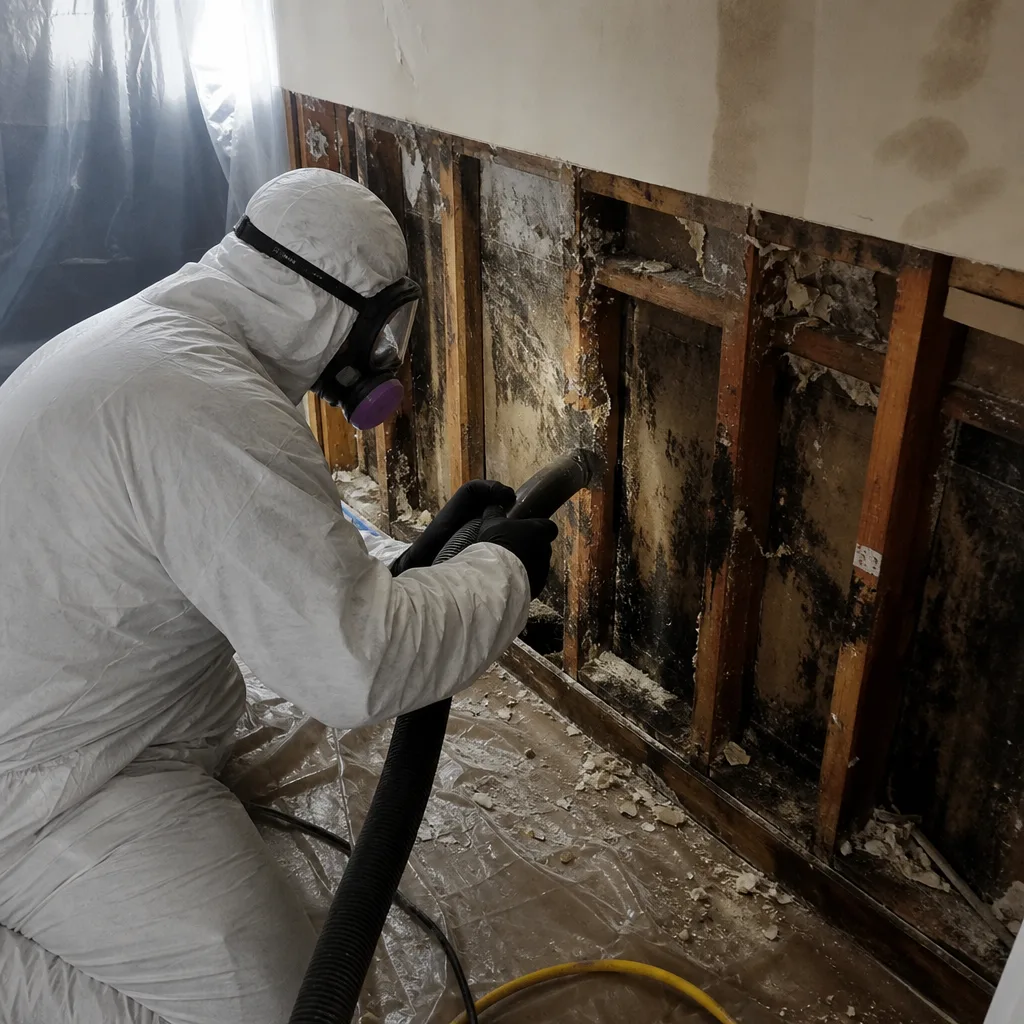
Not every warning sign requires emergency dispatch. Misidentifying a monitored condition as an emergency wastes resources; misidentifying an emergency as monitored costs structural integrity. Here is the decision framework we use on every initial call in San Marcos.
Immediate Action Required (Dispatch Within 4 Hours)
- Standing water of any depth, any location, any presumed source
- Active sewage backup or confirmed Category 3 water contact with living space
- Visible structural deflection: sagging ceiling, bowed wall, separated framing, or any displacement exceeding 1/4 inch from established plane
- Electrical panel or outlet with water contact, or any moisture near energized 240V appliances
- Water flowing from ceiling light fixture or smoke detector (indicates active leak above, with electrical hazard)
- Natural gas odor concurrent with water damage (indicates potential line compromise; evacuate and call utility first)
72-Hour Monitored Conditions (Assessment Scheduled, Source Investigation Begins)
- Isolated moisture meter elevation (16%+ WME) in single location without visible water source; begin source tracing, schedule professional assessment within 72 hours
- Gradual humidity spike (15%+ above room baseline) without visible water; implement enhanced ventilation, monitor daily, schedule if not resolving
- Stucco crack progression or efflorescence growth documented over 2+ weeks; schedule exterior assessment, continue monthly photo log
- Musty odor without visible mold or moisture elevation; this is your prompt to measure, not to panic - schedule air sampling if odor persists beyond 72 hours after humidity correction
- Previous water damage with new staining at repair margin; indicates incomplete drying or secondary wicking; professional moisture mapping warranted
The critical distinction: monitored conditions become emergencies when they cross threshold during the monitoring period. A 15% WME reading on Monday that reaches 19% by Wednesday is no longer monitored; it’s active decay with accelerated timeline. Document the progression and escalate.
Room-by-Room Warning Sign Checklist
San Marcos home layouts cluster around specific patterns: 1970s-1980s single-story ranch on slab, 1990s-2000s two-story with partial basement or crawl, 2010s+ multi-story with conditioned attic. Each has predictable failure points.
Kitchen
- Refrigerator ice maker line: copper saddle valves fatigue at 10-15 years; check for green corrosion at compression fitting
- Dishwasher drain hose: high-loop failure allows back-siphon; water stains in adjacent cabinet base indicate chronic event
- Sink cabinet base: particleboard swelling at seam is early indicator; 18%+ WME in cabinet floor means active leak, not spill
Bathroom
- Toilet flange: rocking toilet indicates wax ring failure; subfloor moisture at toilet perimeter is common hidden damage
- Shower/tub surround: grout cracking at wall-floor junction allows capillary water behind surround; probe adjacent wall at 12 inches above floor
- Exhaust fan: inadequate CFM for bathroom volume (mold remediation calls from San Marcos master baths often trace to 50 CFM fans in 100+ square foot rooms)
Laundry
- Washing machine supply hoses: rubber hoses fail at 3-5 years; braided stainless at 8-10; date your hoses
- Drain standpipe overflow: indicates partial blockage; first overflow event often soaks wall cavity before floor
Garage
- Water heater T&P valve discharge: code requires visible termination, but many terminate into garage drain pan that overflows
- Slab perimeter: garage slab is often lower grade than living space; moisture wicking at shared wall base is common in San Marcos homes with attached garage
Exterior/Attic
- Tile roof underlayment: our Santa Ana wind events lift tile edges, exposing underlayment to UV degradation; brittle underlayment fails in next rain
- HVAC condensate line: attic-mounted air handlers in San Marcos Ranch vintage homes often drain to exterior via flexible line that cracks at roof penetration
- Stucco weep screed: must be minimum 2 inches above hardscape; concrete patios poured against weep screed block drainage and create chronic wall base moisture
Common Mistakes to Avoid
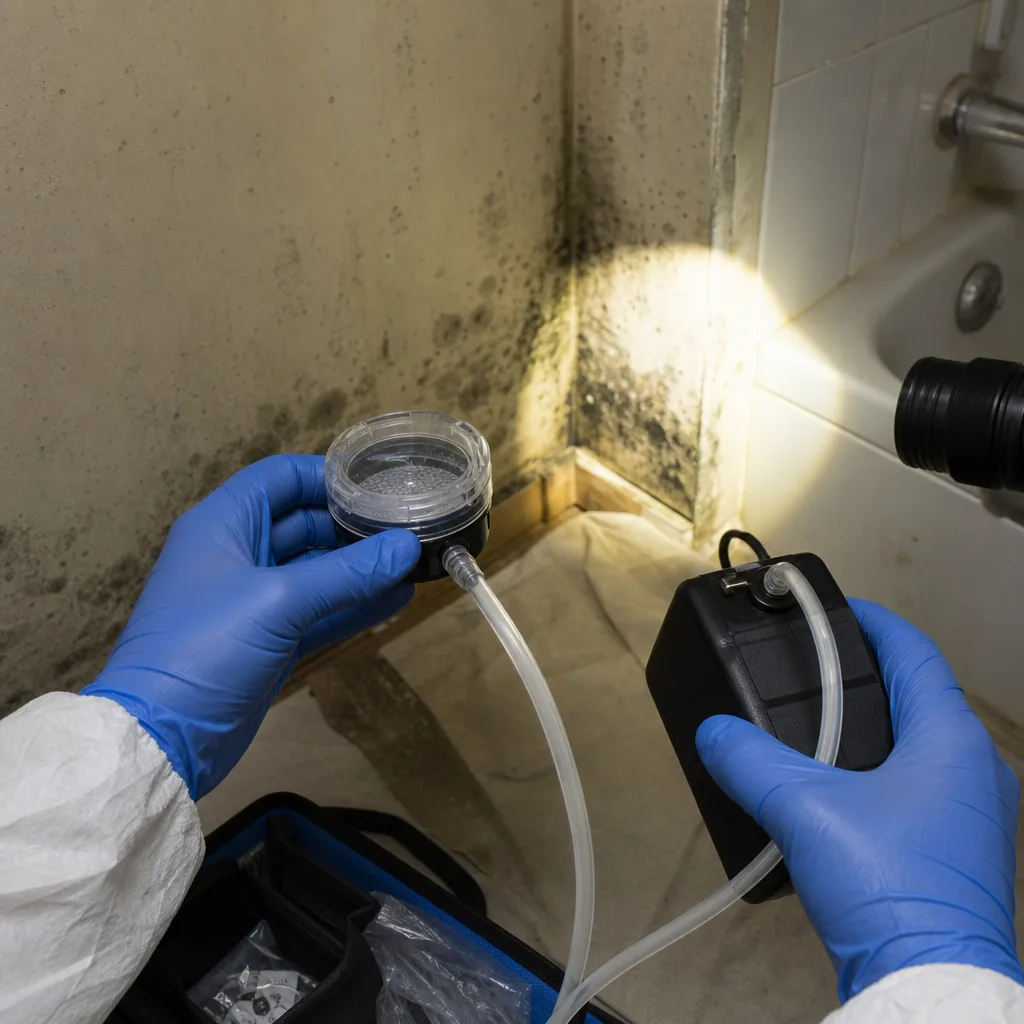
- Waiting for the stain to “dry out on its own.” In San Marcos ambient humidity, materials above 16% WME rarely self-dry; they reach equilibrium with humid air and maintain mold-viable moisture indefinitely.
- Using bleach on visible mold. Bleach penetrates porous materials poorly, leaves moisture that feeds regrowth, and produces no documentation for insurance. It also fails to address the moisture source, so the colony returns.
- Trusting the home inspector’s “no active leaks” finding from purchase. Inspectors work to visual-accessible standards; they do not probe walls or run continuous moisture monitoring. A 2022 inspection report has no bearing on a 2024 angle-stop failure.
- Running fans on standing water without extraction. Air movement over standing water increases evaporation rate into the room, elevating humidity and accelerating mold in unaffected areas. Extract first, then dry.
- Accepting a verbal estimate for emergency work. Haven Standard, Clause 1 exists because we’ve seen homeowners sign blank work authorizations at 2 AM and receive invoices 400% above verbal quote. Written price before work starts, every time, no exceptions.
- Neglecting to photograph pre-existing conditions before contractor arrival. If the scope expands, you need baseline documentation of what existed before work began. Insurance disputes often hinge on this distinction.
- Assuming new construction is immune. San Marcos building boom 2019-2022 produced homes with documented stucco drainage failures, improper flashing at deck-to-wall interfaces, and HVAC condensate lines that terminated inside wall cavities. Age is not protection.
When to Call a Professional
Call when you’ve measured a threshold, not when you’ve exhausted your tolerance for uncertainty. The 16% WME threshold, the 1/16 inch stucco crack, the 15% RH elevation above baseline - these are your decision points, not your anxiety levels.
For conditions requiring immediate action, documented response time matters. Standing water moves laterally through carpet pad at approximately 1 foot per hour on flat grade; every hour of delay expands the affected area and the restoration scope.
DryMark Restoration San Marcos offers free estimates in San Marcos - call (858) 434-8474. Every assessment includes moisture mapping with documented readings, a written scope with line-item pricing before any work begins, and a photo record that starts your claim documentation. The Haven Standard, Clause 1: written price before work starts. The Haven Standard, Clause 5: 365-Day Done Right Promise on every job.
Frequently Asked Questions
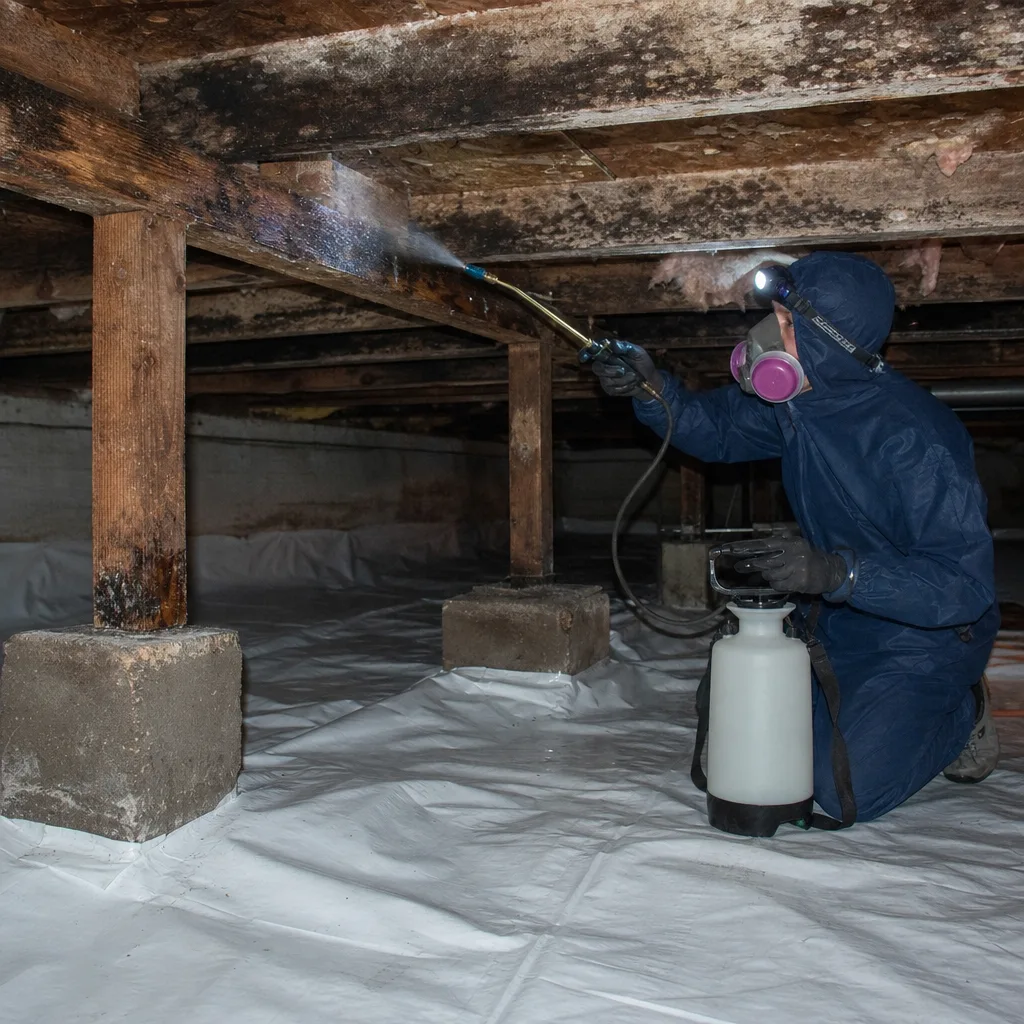
Initial moisture mapping and assessment at DryMark Restoration San Marcos is provided at no charge. The assessment includes room-by-room moisture readings with documented WME and RH values, thermal imaging scan, and a written scope with line-item pricing before any work is authorized. Call (858) 434-8474 to schedule - estimates are free and carry no obligation.
Coverage depends on whether the damage is from a sudden, accidental event or from long-term maintenance neglect. The critical factor is documentation: when did you first discover the condition, what did you observe, and what did you do? A dated photo log starting at discovery demonstrates due diligence and often preserves coverage that might otherwise be denied for “gradual damage.” We coordinate directly with adjusters and provide the documented moisture logs and photo records that support claim approval.
Live phone coverage is available 24 hours a day, 7 days a week with no voicemail on emergency lines. For standing water, active sewage backup, or structural deflection, our target dispatch window is under 4 hours from call to on-site arrival in San Marcos city limits. Response time is confirmed in writing when you call, not estimated.
Visible mold on a surface typically represents a fraction of the actual colony. In our San Marcos work, cavity inspection with boroscope camera often reveals 5-10 times the affected area visible from the room. Cleaning surface growth without addressing the moisture source and hidden colonization guarantees recurrence. Professional remediation includes source elimination, containment, HEPA air filtration, and post-remediation verification - the documentation chain that satisfies insurer and health authority requirements.
We do. Every DryMark Restoration San Marcos job includes direct adjuster coordination: we submit our documented photo record, daily drying logs, and written scope in the format adjusters require. Our documentation is built to IICRC and RIA standards specifically to eliminate the back-and-forth that delays claims. You are copied on all communications but not burdened with translating moisture readings into insurance language.
Professional-grade drying systems from Dri-Eaz, Phoenix, and Injectidry produce air movement volumes, dehumidification capacity, and precision cavity drying that consumer rental equipment cannot match. More critically, our equipment deployment is governed by psychrometric calculations - the science of how temperature, humidity, and air movement interact to remove moisture - with daily adjustment based on documented readings. Rental equipment without this monitoring and adjustment often dries surface layers while trapping moisture in subfloors and wall cavities, creating the conditions for delayed mold growth.
The Bottom Line
Warning signs are not mysteries. They are measurements waiting to be taken. The musty smell that registers at 10,000 spores per cubic meter, the 18% WME reading in your kitchen subfloor, the 1/8 inch stucco crack on your west wall - each has a threshold, a timeline, and a documented response protocol. The homeowners who fare best in San Marcos are not those with the best luck or the newest homes; they are those who measure early, document continuously, and act on numbers rather than waiting for drama. The Haven Standard was built on this principle: evidence before emotion, written price before work, and a documented record that turns restoration into a claim that gets paid.
Written by Alicia Brennan, Owner at DryMark Restoration San Marcos, serving San Marcos since 2011.