
Last updated September 23, 2026
Free visual inspection and a written scope of work before any mitigation begins - photos, moisture readings, and drying logs go in your claim file
The scope we write is the scope we bill. Anything new gets shown to you, in writing, before we touch it.
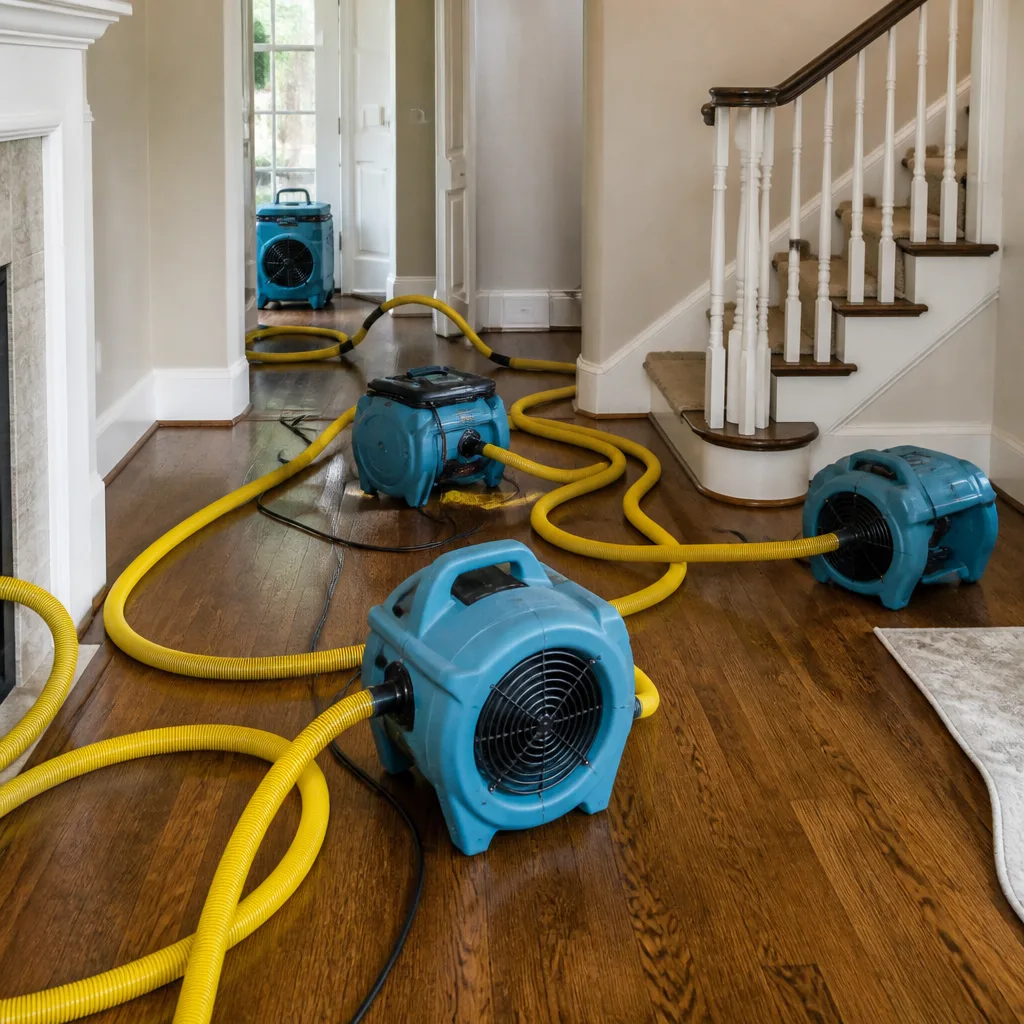



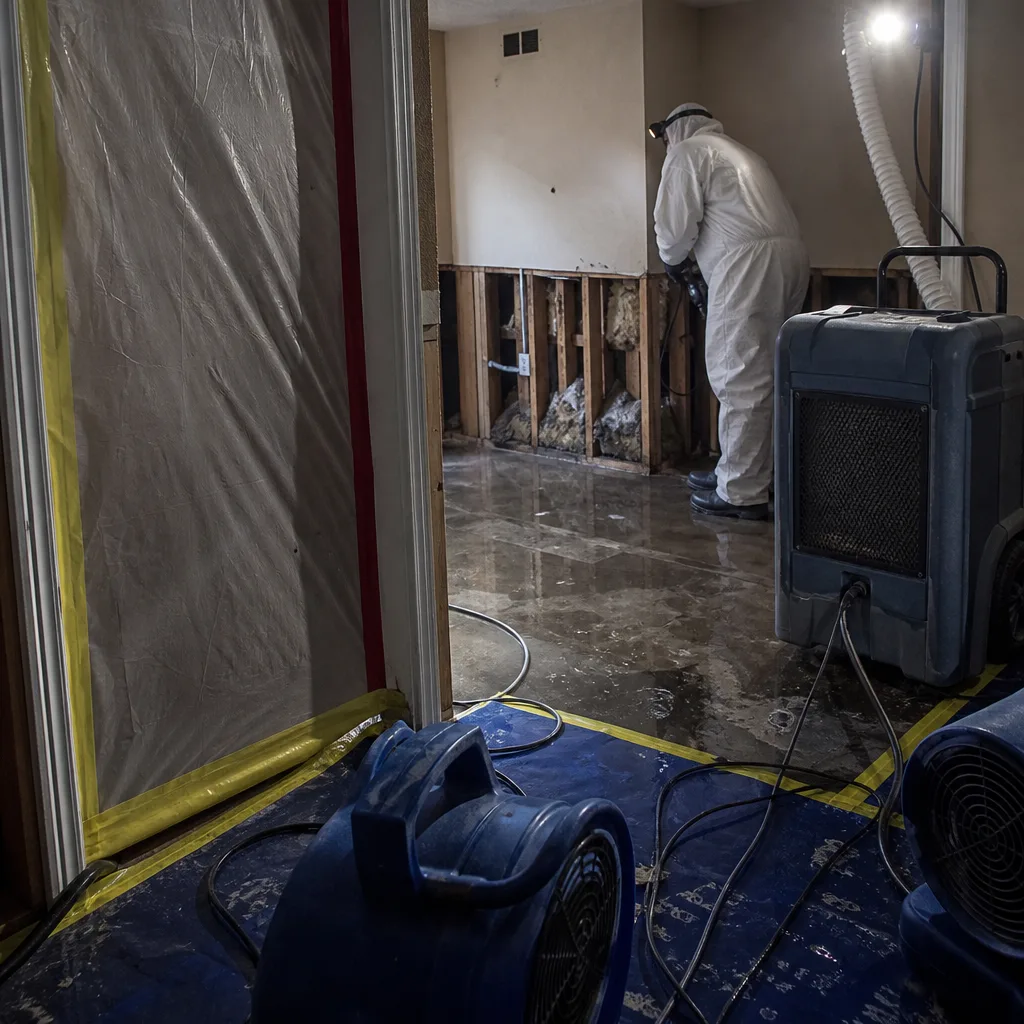 Before
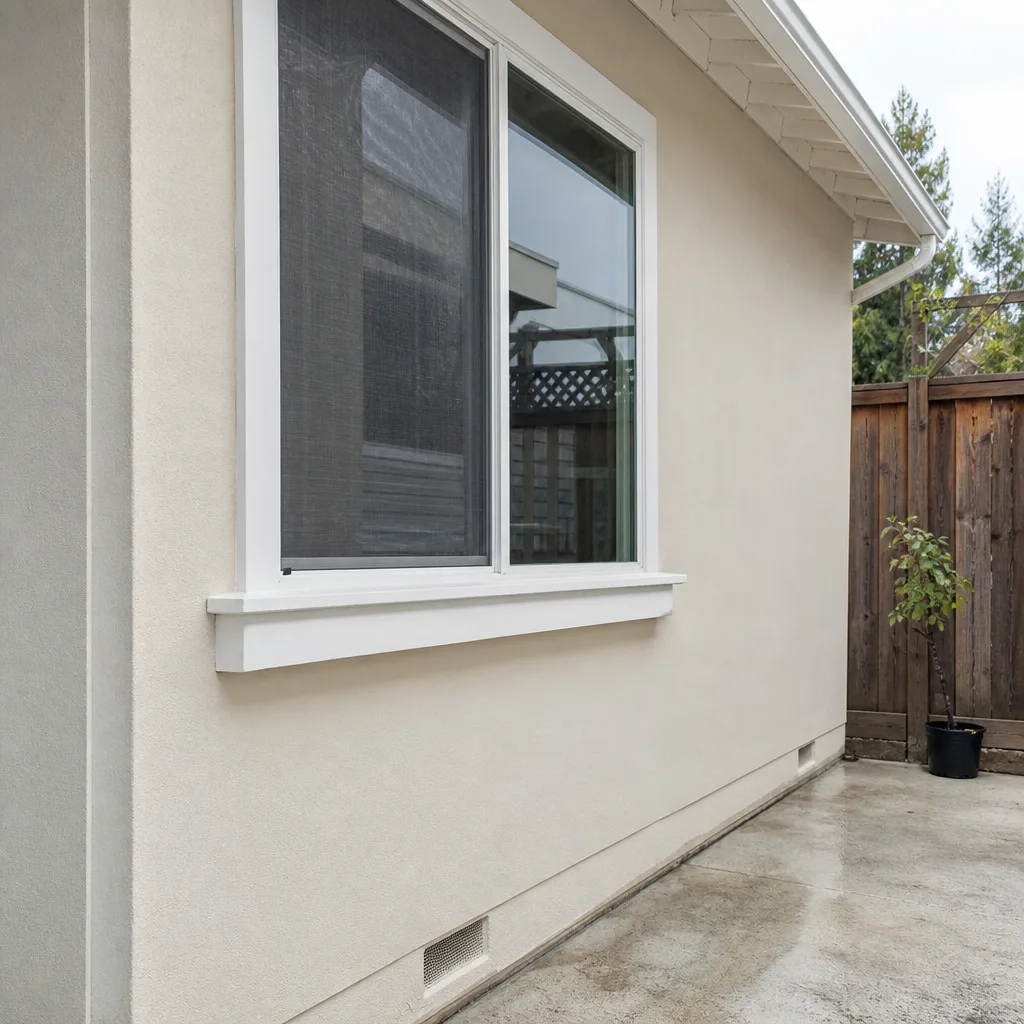 After
After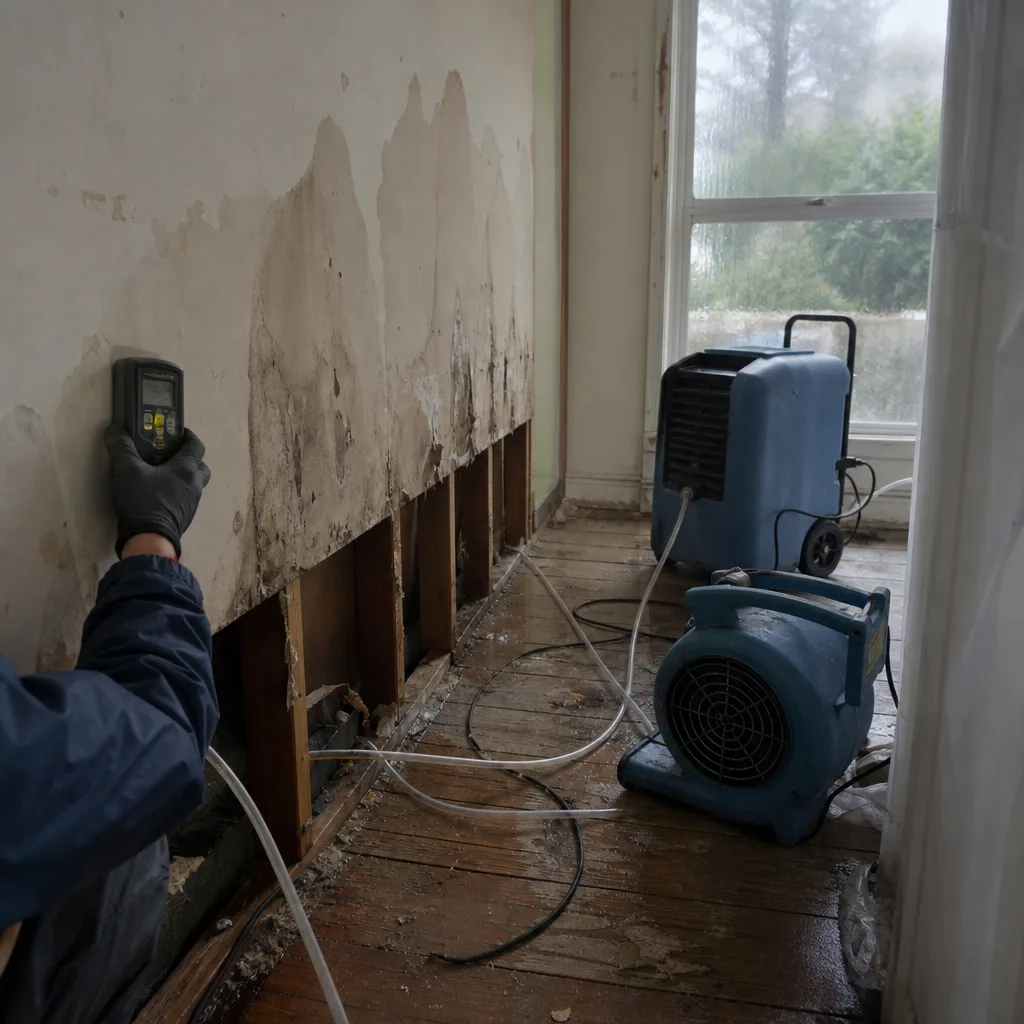 Before
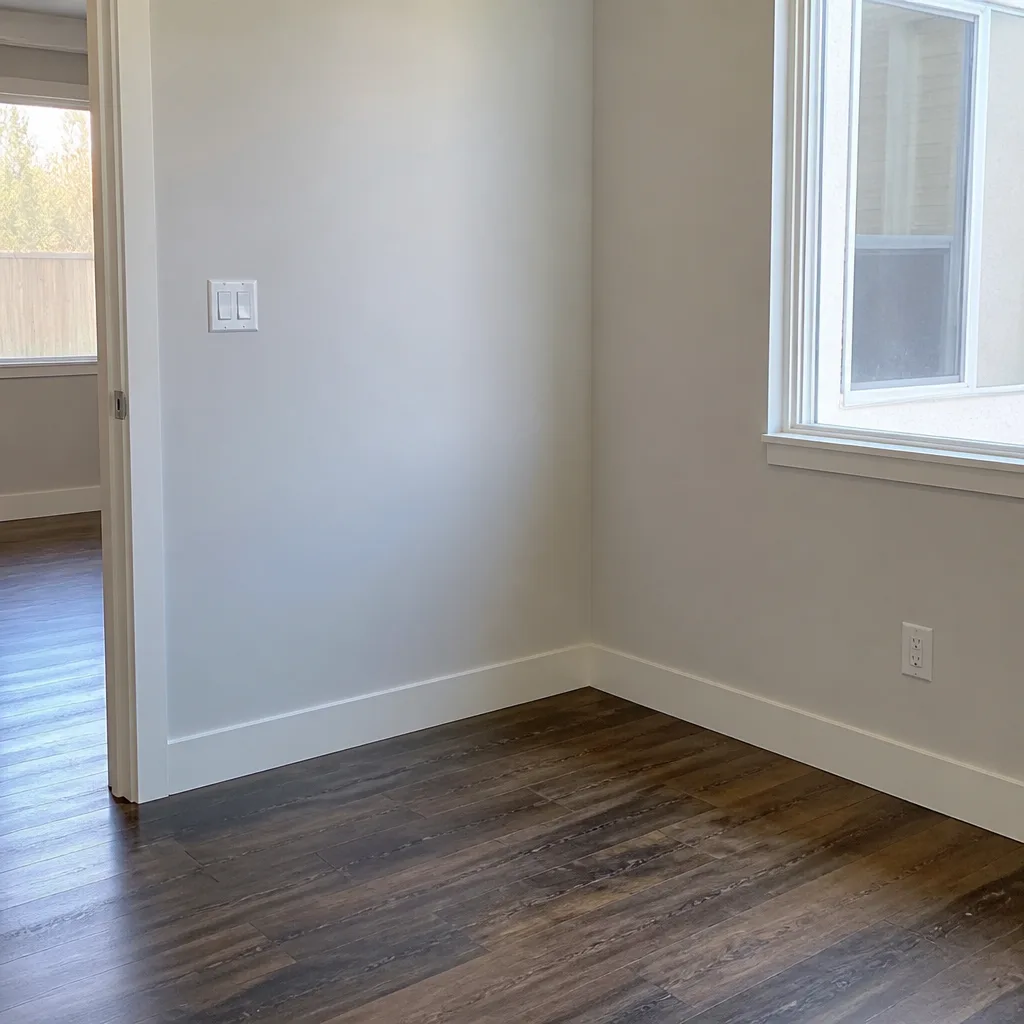 After
After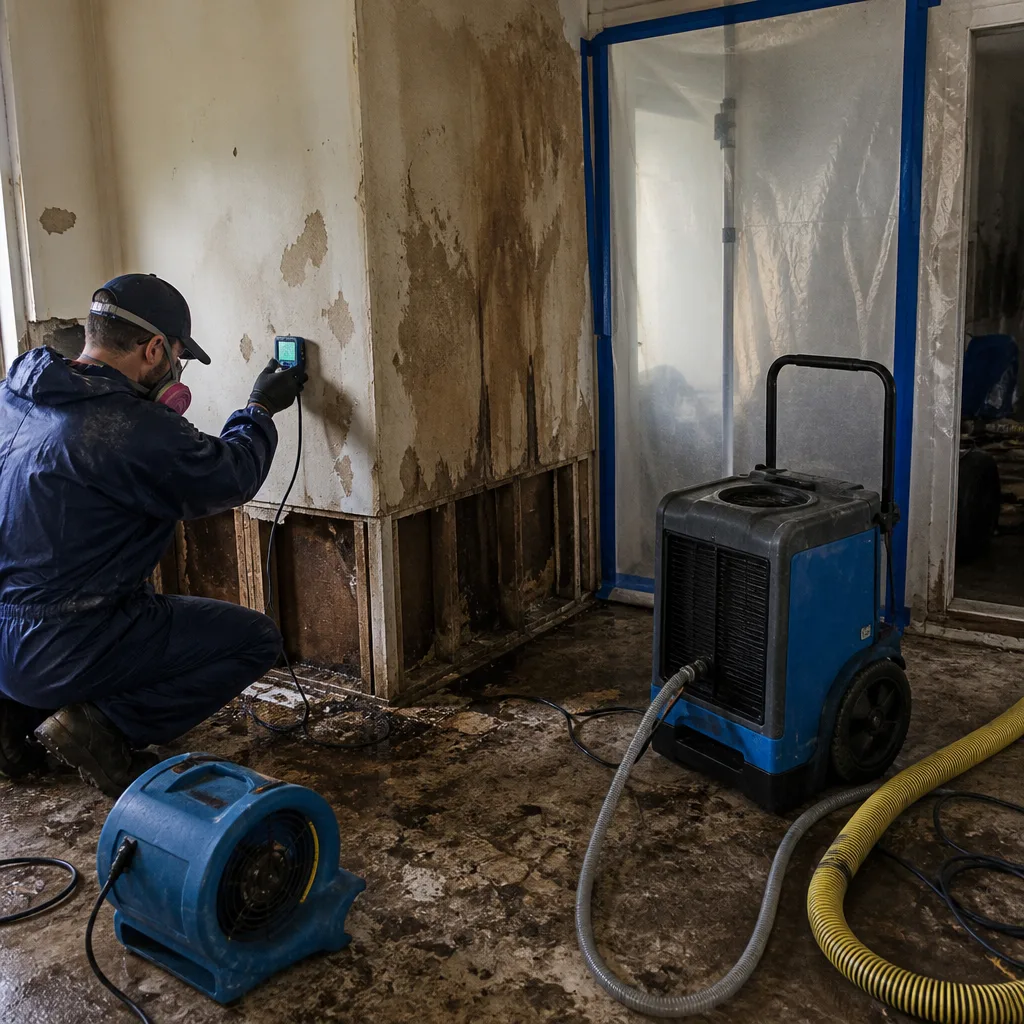 Before
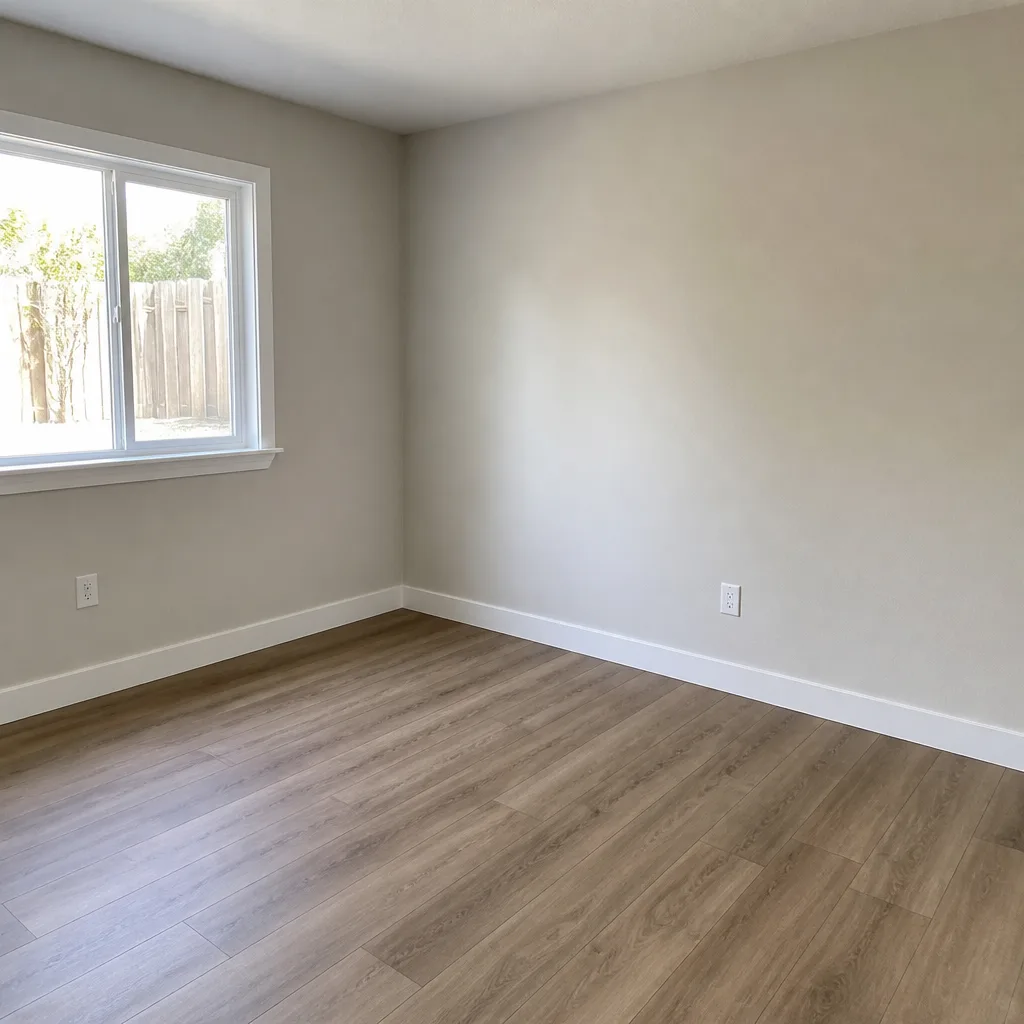 After
AfterWater Damage Restoration Maintenance Checklist for San Marcos Homeowners
The most expensive water damage call we handle in San Marcos isn’t from a burst pipe. It’s from a supply line fitting that a homeowner visually inspected and called “fine” for three years before it failed behind a cabinet, saturating the vanity, the subfloor, and the ceiling below. In this guide, you’ll learn how to prevent that scenario with a maintenance checklist built around measurable thresholds - specific moisture readings, replacement intervals, and documentation protocols that hold up when you file a claim. These are the same benchmarks our crews use during initial assessments on water damage restoration in San Marcos jobs.
Quick Answer
A water damage restoration maintenance checklist for San Marcos homeowners should include quarterly moisture readings at key locations (recorded in %WME), supply line replacement every 5-8 years for braided steel and immediate replacement for plastic, roof and flashing inspection after every Santa Ana wind event, seasonal irrigation system checks for clay soil settlement, and date-stamped photo documentation stored in cloud backup. These five categories, maintained with specific numerical thresholds, create a pre-loss record that insurance adjusters accept and restoration contractors can reference.
Table of Contents
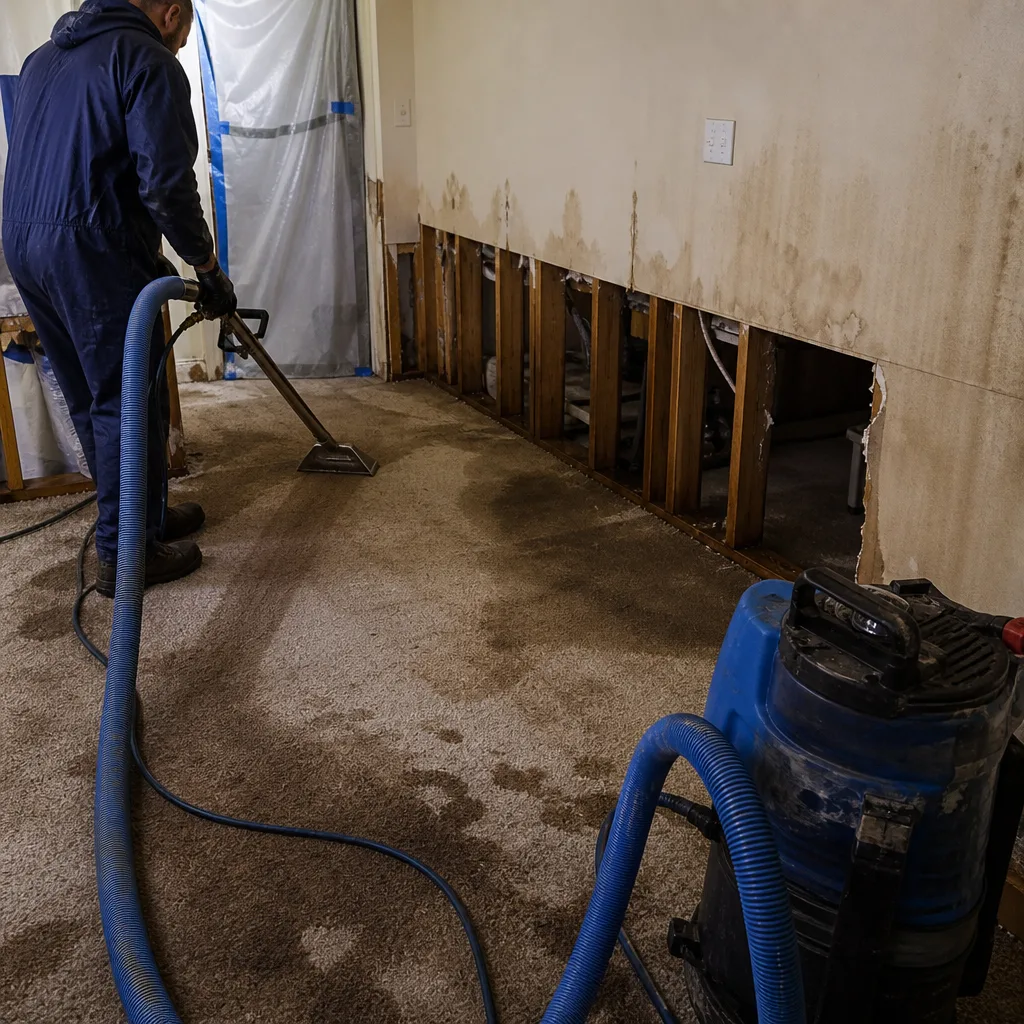
- Recording Moisture Baselines in %WME
- Supply Line Replacement by Material Type
- Roof and Flashing Inspection Triggers
- Irrigation and Clay Soil Settlement Checks
- Documenting Pre-Loss Condition
- Seasonal Maintenance Schedule
- Common Mistakes to Avoid
- When to Call a Professional
- Frequently Asked Questions
BeforeAfterRecording Moisture Baselines in %WME
Every water damage claim starts with a question: what was normal before the loss? Without a recorded baseline, you’re negotiating from memory against an adjuster’s moisture meter. We use %WME - wood moisture equivalent - because it’s the standard reference that IICRC documentation requires and that insurance carriers recognize.
Here’s where and how to record baselines in a typical San Marcos home:
- Under kitchen and bathroom sinks: Press a pinless moisture meter against the cabinet base and the wall behind the P-trap. Record %WME in a spreadsheet with the date. Normal range for San Marcos: 8-12% WME in winter, 6-10% in summer. Readings above 15% indicate a slow leak or condensation issue that needs tracing.
- Slab perimeter in ground-floor rooms: Test 2 inches from the wall, at 90-degree corners where plumbing runs concentrate. San Marcos slab-on-construction is common in neighborhoods built 1985-2010; perimeter readings above 13% WME suggest irrigation overspray, weep screed blockage, or a slab leak warming up.
- Attic at the north-facing slope: This is the last area to dry after marine layer mornings. Insert probe pins into roof sheathing near the ridge vent. Baseline: 10-14% WME. A reading above 18% with visible mold staining means you’ve crossed into mold remediation in San Marcos territory, not prevention.
- Garage drywall adjacent to water heater: The TPR valve discharge and pan drain failures we see in San Marcos garages often leave no visible water until the bottom plate is compromised. Baseline: 5-9% WME. Check quarterly.
Buy a consumer-grade pinless moisture meter for $50-$80. Pin-type meters are more accurate for suspect areas but require surface penetration. Record readings in a Google Sheet with columns for: location, date, %WME, ambient temperature, and notes. Share access with your insurance agent or upload to your carrier’s app if they offer pre-loss documentation storage.
Why this matters for claims: when our crew arrives at a San Marcos water damage job, we take our own readings and compare them to any pre-loss data the homeowner provides. A documented baseline turns a disputed “gradual damage” denial into a covered sudden and accidental loss. We’ve seen claims approved specifically because the homeowner had nine months of quarterly readings showing a spike from 9% to 23% WME under the kitchen sink over a two-week period.
Supply Line Replacement by Material Type
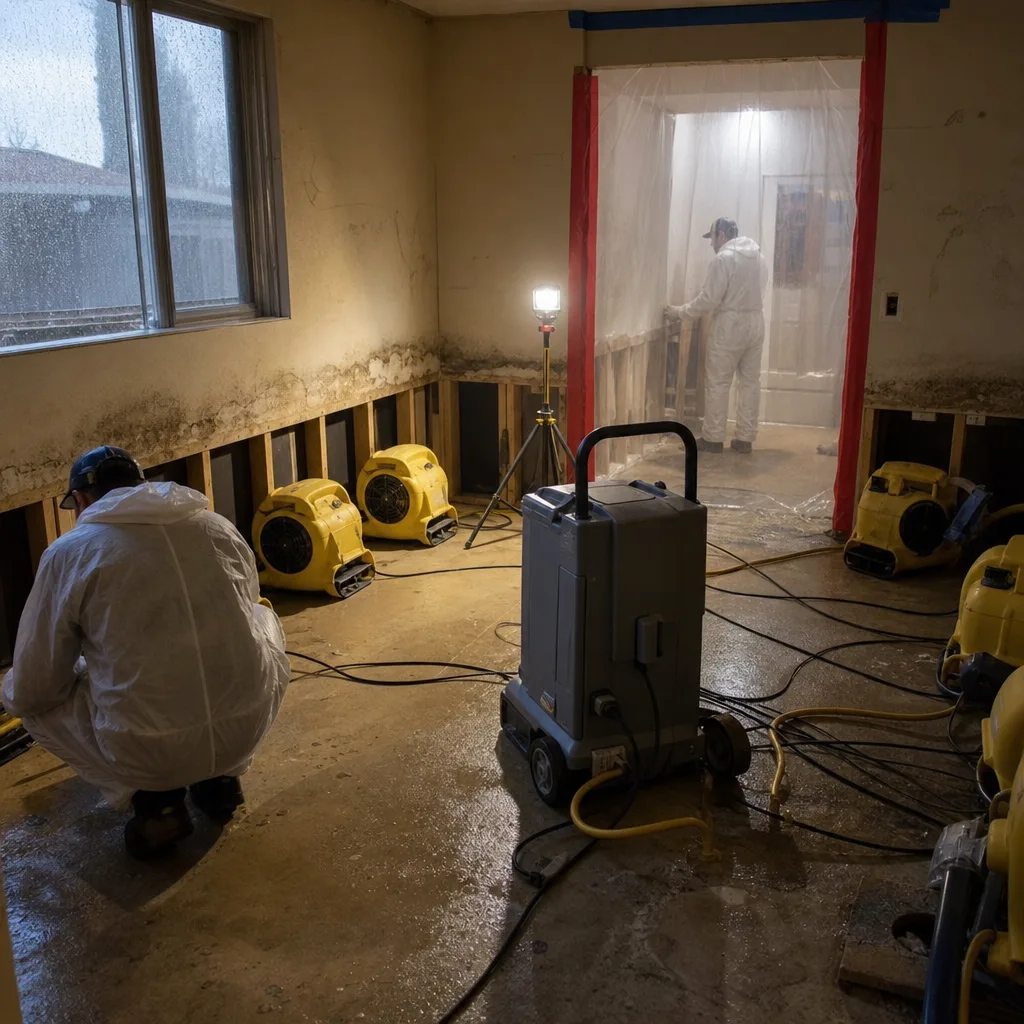
San Marcos municipal water supply runs moderately hard at 7-12 grains per gallon, depending on whether your service area draws from the San Diego County Water Authority treated supply or local blended sources. That hardness accelerates corrosion in some materials and leaves others untouched. Your replacement interval depends on what you’re actually looking at.
| Material | Visual Identification | Replacement Interval | San Marcos-Specific Note |
|---|---|---|---|
| Braided stainless steel | Woven metal exterior, usually with a blue or red polymer coating | 5-8 years from installation date | Hard water mineral buildup at the ferrule can mask corrosion; replace on interval, not appearance |
| Reinforced PVC (polymer braid) | White or gray mesh over opaque plastic | Replace immediately if still installed | These fail catastrophically without warning; common in San Marcos homes built 1995-2005 |
| Copper (rigid or flex) | Reddish metal, may have green oxidation | Inspect annually; replace when wall thickness measures below 0.5mm | Pinhole leaks from chloramine treatment accelerate in hot water lines; check water heater connections first |
| PEX-A or PEX-B | Opaque white, red, or blue flexible tubing | 15-25 years manufacturer-rated; inspect crimp rings at 10 years | UV exposure during San Marcos new construction storage caused early failures in 2000s installs; check for brittleness |
The critical detail most homeowners miss: the installation date, not the purchase date. If you didn’t install it, assume it’s at end of life. We find braided steel lines in San Marcos homes with 2012 installation stickers that look pristine externally but show ferrule corrosion at 60x magnification.
Replacement protocol: shut off the angle stop, photograph the existing line with the date visible, install the new line with a brass ferrule (not zinc-coated), and record the replacement date in your maintenance log. Keep the receipt. If that line fails within its rated interval and causes damage, the manufacturer or installer may share liability.
Roof and Flashing Inspection Triggers
San Marcos experiences Santa Ana wind events roughly 20 days per year, concentrated October through March. These aren’t just strong winds; they’re dry, heated, directional gusts that lift composite shingle tabs, drive debris under flashing, and create entry points that normal rainfall won’t reveal until the next storm.
Don’t inspect your roof on a schedule. Inspect it after triggers:
- Within 48 hours of any Santa Ana event exceeding 35 mph sustained: Check from the ground with binoculars first. Look for lifted tabs at the rake edges and windward slopes. San Marcos homes in the hills west of Twin Oaks Valley Road see accelerated exposure.
- After any night with temperature swing exceeding 30°F (common in Santa Ana conditions): Thermal cycling cracks mastic and caulking at penetrations. Check pipe boots, chimney cricket flashings, and solar mount feet.
- When jacaranda or eucalyptus debris accumulates in valleys: These species are common in San Marcos and hold moisture against flashing. Clean valleys within 72 hours of significant drop.
- Before November 1 each year: Pre-rain verification, separate from post-event checks. Focus on the north-facing slopes where marine layer moisture lingers longest.
What to document: photograph each penetration from two angles, with a dated newspaper or phone timestamp visible. Note any lifted tabs by count and location (“3 tabs lifted, southwest slope, below ridge vent”). If you find lifted tabs, don’t reseal them yourself; the adhesive strip beneath requires proper reactivation with a heat gun, and improper repair voids most manufacturer warranties.
Flashing specifics for San Marcos: the combination of Santa Ana dryness and marine layer moisture creates a unique corrosion pattern on galvanized steel flashings. We see rust-through at chimney crickets in 12-15 years instead of the 20-25 year rating. If your home was built 2005-2015, inspect galvanized flashings annually and consider upgrading to copper or painted aluminum at next reroof.
Irrigation and Clay Soil Settlement Checks
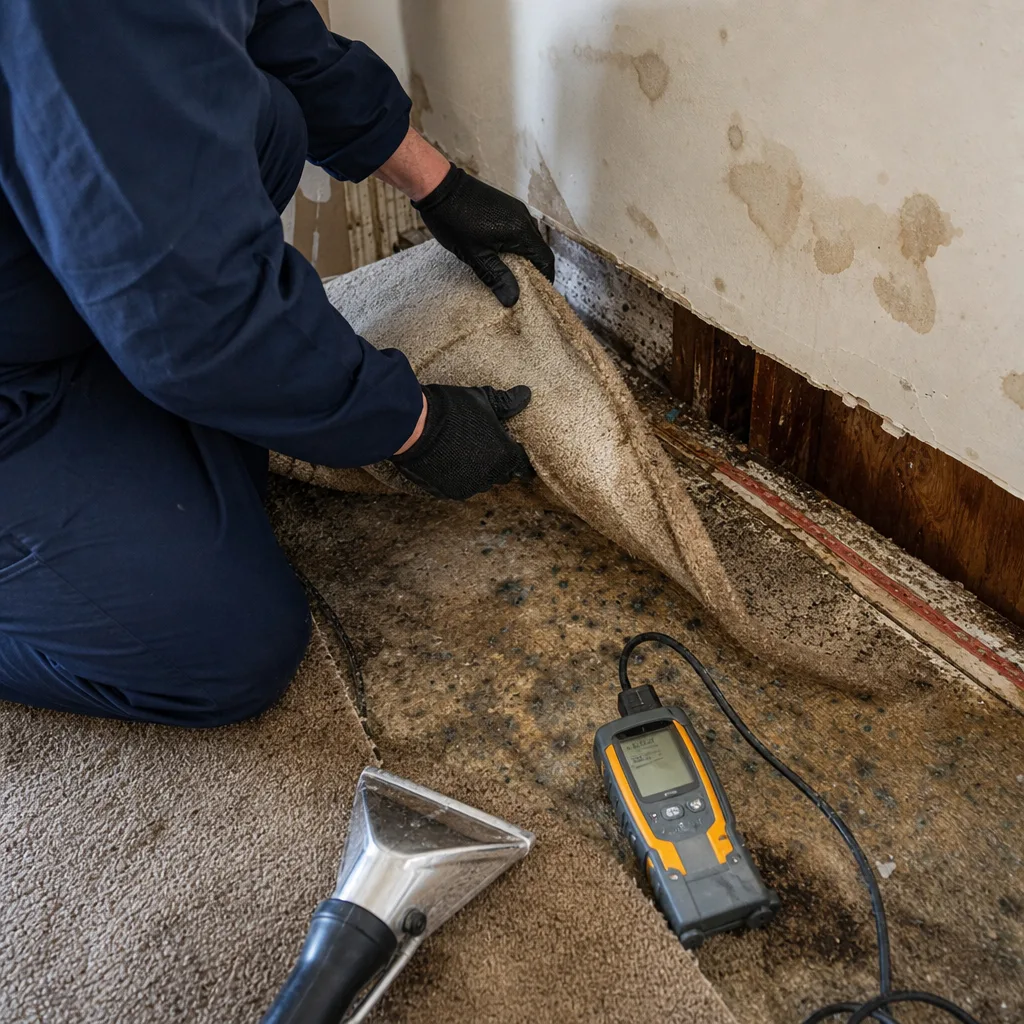
San Marcos sits on a mix of Hanford sandy loam and Vista clay loam, with clay content increasing toward the eastern neighborhoods near Discovery Lake and the university corridor. Clay soil expands when wet and contracts when dry. Poorly managed irrigation creates differential settlement - one corner of your slab drops while another holds, stressing supply lines, DWV pipes, and the slab itself.
Seasonal irrigation checks specific to San Marcos clay conditions:
- Spring startup (March): Run each zone individually and time to visible surface pooling. Clay soils in San Marcos should absorb 0.5-0.75 inches per hour. Pooling within 10 minutes indicates either overwatering, compacted soil, or a broken head creating a concentrated stream. Fix before summer expansion stress begins.
- Summer adjustment (June): Increase frequency, decrease duration. Two 15-minute cycles with 30-minute soak intervals beats one 30-minute cycle on clay. Deep, infrequent watering is advice for sandy soils; on San Marcos clay, it causes perched water tables against foundations.
- Fall reduction (October): Cut back before Santa Ana dryness. Many homeowners maintain summer schedules into fall, oversaturating clay that then contracts dramatically when the winds hit. This is when we see the most slab-related supply line failures in San Marcos.
- Winter shutdown (December-February): Drain backflow preventers and above-ground valves. Hard freezes are rare but occur; a cracked backflow preventer can flood a side yard for days before detection.
Foundation clearance: maintain 6-inch minimum between soil grade and weep screed on stucco, 8 inches on wood siding. Raised beds against the house are common in San Marcos and create chronic moisture loading. Move them 18 inches from the foundation or install a root barrier and drainage plane.
Document settlement: photograph existing cracks in drywall, tile, and exterior stucco with a ruler for scale. Re-photograph annually at the same angle. New diagonal cracks at door corners or window headers, especially after irrigation season changes, indicate differential movement that may precede slab leak development.
Documenting Pre-Loss Condition
A pre-loss record isn’t a home inventory video you made once in 2019. It’s a maintained, searchable, date-verified archive that an adjuster can navigate in 10 minutes and that holds up in subrogation or dispute.
Smartphone documentation protocol:
- File naming convention: YYYY-MM-DD_Location_Detail.jpg. Example: 2024-03-15_KitchenSink_UnderCabinet.jpg. This sorts chronologically in any file system and makes search functional.
- Shooting protocol: Wide establishing shot (show the room corner for location context), medium shot (show the specific area), close-up (show condition detail), and reference shot (moisture meter reading, ruler, or date stamp visible). Four photos minimum per location.
- Cloud storage with verification: Upload to Google Photos, iCloud, or Dropbox with automatic date retention. Do not rely on local phone storage or SD cards. Email key sets to yourself for timestamped third-party verification.
- Annual update cycle: Re-photograph every documented location each March. Compare to prior year. Archive old files in a separate folder rather than overwriting.
- Insurance coordination: Many carriers now accept pre-loss documentation through their apps or portals. Upload your annual set. If your carrier doesn’t offer this, maintain a shared folder with your agent’s email.
What to document beyond moisture readings: the make, model, and installation date of your water heater; the brand and rating of your washing machine supply lines; the condition of your dishwasher’s braided steel connection (failure point we see repeatedly in San Marcos); and any prior water damage repairs, with contractor name, date, and scope in writing.
Why this matters: when a San Marcos homeowner calls us for DryMark Restoration San Marcos home service, the first thing we ask is whether they have pre-loss photos. If they do, we can establish the scope of new damage versus pre-existing conditions in our first site visit. That documentation goes into our drying log, our written scope, and the claim file. Adjusters pay claims faster when they don’t have to argue about whether that stained baseboard was there before the pipe failed.
Seasonal Maintenance Schedule
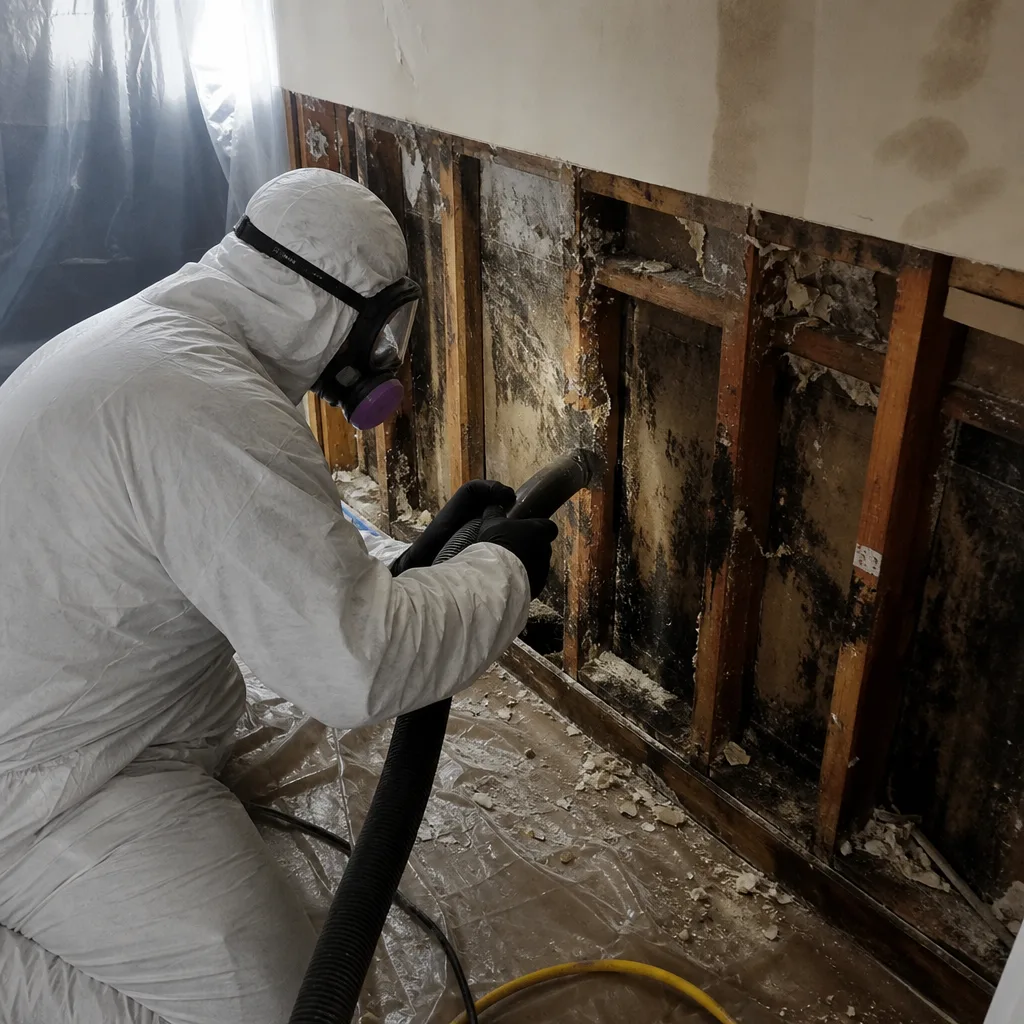
Checklists fail when they accumulate into an overwhelming annual task. Break this into quarterly actions tied to San Marcos climate patterns:
March (Spring)
- Record moisture baselines at all four locations
- Start irrigation system and test absorption rates per zone
- Inspect roof from ground after winter rains; schedule professional inspection if any Santa Ana damage was noted
- Photograph annual pre-loss documentation set
June (Early Summer)
- Adjust irrigation to split-cycle scheduling for clay soil
- Check under-sink readings; summer dryness should show lowest annual %WME
- Inspect supply line ferrules for mineral buildup; clean or replace as needed
- Verify water heater TPR valve discharge path is clear
September (Late Summer/Fall Transition)
- Prepare for Santa Ana season: secure or remove loose yard items that could damage roofing
- Inspect flashing mastic for thermal cracking
- Reduce irrigation pre-emptively before Santa Ana dryness begins
- Check attic readings; this is peak heat load and should show maximum seasonal readings
December (Winter)
- Drain irrigation backflow preventers and above-ground components
- Record final quarterly moisture baselines
- Review annual photo archive; note any changes requiring professional evaluation
- Schedule any deferred maintenance before holiday travel
Annual task (January): Review supply line inventory. Replace any braided steel lines exceeding 5 years, any plastic lines immediately, and any copper with measured wall thickness below 0.5mm.
Common Mistakes to Avoid
- Inspecting only what you can see. In San Marcos, the most damaging leaks start behind cabinets, inside walls, and under slabs. Visual inspection of exposed plumbing is necessary but not sufficient; moisture meter readings at access points are the actual diagnostic.
- Replacing supply lines with identical material without checking the date code. A new braided steel line from a big-box store may have sat in UV-exposed warehouse conditions for two years before you bought it. Check the date stamp; if absent, buy from a plumbing supply house with inventory rotation.
- Ignoring irrigation scheduling because “the timer works.” Working timers create more slab damage in San Marcos than broken ones, because they apply water on schedule regardless of soil moisture, weather, or season. Manual verification quarterly is minimum.
- Storing documentation only on your phone. Phones fail, are lost, or are replaced without full transfer. Cloud backup with third-party timestamp is the standard that adjusters and courts accept.
- Waiting for visible water before calling a professional. By the time water is visible, the damage path is 3-5 times larger than the visible area. Elevated moisture readings without visible water are the correct trigger for professional assessment.
- Using bleach on mold-discolored areas. Bleach on porous materials drives moisture deeper and can worsen fungal growth. In San Marcos, where marine layer humidity keeps surfaces damp morning hours, this is particularly counterproductive. Professional mold assessment follows IICRC S520 protocol for a reason.
- Accepting verbal estimates for water damage work. Haven Standard, Clause 1 exists because verbal pricing in restoration leads to scope creep and disputed invoices. A written price before work begins protects both parties.
When to Call a Professional
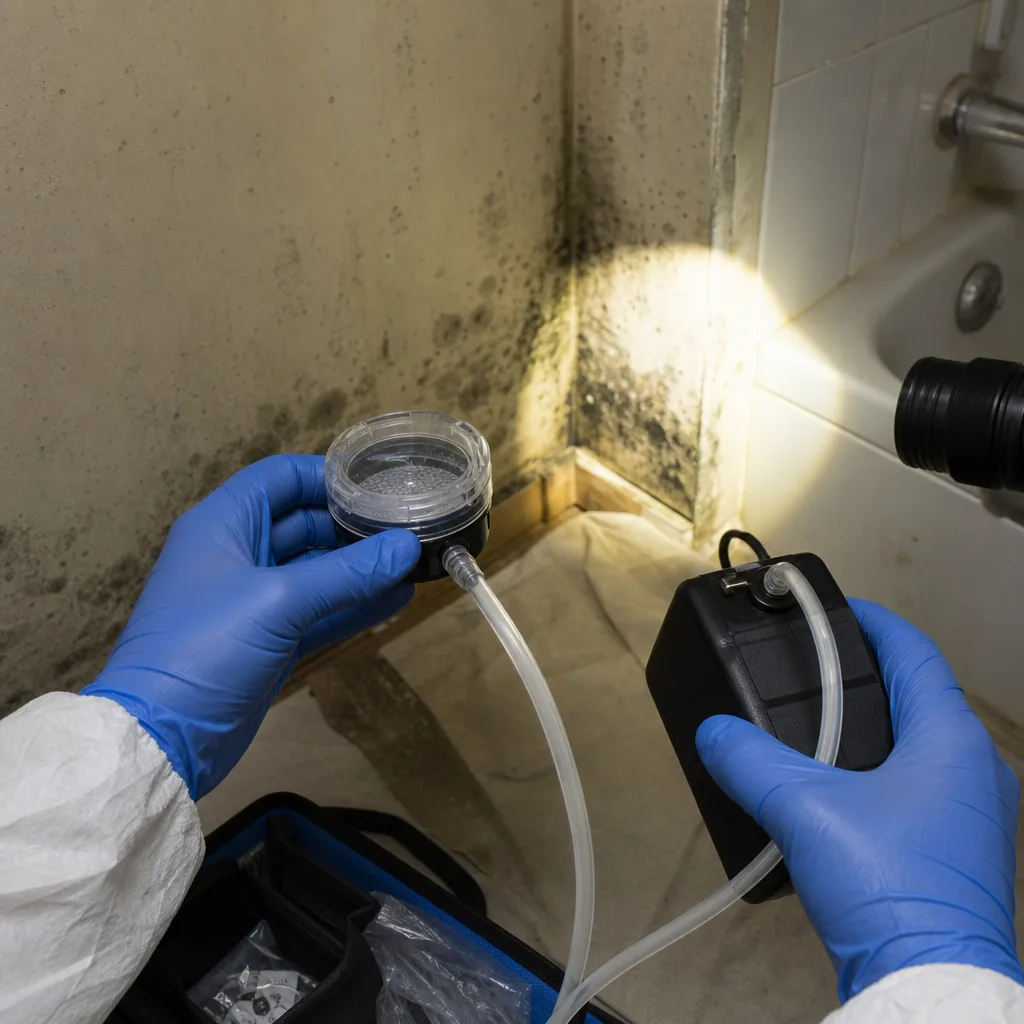
Call for professional assessment when: moisture readings exceed established baselines by more than 5% WME at any location; you discover active dripping, pooling, or staining you cannot source within 30 minutes; your water bill spikes 20% or more month-over-month without usage change; or you smell mustiness in conditioned spaces (indicates hidden growth, not surface mold).
For emergency situations - burst pipes, sewage backup, or fire suppression discharge - speed limits damage spread. Our live dispatch answers every call without voicemail trees, and we document every visit with photo records and written scopes under The Haven Standard.
DryMark Restoration San Marcos offers free estimates in San Marcos. For assessment of elevated readings, unexplained moisture, or post-event damage verification, call (858) 434-8474. We also provide a Free Second Opinion on any competitor’s written estimate - bring their scope and we’ll review it against IICRC, RIA, and IFA standards at no charge.
Frequently Asked Questions
A pinless moisture meter suitable for homeowner use costs $50-$80; pin-type meters with probe attachments run $80-$150 and offer greater accuracy for suspect areas. For San Marcos homeowners maintaining the checklist above, start with a pinless meter for quarterly baselines and add a pin-type if you encounter readings above 15% WME that need precise location. Call (858) 434-8474 if you’d like specific model recommendations based on your home’s construction era.
Insurance may still cover sudden and accidental water damage without pre-loss documentation, but you’ll face stronger scrutiny on whether the damage was gradual or pre-existing. Pre-loss documentation shifts the burden of proof; without it, you may spend weeks in dispute while secondary damage continues. Documented baselines are the single most effective tool for claim approval we’ve seen in 12,000+ homes restored since 2011. For projected expenses, see our Damage Restoration Cost Breakdown: The San Marcos Homeowner’s Reference for 2026.
Emergency response for active water flow is available 24 hours a day, 7 days a week with live person answering - no voicemail, no next-business-day callback while water is still moving. For non-emergency assessment of elevated readings, we typically schedule within 24-48 hours. Call (858) 434-8474 for current availability; estimates are free.
Surface drying with fans addresses visible water but not trapped moisture in wall cavities, subfloors, or insulation. In San Marcos, where marine layer humidity averages 70-80% morning hours during spring and fall, natural evaporation is too slow to prevent microbial growth. Professional drying with B-Air and Injectidry systems, documented to IICRC standards, creates the psychrometric data trail that insurers require and that protects against future mold claims.
At DryMark Restoration San Marcos, we coordinate directly with your adjuster - photo documentation, drying logs, and written scope are packaged for claim submission as standard deliverables, never upsells. Our documentation-first approach was built by a former claims adjuster who understood what makes an invoice payable without dispute. Haven Standard, Clause 1 requires written price before work begins, so there are no surprise charges for your adjuster to question.
San Marcos municipal supply at 7-12 grains per gallon accelerates mineral buildup at fittings and can mask corrosion on braided steel ferrules. It does not directly damage copper or PEX, but the mineral deposits it leaves can obscure early failure signs. Quarterly cleaning of visible fittings with a vinegar solution removes buildup and reveals underlying condition - part of why we specify this in the maintenance schedule above.
The Bottom Line
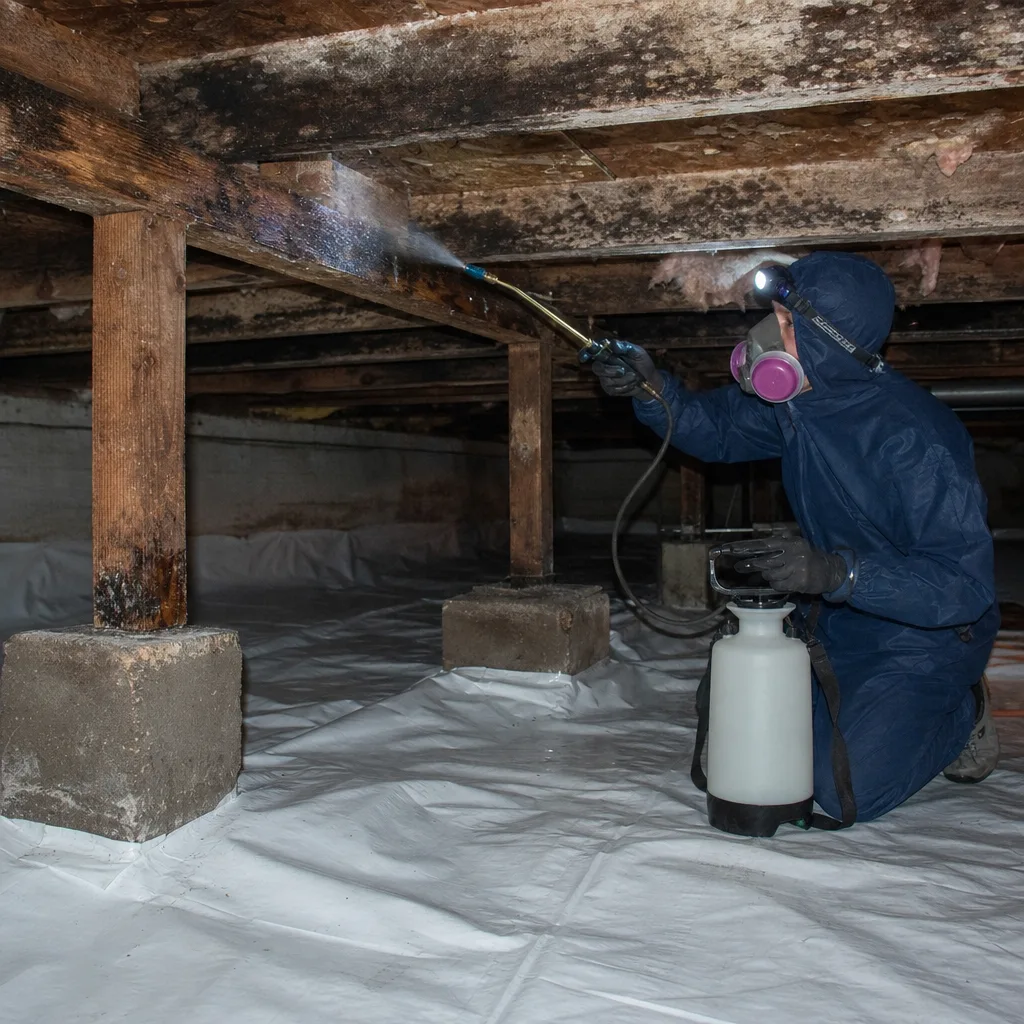
Water damage prevention in San Marcos is a numbers discipline, not a visual habit. Record quarterly %WME baselines. Replace supply lines on material-specific intervals, not appearance. Inspect roofing after Santa Ana triggers, not calendar dates. Manage irrigation for clay soil absorption rates, not lawn color. Document everything with dated, named, cloud-backed photos. These measurable habits create the pre-loss record that turns disputed claims into paid ones, and they catch failures before they become emergencies. The checklist above is built from the same documentation protocols we use on every fire & smoke damage restoration in San Marcos and water damage job - because evidence, not reassurance, is what protects your home’s value.
Written by Alicia Brennan, Owner at DryMark Restoration San Marcos, serving San Marcos since 2011. Explore more guides & resources on our blog.