
Last updated September 23, 2026
Free visual inspection and a written scope of work before any mitigation begins - photos, moisture readings, and drying logs go in your claim file
The scope we write is the scope we bill. Anything new gets shown to you, in writing, before we touch it.
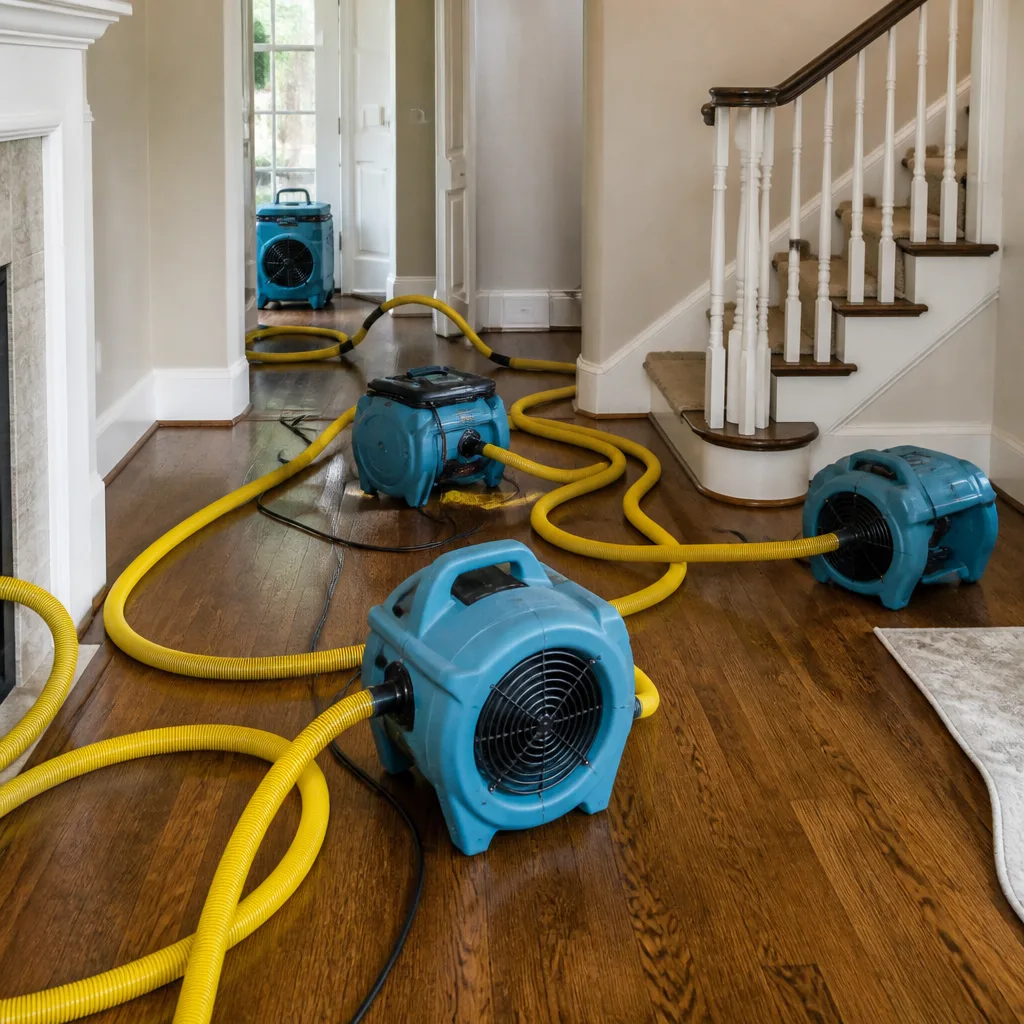


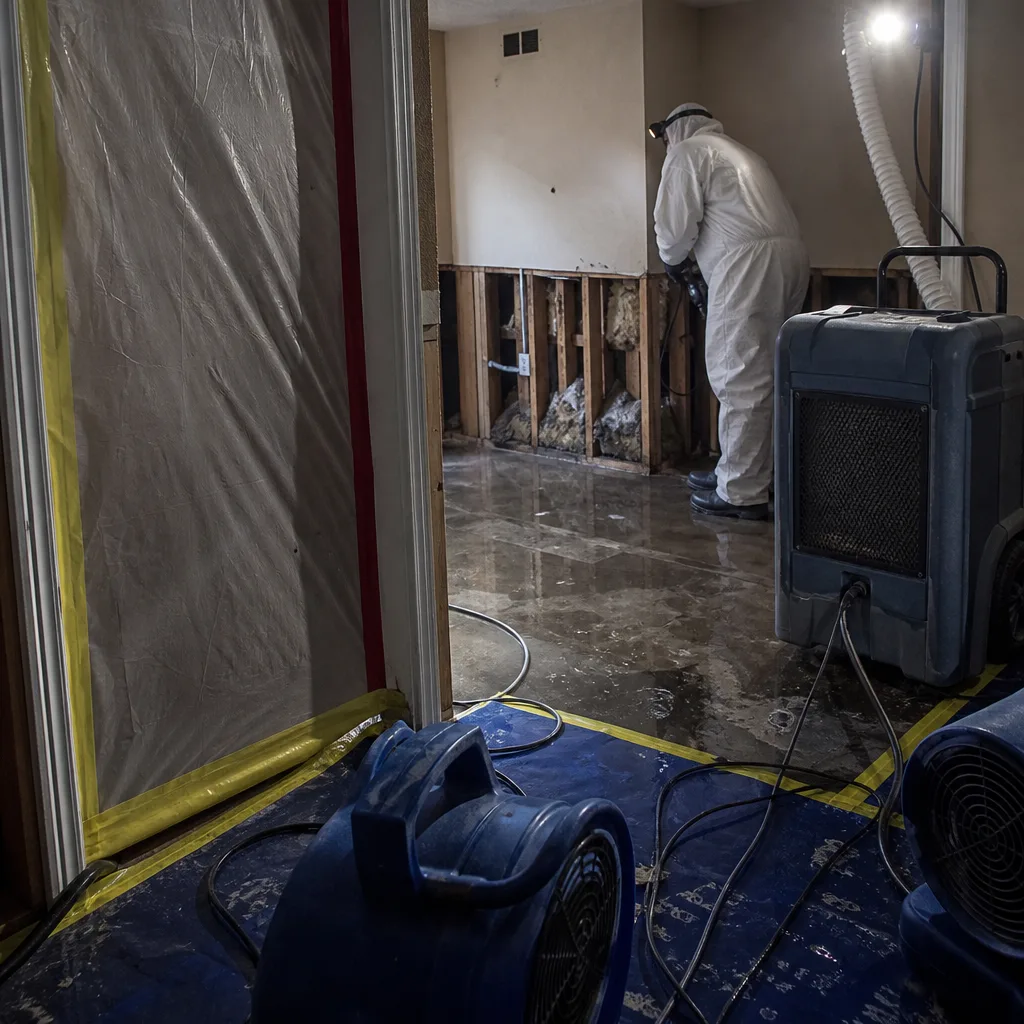 Before
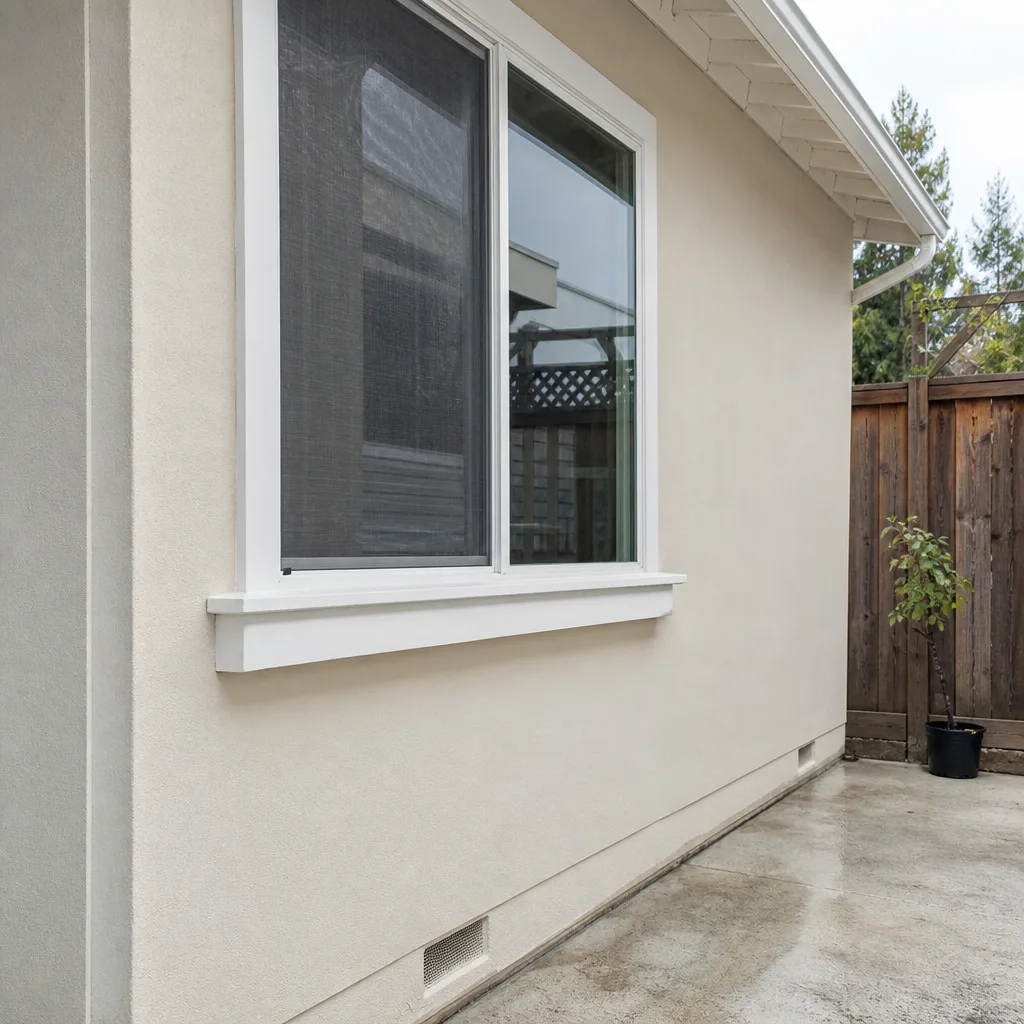 After
After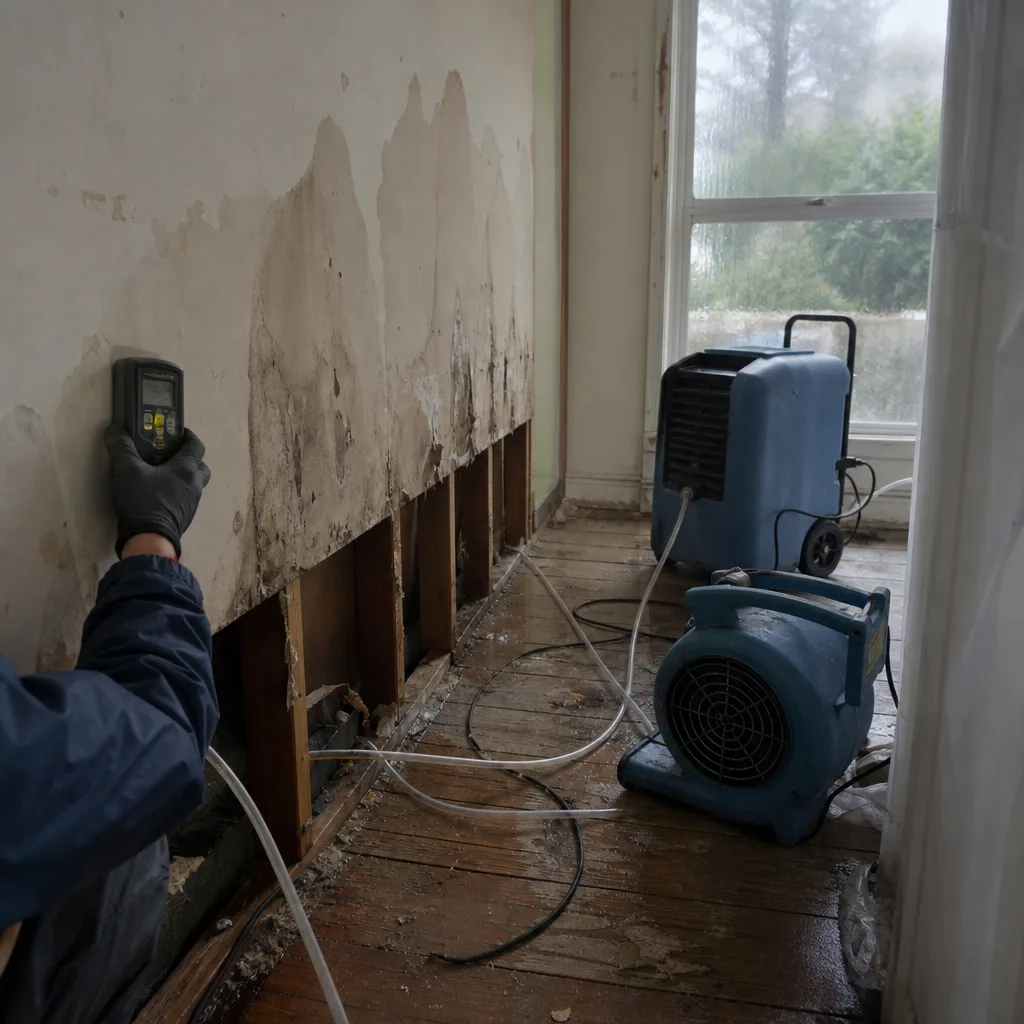 Before
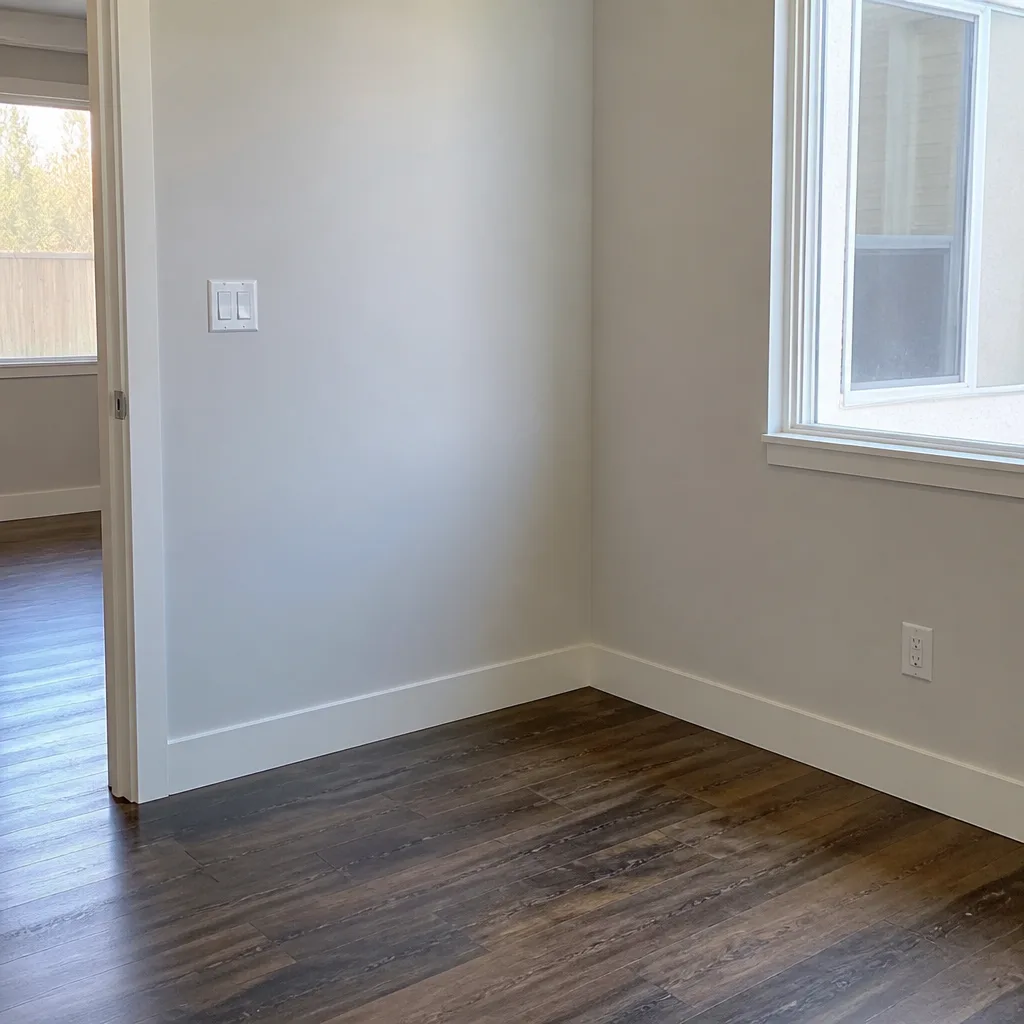 After
After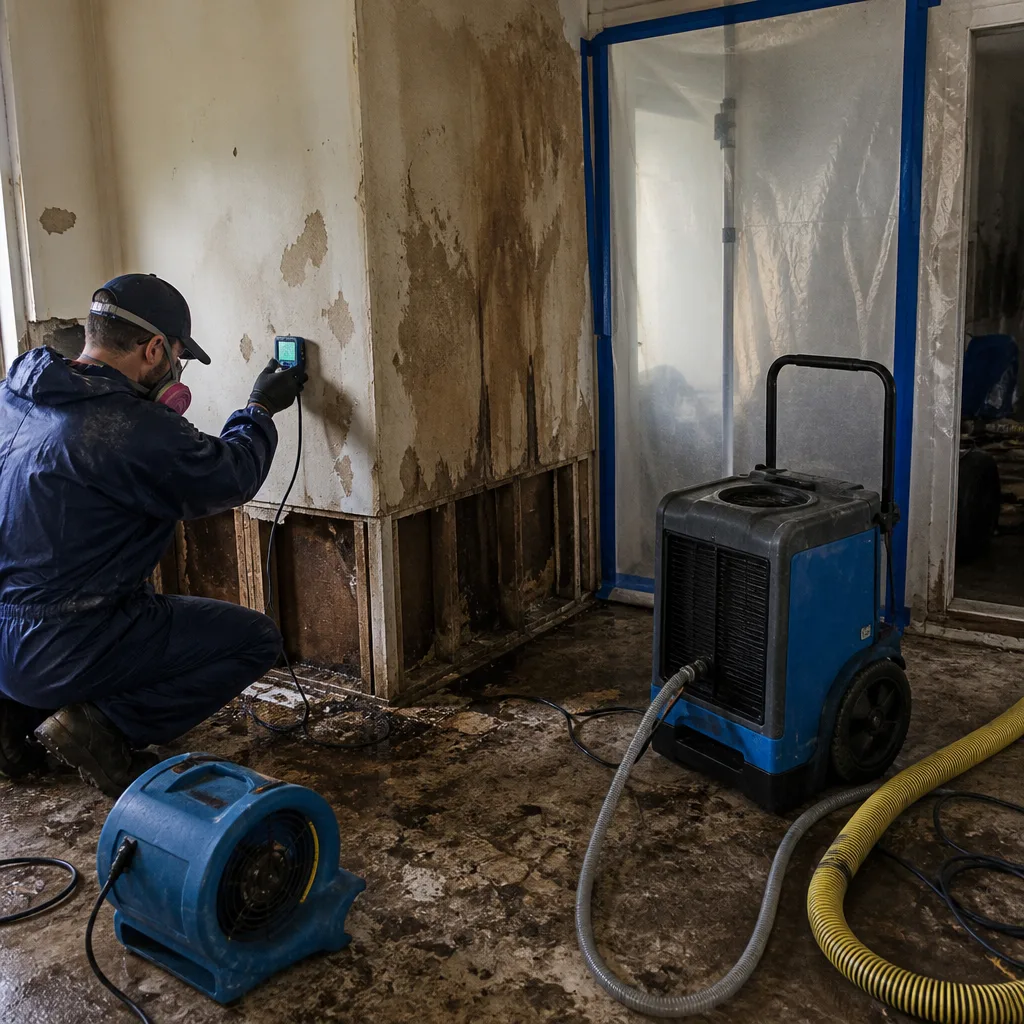 Before
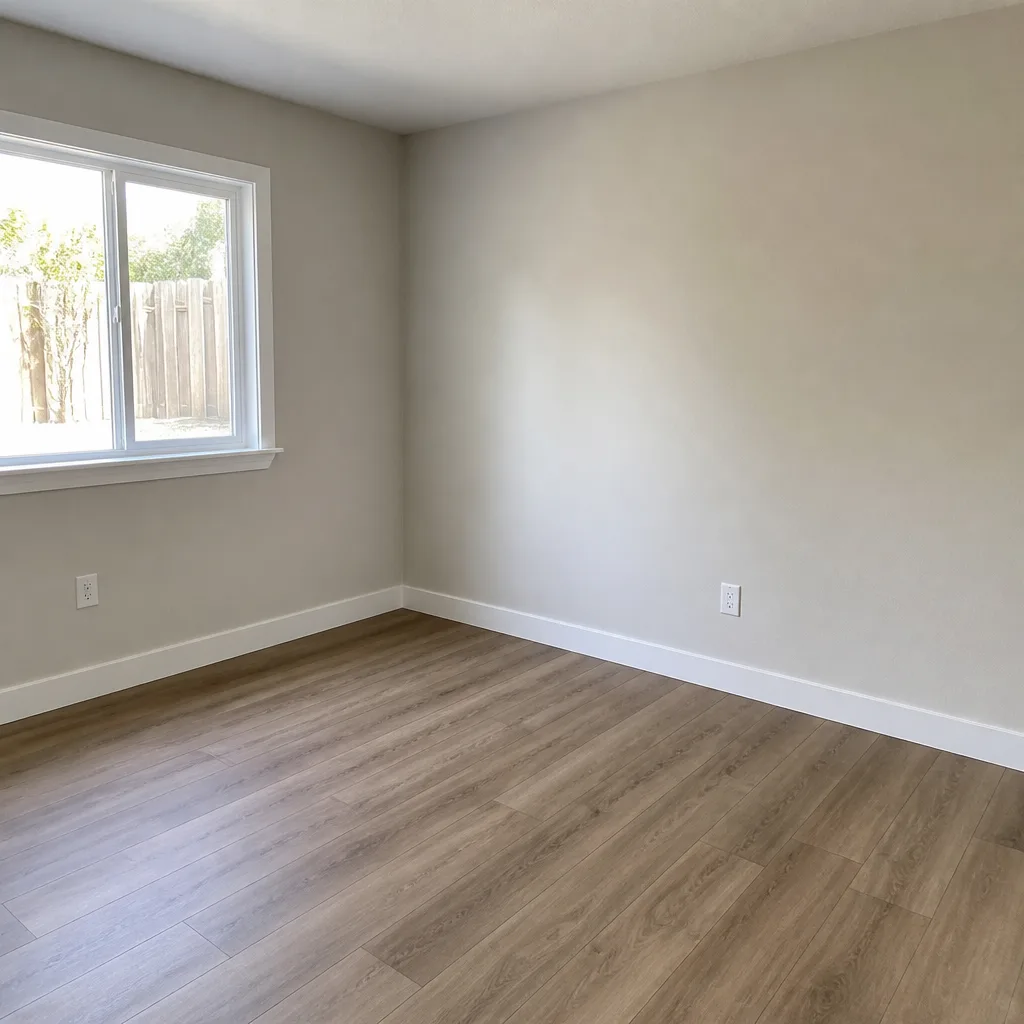 After
AfterDamage Restoration Permits, Codes & Inspections in CA: What You Need to Know
Three years after a San Marcos homeowner paid a contractor to remediate mold and replace drywall in a guest bathroom, the work came back to haunt them. Not as a leak, not as a stain. A buyer’s lender refused to fund the purchase until the homeowner produced permit records proving the repair met California Building Code. The contractor was long gone. The permit had never been pulled. The sale stalled for six weeks while the homeowner paid twice to open walls, re-inspect, and close them again. In California restoration work, permits are not bureaucratic overhead. They are the legal record that work was done to code, and without that record, an unpermitted repair can void a future insurance claim, stall a property sale, or create personal liability that outlasts the repair itself. This guide shows exactly when a permit is required and what the inspection trail should look like.
Quick Answer
Most structural repairs, electrical or plumbing modifications, and mold remediation requiring containment in California require permits from your local building department. In San Marcos, the San Marcos Building Division enforces these rules under the California Building Code, and contractors must pull permits before work begins, not after. Unpermitted restoration work can be red-tagged, require demolition for re-inspection, and expose homeowners to liability if the repair later fails.
Table of Contents
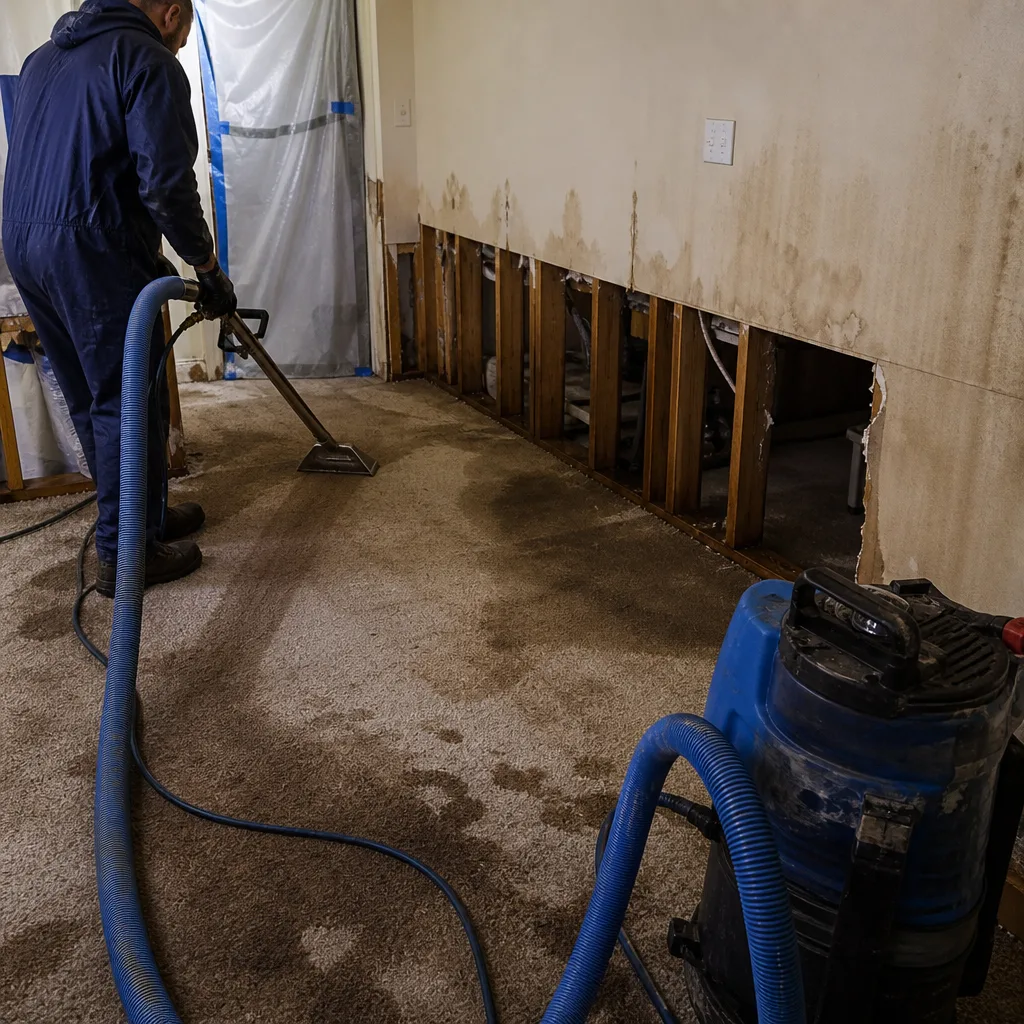
- When Permits Are Required for Restoration Work
- CSLB License vs. Building Permits: What’s the Difference
- Cal/OSHA Mold Regulations: The Permit Nobody Talks About
- The Inspection Sequence for Water Damage + Mold Jobs
- What Permit Records Do for Future Insurance Claims
- San Marcos Permit Process: Costs, Timelines, and Common Delays
- Common Mistakes to Avoid
- When to Call a Professional
- Frequently Asked Questions
BeforeAfterWhen Permits Are Required for Restoration Work
California Building Code Section 105.1 requires permits for construction, alteration, repair, or demolition of any building or structure. In restoration, this threshold is lower than most homeowners expect. The San Marcos Building Division applies these standards to every job within city limits, and the line between maintenance and permitted construction is not always intuitive.
Here is what triggers a permit in San Marcos:
- Drywall replacement exceeding 100 square feet in a single room, or any drywall replacement involving structural members or fire-rated assemblies. A standard 8-by-10-foot wall is 80 square feet; add a second wall and you’ve crossed the threshold.
- Structural drying requiring demolition of load-bearing materials, including subfloor removal, wall framing exposure, or ceiling joist access. The drying itself does not require a permit, but the reconstruction does.
- Electrical work of any kind: outlet relocation, temporary power for drying equipment, rewiring after water damage, or panel replacement. Even “like-for-like” replacement of a flooded outlet requires an electrical permit.
- Plumbing modifications beyond fixture replacement, including pipe rerouting, valve replacement behind walls, or supply line repairs in concealed spaces.
- Mold remediation requiring containment barriers in areas over 100 square feet, or any remediation involving HVAC system disturbance. The San Marcos Building Division coordinates with San Diego County Air Pollution Control District on these jobs.
- Fire damage repair involving structural members, fire-rated assemblies, or smoke-damaged framing. The California Residential Code requires re-inspection of fire-rated materials.
What does not require a permit? Surface cleaning, carpet removal and replacement (without subfloor work), non-structural content pack-out, and emergency water extraction before materials are opened. The critical distinction is whether the work alters or conceals building systems that affect life safety, structural integrity, or fire resistance.
In our experience across San Marcos neighborhoods from Discovery Hills to Lake San Marcos, the most common permit trigger is the combination job: water damage that requires structural drying, which reveals mold, which requires drywall removal, which exposes electrical or plumbing. By the time a homeowner realizes permits are needed, the crew has already opened walls. The San Marcos Building Division can issue a stop-work order in these cases, and we’ve seen jobs red-tagged until the permit application is submitted and approved.
The permit application requires a scope of work, contractor license number, and often engineered drawings for structural repairs. At DryMark Restoration San Marcos, we prepare this documentation before the first wall is opened. Haven Standard, Clause 1 requires a written price before work begins; that same scope document becomes the basis for the permit application.
CSLB License vs. Building Permits: What’s the Difference
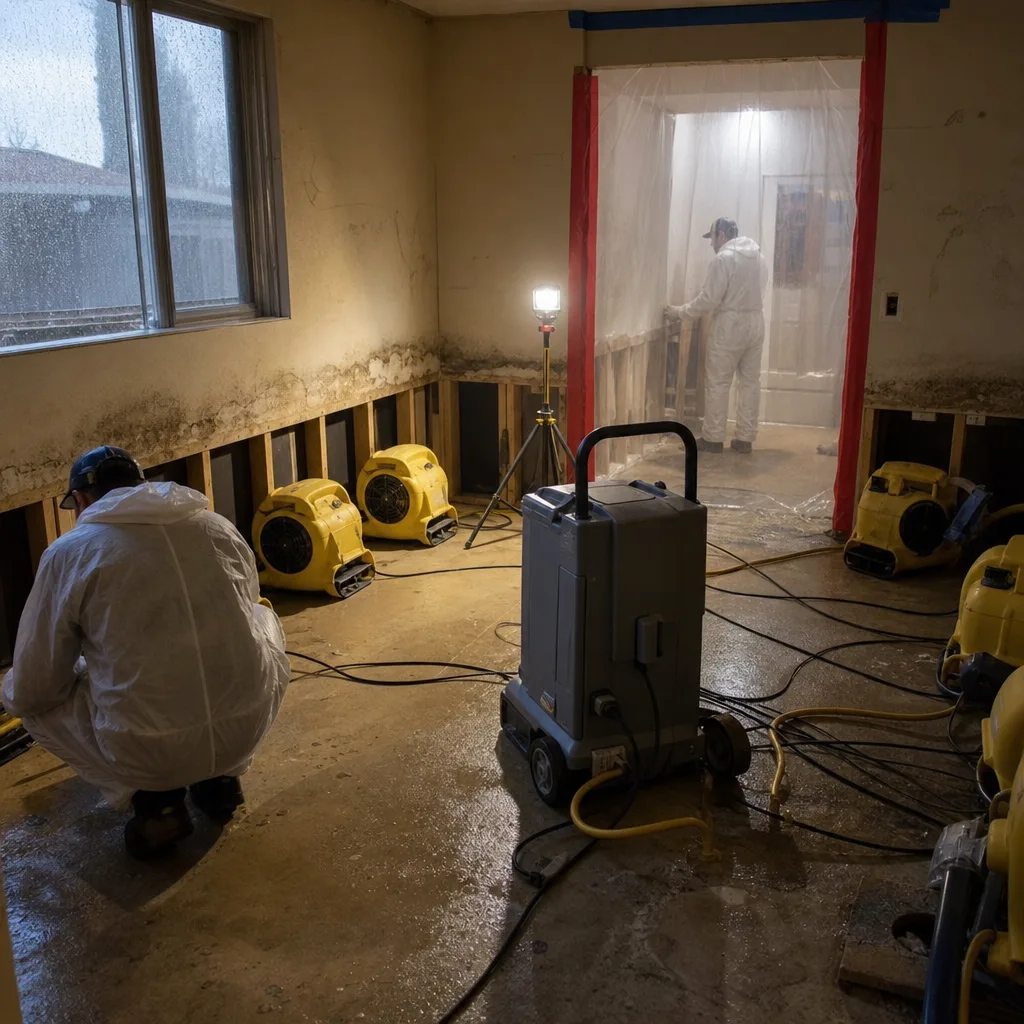
A California State License Board (CSLB) contractor license authorizes a business to perform construction work in a specific trade. It is not a permit, and it does not replace a permit. This distinction costs homeowners thousands of dollars in delayed work and re-inspection fees.
The CSLB issues licenses by classification: B-General Building, C-36 Plumbing, C-10 Electrical, C-20 Warm-Air Heating, Ventilating and Air Conditioning, and others. A restoration contractor typically holds a B license with C-36 and C-10 certifications, or employs subcontractors with those classifications. The license proves the contractor has passed trade examinations, carries required bonding and insurance, and maintains workers’ compensation coverage.
The building permit is jurisdiction-specific authorization from the local building department, in San Marcos from the San Marcos Building Division. It triggers plan review, fee assessment, and scheduled inspections. The permit creates the official record that work was inspected and approved.
Whose responsibility is it to pull the permit? California Business and Professions Code Section 7115 states that the licensed contractor performing the work must obtain the permit. A homeowner can pull an owner-builder permit, but this voids the contractor’s workers’ compensation coverage for that job and transfers liability to the homeowner. In 12,000+ homes restored since 2011, we have never asked a homeowner to pull their own permit. The Haven Standard requires that our license number appears on every permit application, and that our name is listed as the responsible party.
Red flags we’ve encountered in San Marcos:
- A contractor who says “we’re licensed, so we don’t need permits.” The CSLB can be contacted at (858) 434-8474 to verify whether a contractor’s license is active and in good standing.
- A contractor who asks the homeowner to “save money” by pulling an owner-builder permit. This is a liability transfer, not a savings.
- A contractor who begins work and promises to “pull the permit later.” Permits must be posted before work begins. Post-dated permits are invalid and can result in demolition orders.
The San Marcos Building Division maintains online permit lookup at the city’s website. We provide every customer with their permit number and inspection schedule as part of our standard documentation package.
Cal/OSHA Mold Regulations: The Permit Nobody Talks About
While building permits govern construction quality, Cal/OSHA Title 8, Section 5141.1 governs worker protection during mold remediation. This regulation creates a parallel compliance requirement that sits entirely outside the building permit system, and many contractors, including some licensed ones, operate in violation of it.
Section 5141.1 requires employers to protect workers from mold exposure through engineering controls, work practices, and personal protective equipment. For restoration work, this translates to specific operational requirements:
- Exposure assessment before work begins. The employer must evaluate the type and quantity of mold, the work methods to be used, and the expected exposure duration. This is not a guess; it is a documented evaluation that must be maintained for employee medical surveillance purposes.
- Containment for any remediation exceeding 100 square feet of contiguous mold growth. Negative air pressure, HEPA filtration, and sealed barriers are required. The containment must be inspected before work begins and verified intact after each work shift.
- Respiratory protection at minimum N-95 for limited exposure, escalating to half-face or full-face respirators with P-100 filters for extensive remediation. Fit testing and medical clearance are required annually.
- Written compliance program for jobs where exposure cannot be reduced below permissible limits by other means. This program must be available to workers and to Cal/OSHA inspectors on request.
The critical point: Cal/OSHA compliance is not optional because a building permit was not required. A small bathroom mold job with 25 square feet of growth and no building permit still requires respiratory protection, containment if disturbance will aerosolize spores, and documented exposure assessment. A contractor who skips these steps exposes workers to citation and exposes the homeowner to liability if a worker later claims occupational illness.
In San Marcos, where coastal humidity from the Pacific and inland heat from the San Marcos hills create rapid mold amplification conditions, we see this violation frequently. Contractors open walls without containment, run fans without HEPA filtration, and send workers into contaminated spaces with dust masks. The Haven Standard requires documented compliance with Section 5141.1 on every mold job, permit or no permit. Our daily logs include containment verification photos, respirator fit test dates, and equipment serial numbers from our Dri-Eaz and Phoenix HEPA air scrubbers.
Homeowners should ask to see the contractor’s written compliance program before mold work begins. A contractor who cannot produce it is not following California law, regardless of their CSLB license status.
The Inspection Sequence for Water Damage + Mold Jobs
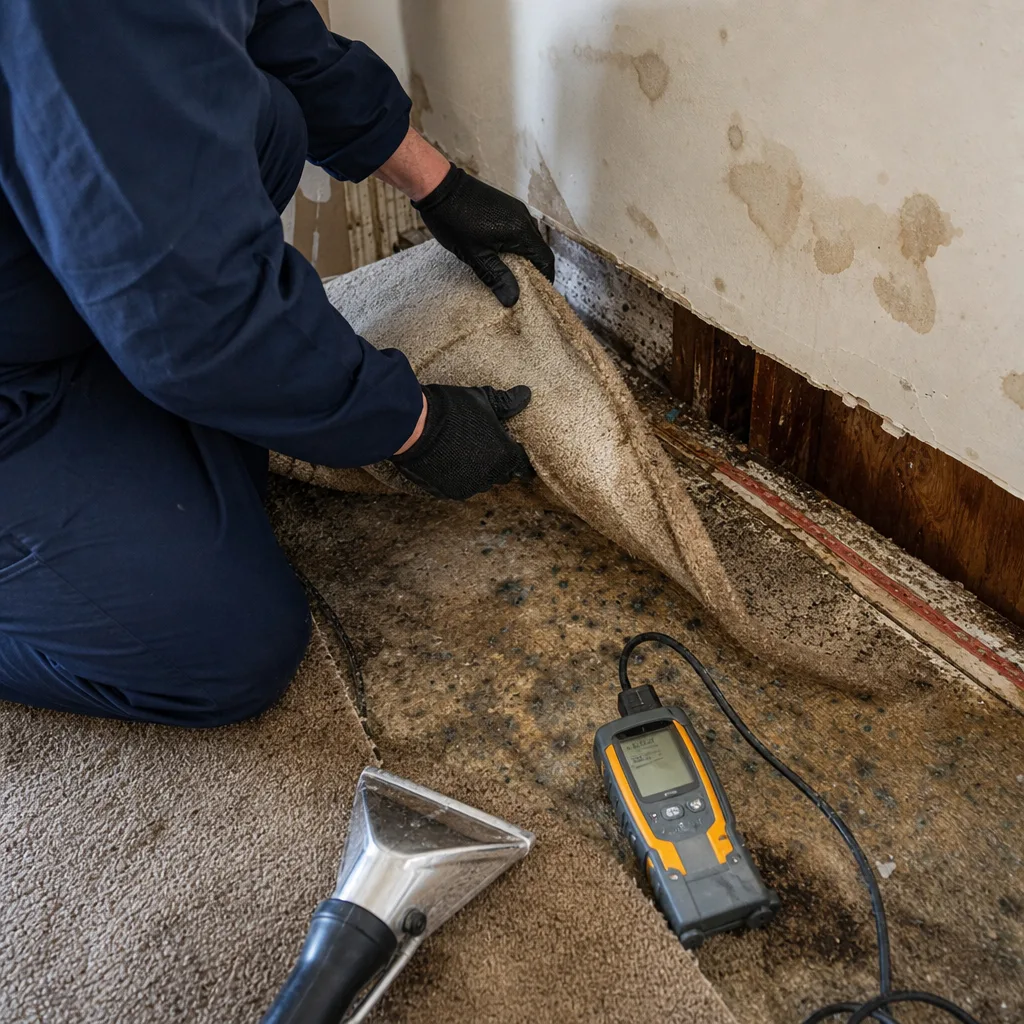
The typical water damage and mold remediation job in San Marcos requires multiple inspections, each with specific timing requirements. Missing an inspection window means opening completed work for re-inspection, at the homeowner’s expense.
Phase 1: Emergency Mitigation (No Permit Required)
Water extraction, initial moisture mapping, and equipment placement for structural drying do not require permits. We document this phase with photo records, psychrometric readings (temperature, relative humidity, and vapor pressure differential, which is the force that drives moisture from wet materials into the air), and daily moisture content logs measured with penetrating and non-penetrating meters. This documentation serves two purposes: it proves drying progress to the insurance adjuster, and it establishes the pre-existing condition before any structural work begins.
Phase 2: Pre-Remediation Inspection (Building Permit Application)
Once the scope includes drywall removal, subfloor exposure, or mold remediation with containment, the permit application is submitted. The San Marcos Building Division requires:
- Completed application with contractor license number
- Scope of work describing affected areas and repair methods
- Structural drawings if load-bearing members are involved
- Fee payment based on valuation of work
Permit issuance typically takes 3-5 business days for standard restoration work, 10-14 days if structural engineering review is required. We do not begin demolition until the permit is posted on site.
Phase 3: Rough-In Inspection
This is the inspection most commonly missed, and the most expensive to recover from. The rough-in inspection occurs after damaged materials are removed and before new materials are installed. The inspector verifies:
- Extent of damage matches permit scope
- Structural members are properly sistered or replaced
- Electical rough-in meets code (boxes secured, wiring stapled, grounds continuous)
- Plumbing rough-in is pressure-tested
- Mold remediation is complete and verified by clearance sampling (if required by scope)
If drywall is installed before rough-in inspection, the inspector can require removal. In San Marcos, this means cutting open finished walls, scheduling re-inspection, and refinishing. The cost typically exceeds $2,000 for a single room.
Phase 4: Final Inspection
After all work is complete, the final inspection verifies code compliance of finished work. The inspector checks electrical device installation, plumbing fixture function, drywall finish quality, and structural repair integrity. Passing final inspection generates the Certificate of Occupancy or Certificate of Completion, which is the document lenders and future buyers will request.
We schedule inspections around our drying equipment. Phoenix and XPOWER dehumidifiers often remain in place through rough-in inspection; they are removed before final inspection if the permit scope includes only reconstruction. The photo record on every visit includes permit posting, inspector presence, and inspection result documentation.
What Permit Records Do for Future Insurance Claims
The permit record is not merely a bureaucratic stamp. It is evidence that shifts legal liability if a repair later fails, and it is the documentation that future insurance carriers will review when underwriting or adjusting claims.
Consider the scenario: a homeowner in San Marcos has water damage repaired in 2024. The contractor replaces subfloor and drywall without permits. In 2027, a new leak occurs in the same area. The homeowner files an insurance claim. The carrier’s adjuster discovers the 2024 repair was unpermitted. The carrier denies the claim, arguing that the prior unpermitted work may have contributed to the new damage, and that the homeowner assumed liability by failing to ensure code-compliant repair.
This is not theoretical. We have reviewed denied claims where the sole basis for denial was unpermitted prior work. The homeowner’s recourse is to sue the original contractor, who may be unlicensed, uninsured, or dissolved.
Conversely, a permitted repair creates a chain of documented compliance:
- The permit application establishes the scope and the licensed contractor responsible
- The rough-in inspection verifies work in progress met code
- The final inspection verifies completion to code
- The certificate of completion is recorded with the San Marcos Building Division
If that 2027 leak occurs, the homeowner produces the permit record. The insurance carrier’s duty to defend is triggered; the prior work was inspected and approved, so the homeowner did not assume liability for defective repair. The carrier must pay the claim and pursue the original contractor or their insurer if negligence is suspected.
For property sales, the permit record is equally critical. California Civil Code Section 1102 requires disclosure of unpermitted work. A seller who fails to disclose faces rescission claims and damages. A buyer’s lender, particularly in San Marcos where conforming loan limits and jumbo financing are common, will require permit verification for any work affecting structural, electrical, plumbing, or HVAC systems. The permit record is the proof that satisfies this requirement.
At DryMark Restoration San Marcos, every job file includes permit numbers, inspection dates, and final certificates. We provide these to homeowners at completion and maintain copies for ten years. The Haven Standard requires this documentation as a standard deliverable, never an upsell.
San Marcos Permit Process: Costs, Timelines, and Common Delays
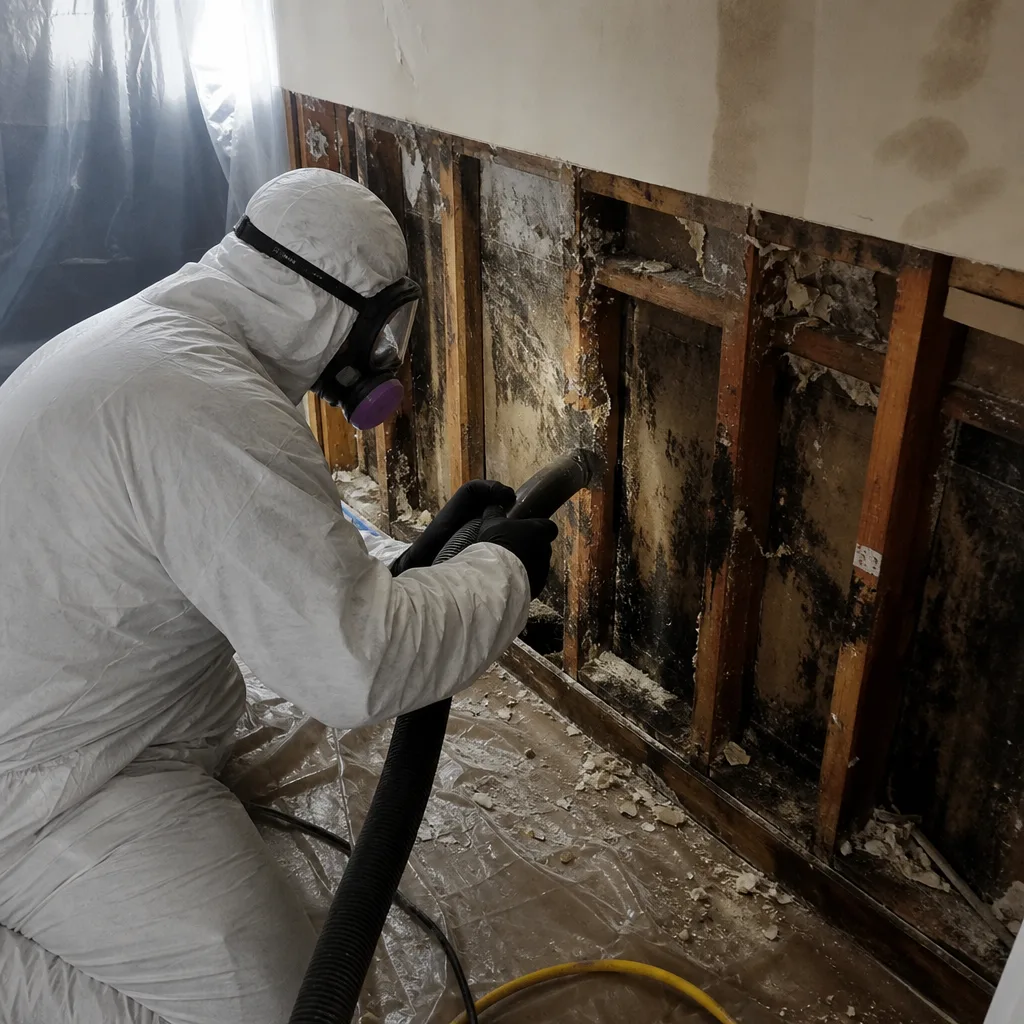
The San Marcos Building Division operates under the California Building Code with local amendments specific to San Diego County’s seismic zone, fire hazard severity, and coastal air quality requirements. Understanding this local process prevents delays that extend temporary housing costs and insurance additional living expense limits.
Permit Fees
San Marcos calculates permit fees based on valuation of work. For typical restoration jobs:
- Water damage repair with drywall replacement, electrical, and plumbing: $400-$800 in permit fees
- Mold remediation with containment and reconstruction: $500-$1,200
- Fire damage with structural repair: $800-$2,500, depending on engineering requirements
- Re-roofing or exterior damage from storm: $300-$600
These fees are separate from plan check fees, which apply to jobs requiring engineered drawings. The San Marcos Building Division accepts online application for most restoration permits, but fire damage and structural repair typically require in-person submission.
Timeline
Standard restoration permit: 3-5 business days for issuance after complete application. Plan check for structural repairs: 10-14 business days. Inspection scheduling: typically 24-48 hours for rough-in, same-day scheduling sometimes available for final inspection if called before 10 AM.
Common delays we encounter:
- Incomplete scope descriptions. “Repair water damage” is insufficient. The application must specify square footage, affected rooms, materials to be removed and replaced, and trades involved. Our written price before work begins, Haven Standard Clause 1, becomes the permit scope document.
- Contractor license issues. If the license is in renewal pending status, or if workers’ compensation is not current, the permit is held until CSLB records are updated. We verify license status before every application.
- Historical property requirements. San Marcos has properties in historic districts where exterior work requires additional review. Lake San Marcos and Old Creek Ranch areas sometimes trigger this requirement.
- Fire department coordination. Jobs involving fire-rated assemblies or sprinkler modification require San Marcos Fire Department plan check, adding 5-7 business days.
- HOA notification. While not a building department requirement, many San Marcos HOAs require permit documentation before work begins. We coordinate this notification as part of our standard process.
The San Marcos Building Division is located at 1 Civic Center Drive and accepts permit applications Monday through Thursday, 7:30 AM to 5:30 PM, closed alternate Fridays. Online inspection scheduling is available through the city’s contractor portal.
In our experience, the single largest avoidable delay is starting work before permit issuance. A contractor who opens walls on Monday and submits the permit Tuesday is working illegally. If an inspector drives by and sees active work without a posted permit, the job is red-tagged. The crew stops. The homeowner pays for standby time. The permit must then be submitted, reviewed, and issued before work resumes. We have seen this delay add two weeks to a five-day job.
Common Mistakes to Avoid
- Assuming the contractor pulled permits. Verify permit posting before work begins. The permit placard must be visible from the street. In San Marcos, you can verify active permits online with the property address.
- Accepting “permit not required” without verification. Ask specifically which code section exempts the work. A contractor who cannot cite California Building Code Section 105.1 or local amendment is guessing, not stating fact.
- Skipping rough-in inspection to save time. The 24-hour delay for rough-in inspection prevents the two-week delay of opening finished work for re-inspection. There is no legitimate reason to skip it.
- Failing to obtain final certificate. The permit is not closed until final inspection passes and the certificate is issued. Open permits appear in property records and can stall sales.
- Ignoring Cal/OSHA compliance on small mold jobs. Even 25 square feet of mold disturbance requires exposure assessment and respiratory protection. A contractor who dismisses this is violating worker protection law.
- Not documenting permit numbers for insurance. Your insurance claim file should include permit numbers, inspection dates, and final certificates. This documentation supports your claim if the repair is later challenged.
- Hiring unlicensed contractors for emergency work. California requires CSLB licensing for any construction work over $500 in labor and materials. The emergency exception does not exist. An unlicensed contractor cannot pull permits and cannot be held accountable through the CSLB complaint process.
When to Call a Professional
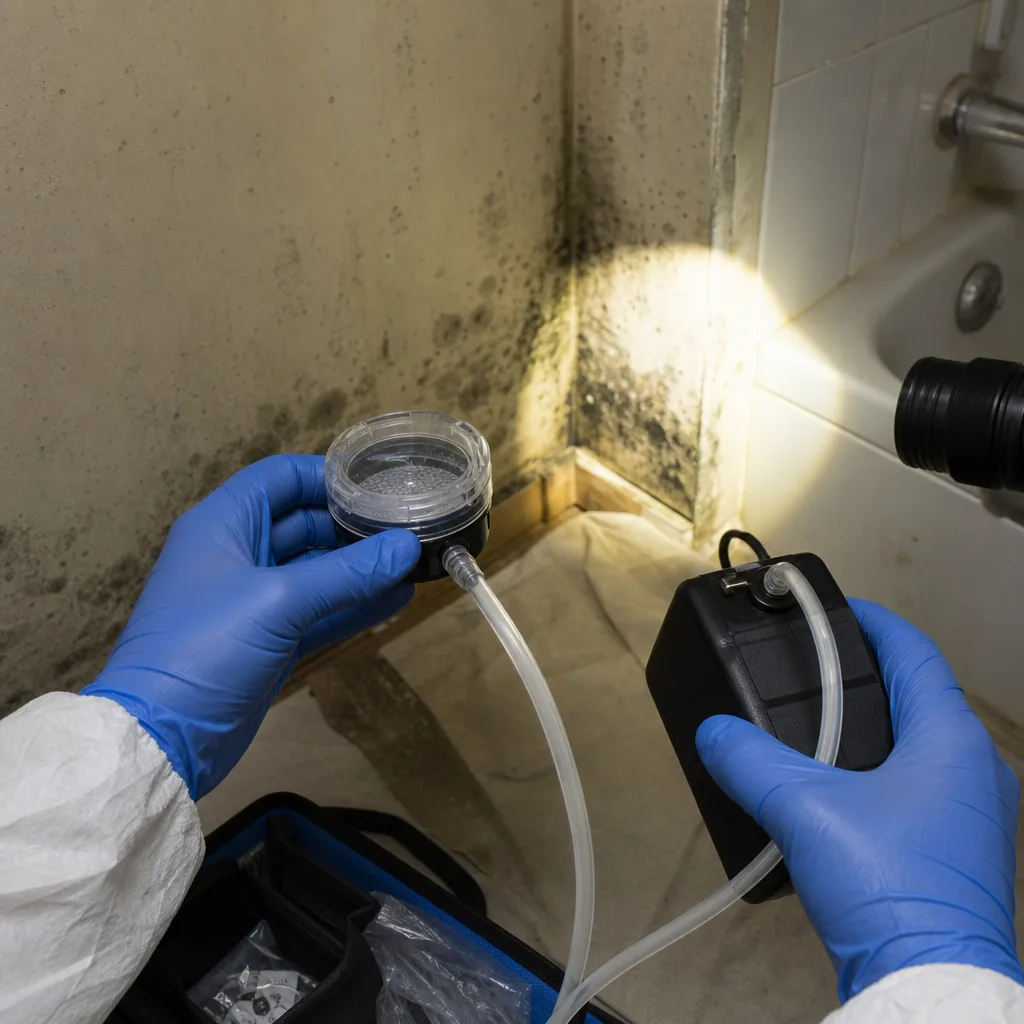
Call a licensed restoration contractor before walls are opened, before equipment is placed, and before any commitment is made to a scope of work. The decisions made in the first four hours after water damage, fire damage, or mold discovery determine whether the job proceeds with proper documentation or accumulates hidden liability. Explore more guides & resources on protecting your property.
Specific scenarios requiring immediate professional assessment:
- Water damage affecting multiple rooms, any ceiling, or any wall with electrical outlets
- Mold visible on more than one surface, or mold with any musty odor indicating hidden growth
- Fire damage with structural compromise, smoke staining on multiple levels, or HVAC system involvement
- Any damage in a home you intend to sell within five years
- Any damage in a home with a mortgage requiring hazard insurance
DryMark Restoration San Marcos offers free estimates in San Marcos. We provide a written price before work begins, every time, with no exceptions - Haven Standard, Clause 1. Our estimates include permit requirements, inspection scheduling, and documentation deliverables. Call (858) 434-8474 for assessment.
Frequently Asked Questions
Water extraction and drying equipment placement do not require permits, but drywall replacement exceeding 100 square feet, electrical or plumbing repair, and subfloor replacement do require permits from the San Marcos Building Division. We determine permit requirements during our initial assessment and include them in our written scope. Call (858) 434-8474 for a free estimate that specifies your permit needs.
Surface cleaning of limited mold on non-porous materials does not require a permit, but any containment, demolition, or HVAC disturbance requires a building permit if over 100 square feet, and Cal/OSHA respiratory protection requirements apply regardless of size. Most homeowners lack the equipment and training for legal compliance. We use HEPA containment with Dri-Eaz and Phoenix air scrubbers, documented to IICRC and Cal/OSHA standards.
Most homeowners insurance policies cover permit fees as part of the repair cost, but only if the permit is pulled as part of a covered claim and documented in the scope. Unpermitted work discovered after the fact is typically not covered. We document permit fees in our written price before work begins and coordinate directly with adjusters for approval.
Standard restoration permits issue in 3-5 business days; structural repairs requiring engineering review take 10-14 business days. Inspections schedule within 24-48 hours. The most common delay is incomplete application scope descriptions. Our written price documents become the permit application scope, preventing this delay.
Unpermitted work must be disclosed in California property sales. Remediation options include retroactive permitting (requiring opening walls for inspection), legal disclosure with price adjustment, or in some cases, demolition and reconstruction. We offer free second opinions on any written estimate for addressing unpermitted work, including competitor quotes.
The licensed contractor is legally responsible for permit compliance under California Business and Professions Code Section 7115. However, the homeowner bears practical consequences: red-tag stop-work orders, sale delays, and potential claim denials. Verify permit posting before work begins and confirm final certificate issuance before final payment.
The Bottom Line
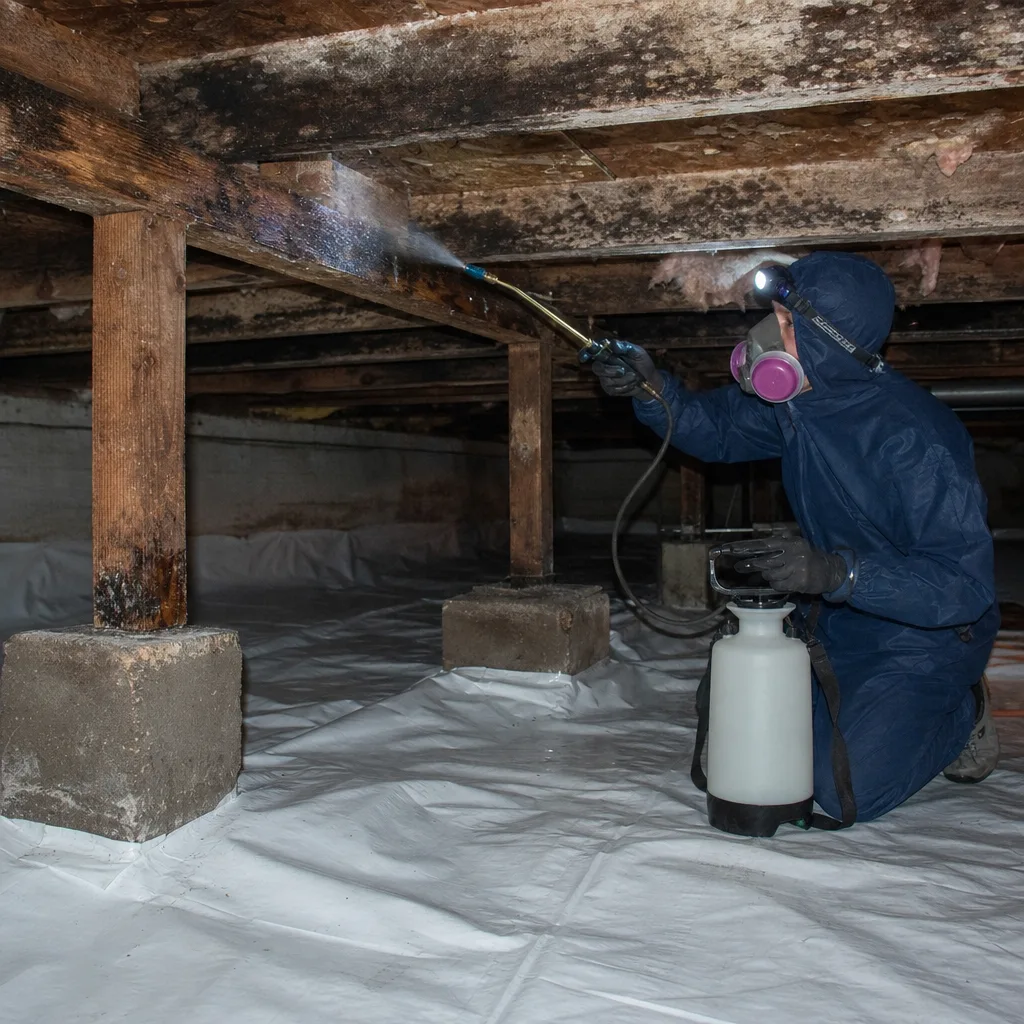
Permits in California restoration work are the legal proof that repairs meet code, were inspected by qualified officials, and transfer liability appropriately if failure occurs later. The San Marcos Building Division enforces these requirements under the California Building Code, and compliance is not optional regardless of job size or urgency. The inspection sequence - permit application, rough-in inspection, final inspection, certificate issuance - creates the documentation trail that protects insurance claims, property sales, and homeowner liability. Contractors who skip permits save hours and cost homeowners years. The documentation-first approach, with written prices before work begins and permit records maintained for every job, is the standard we have applied since 2011.
Written by Alicia Brennan, Owner at DryMark Restoration San Marcos, serving San Marcos since 2011.