
Last updated September 23, 2026
Free visual inspection and a written scope of work before any mitigation begins - photos, moisture readings, and drying logs go in your claim file
The scope we write is the scope we bill. Anything new gets shown to you, in writing, before we touch it.
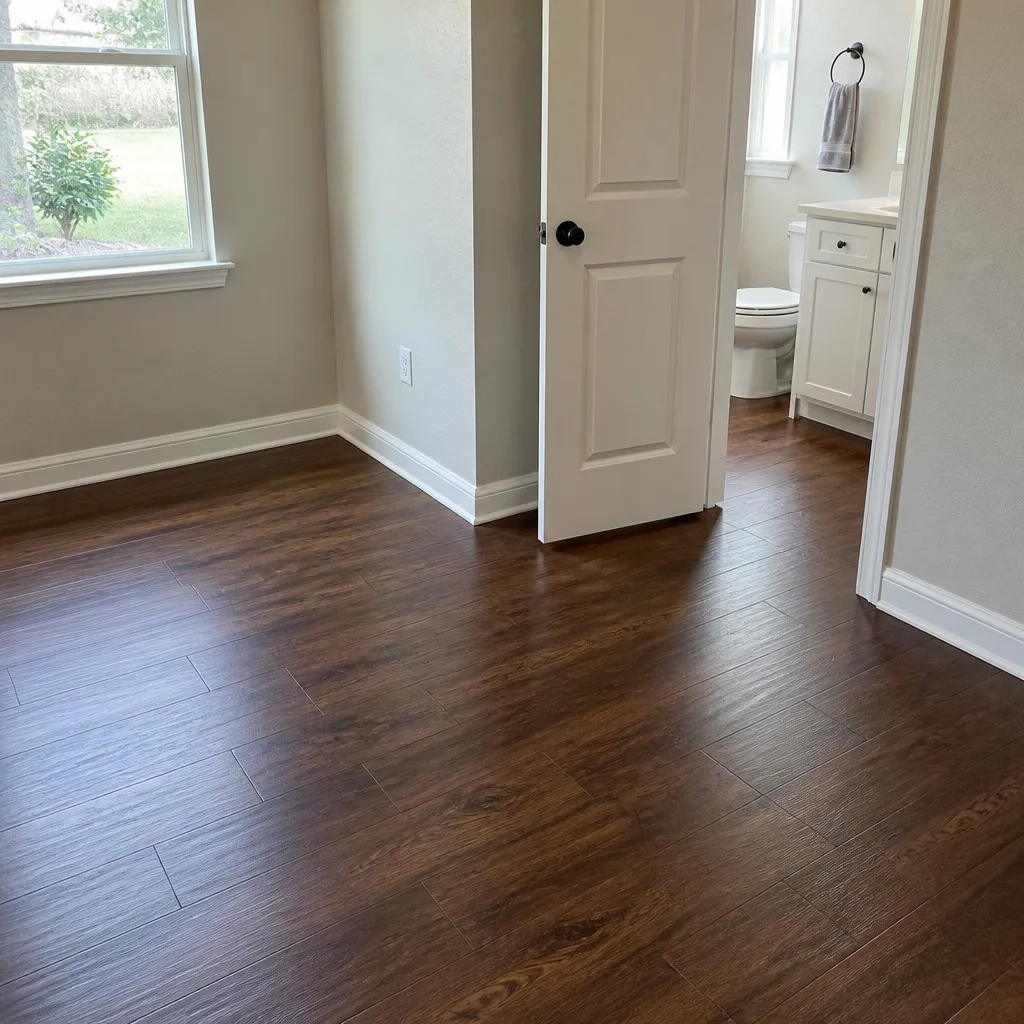
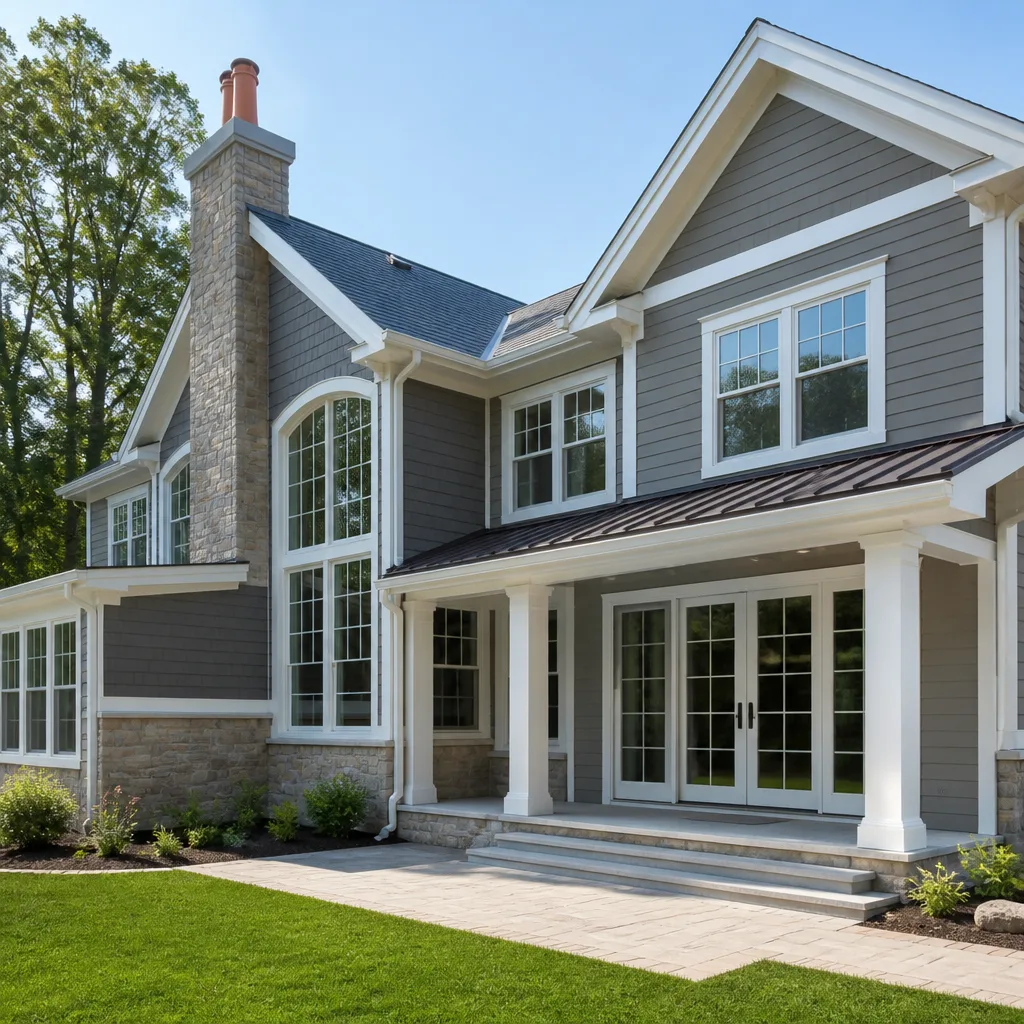
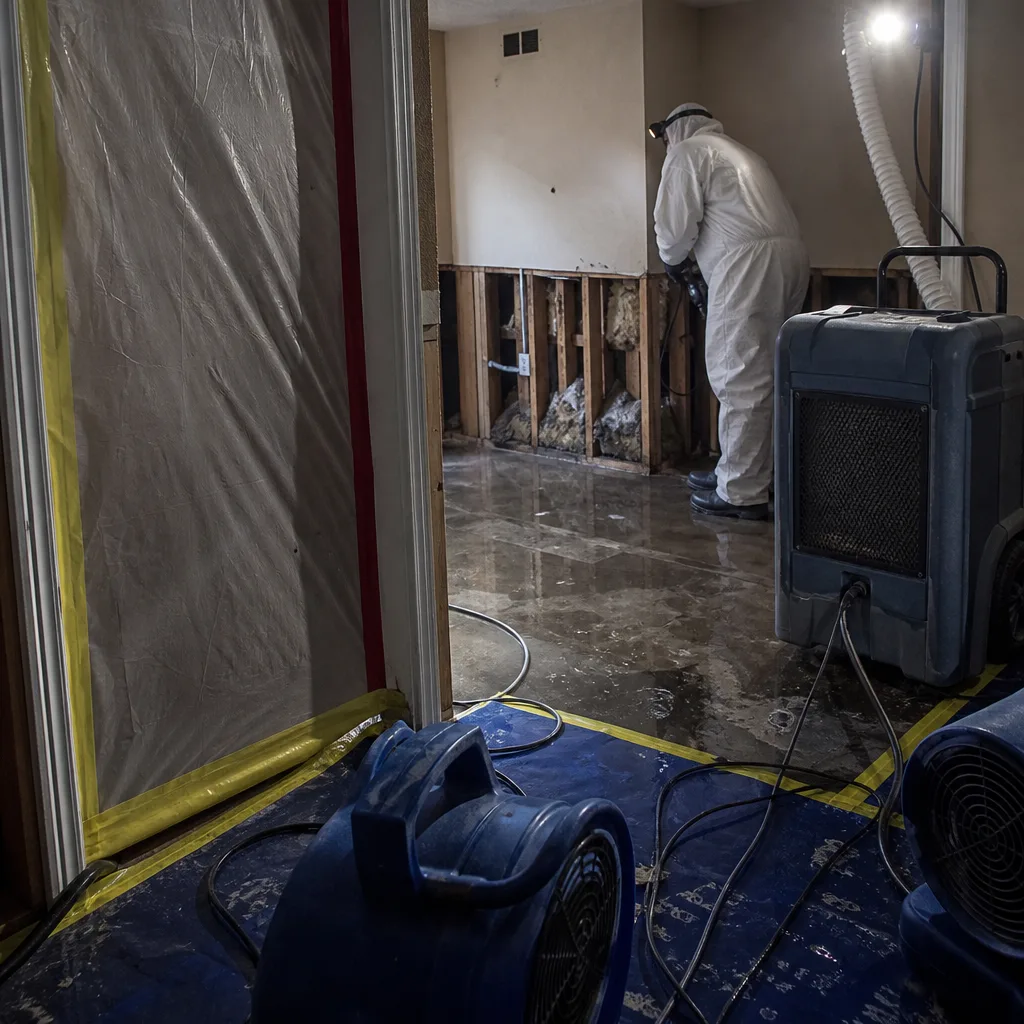 Before
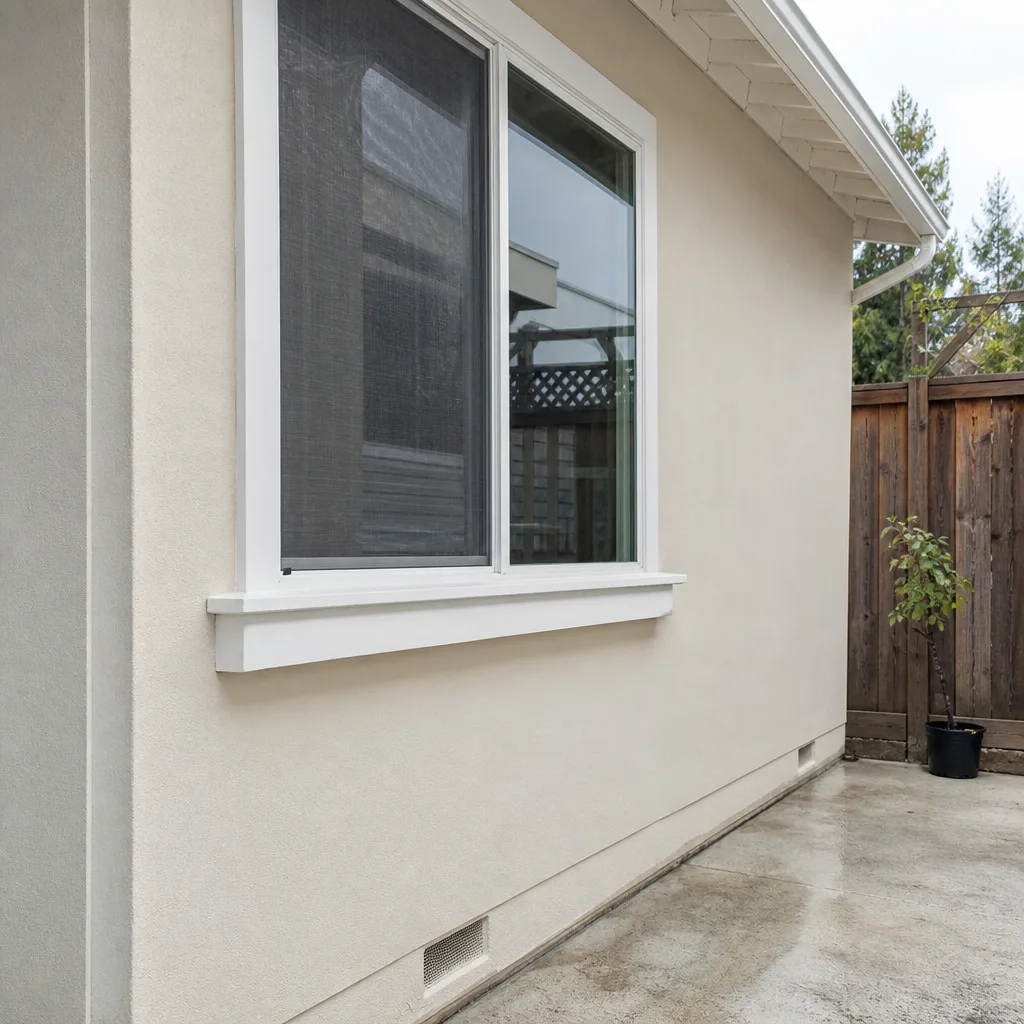 After
After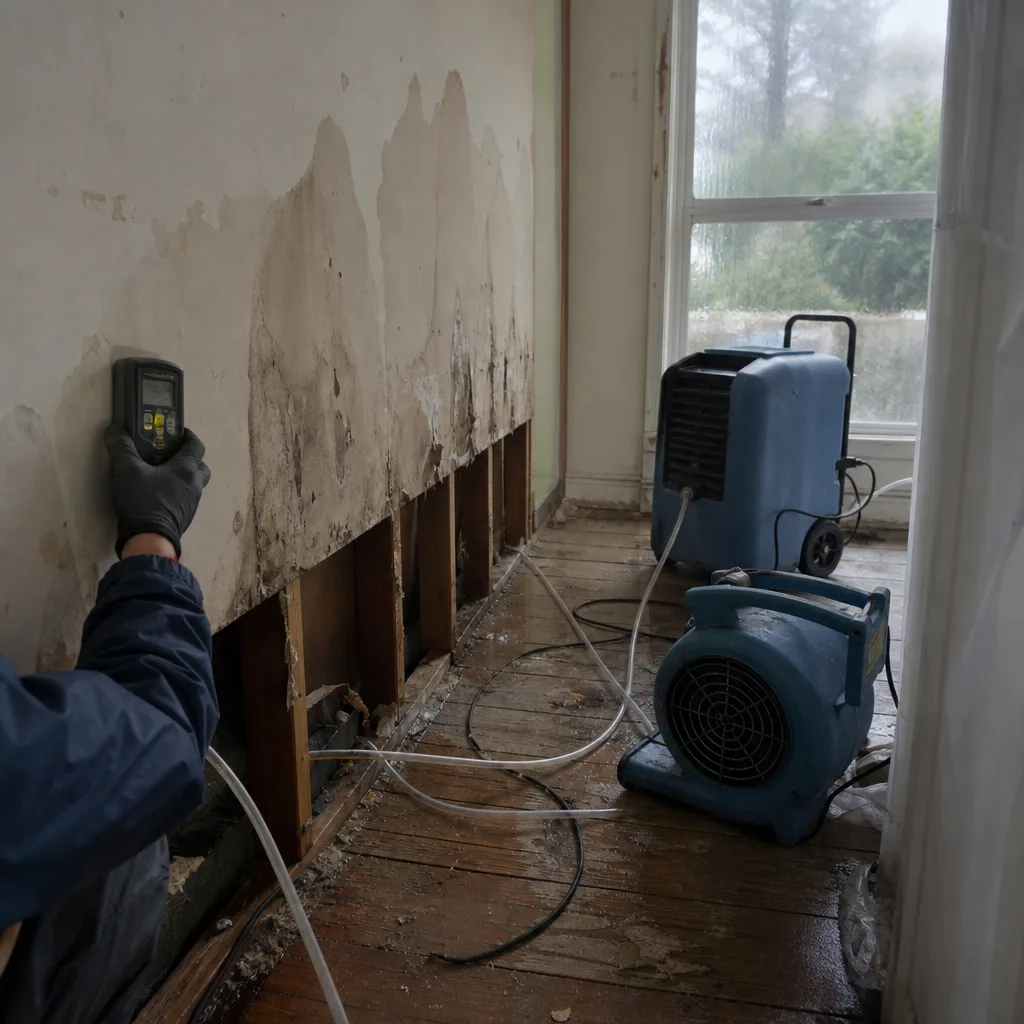 Before
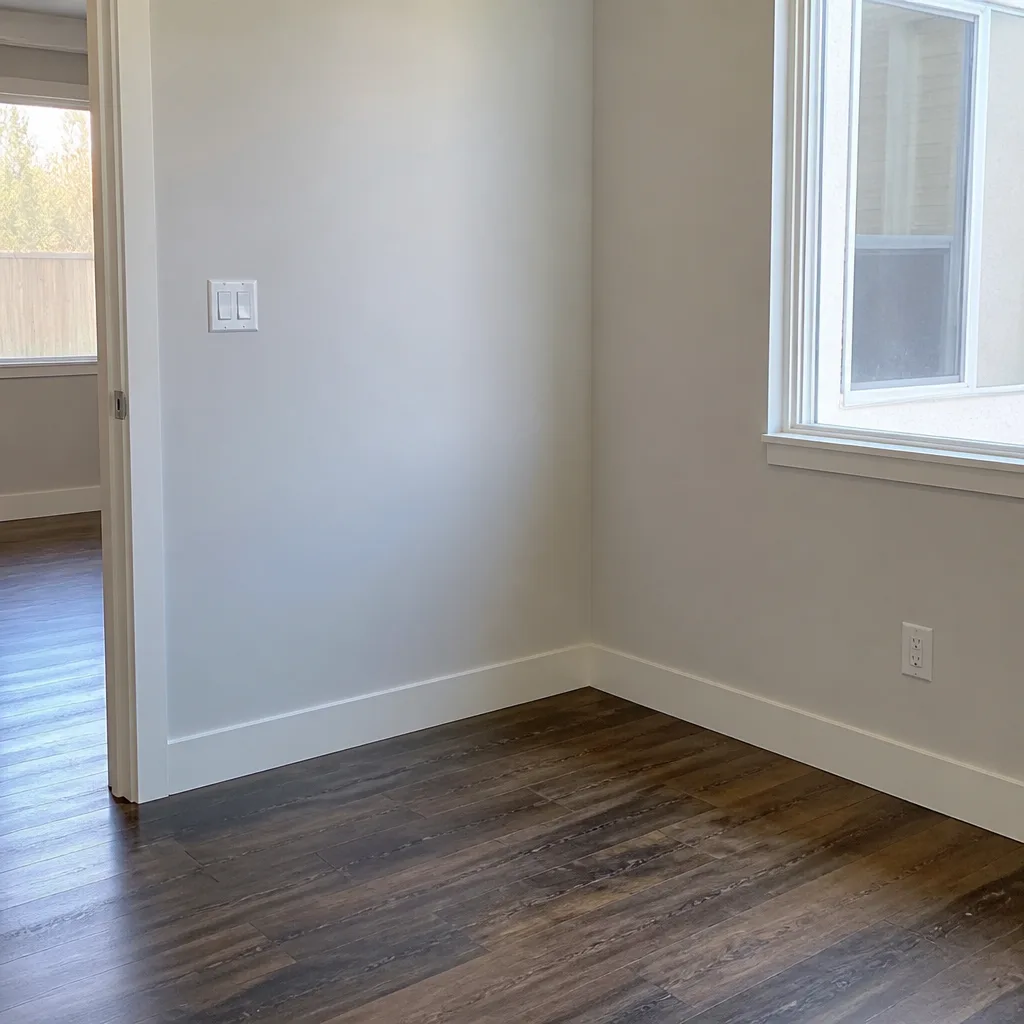 After
After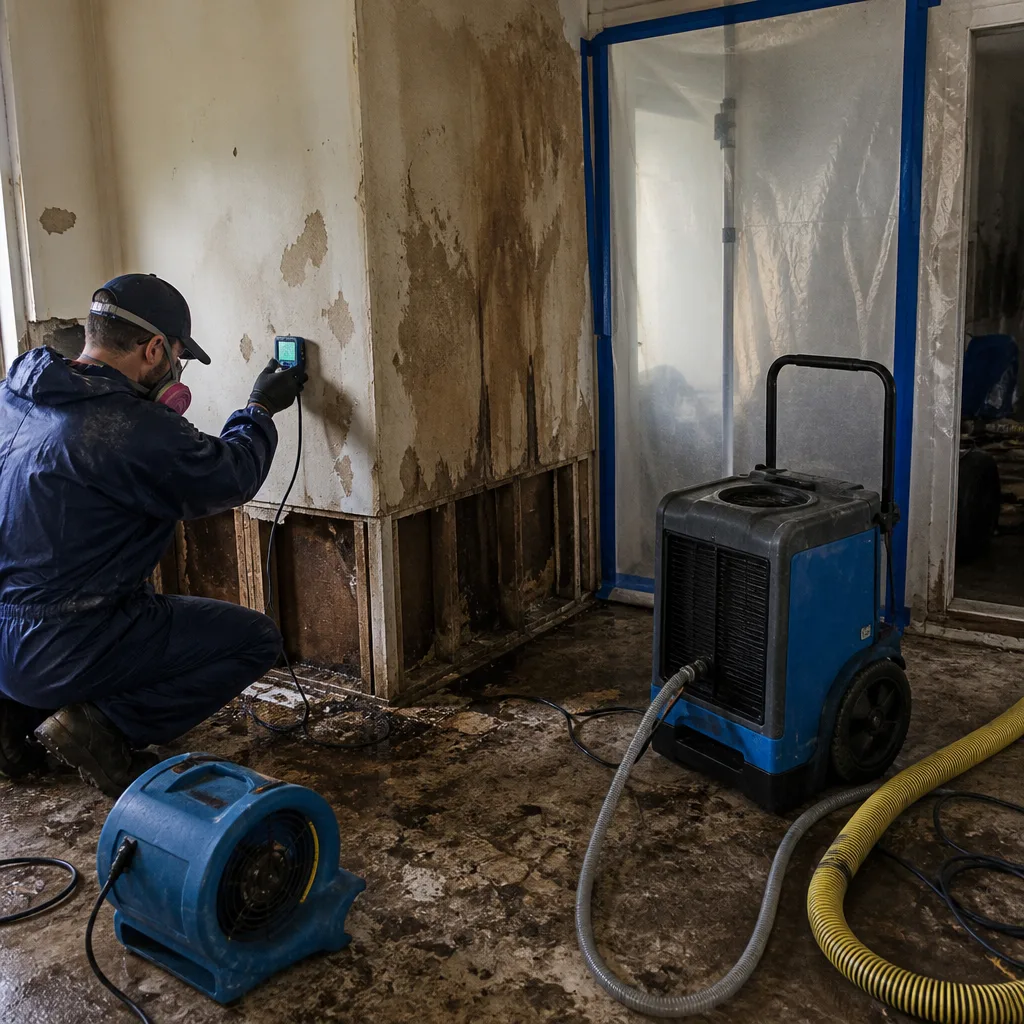 Before
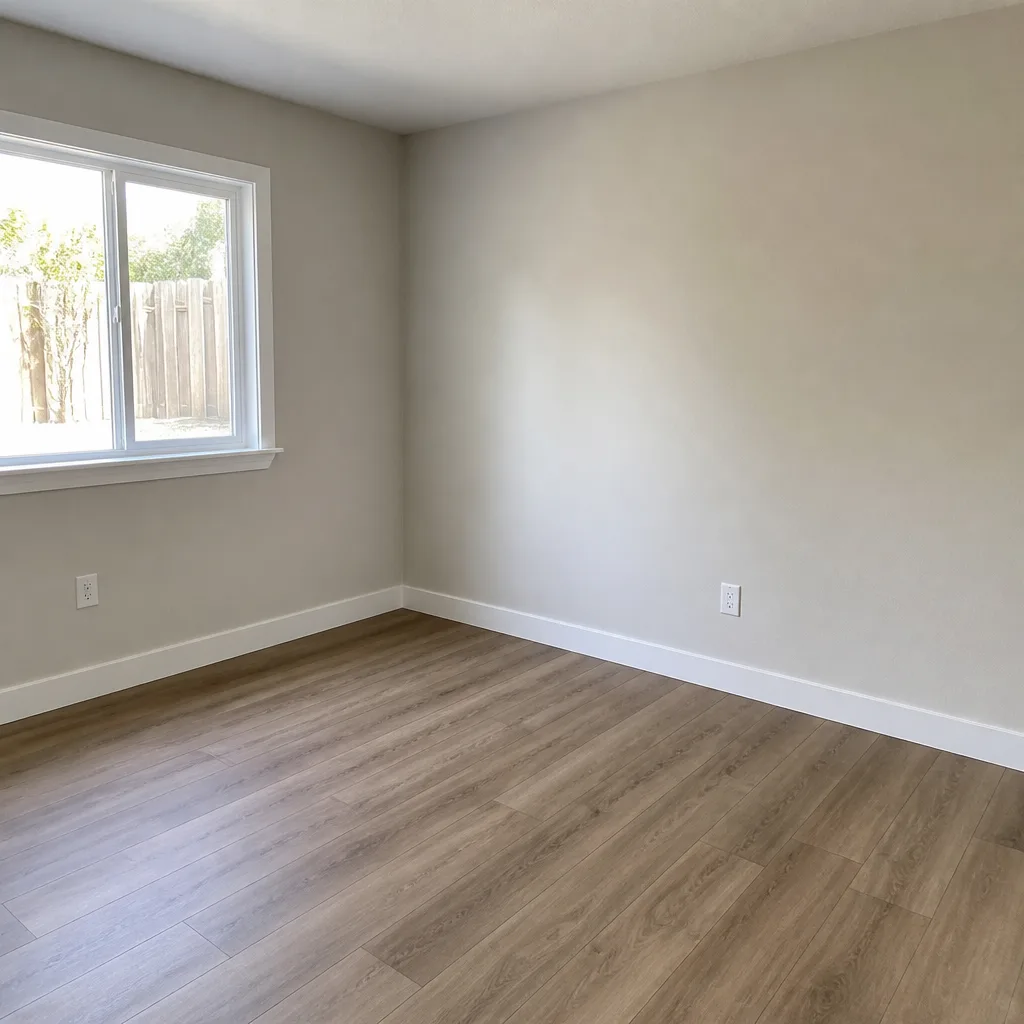 After
AfterThe Complete Guide to Damage Restoration in San Marcos
Insurance adjusters deny or reduce restoration claims most often not because damage didn’t happen, but because the contractor’s file couldn’t prove what did. No baseline moisture readings. No written scope. No daily drying logs. In San Marcos, where evening relative humidity routinely climbs past 75% even miles inland, a poorly documented drying job can stretch from three days to ten - and the insurer will question every extra day. This guide maps the full chain of damage restoration, from the first phone call to the final closeout photo, so you know what documentation to demand and why it protects your claim - and you can explore more guides & resources for related topics.
Quick Answer
Damage restoration in San Marcos is the documented process of returning a property to pre-loss condition after water, fire, mold, storm, or biohazard damage. A properly executed restoration includes intake documentation, moisture mapping, daily drying logs, a written scope of work with pricing agreed before any work begins, and a final closeout report with photos - the exact chain that separates paid insurance claims from disputed ones.
Table of Contents
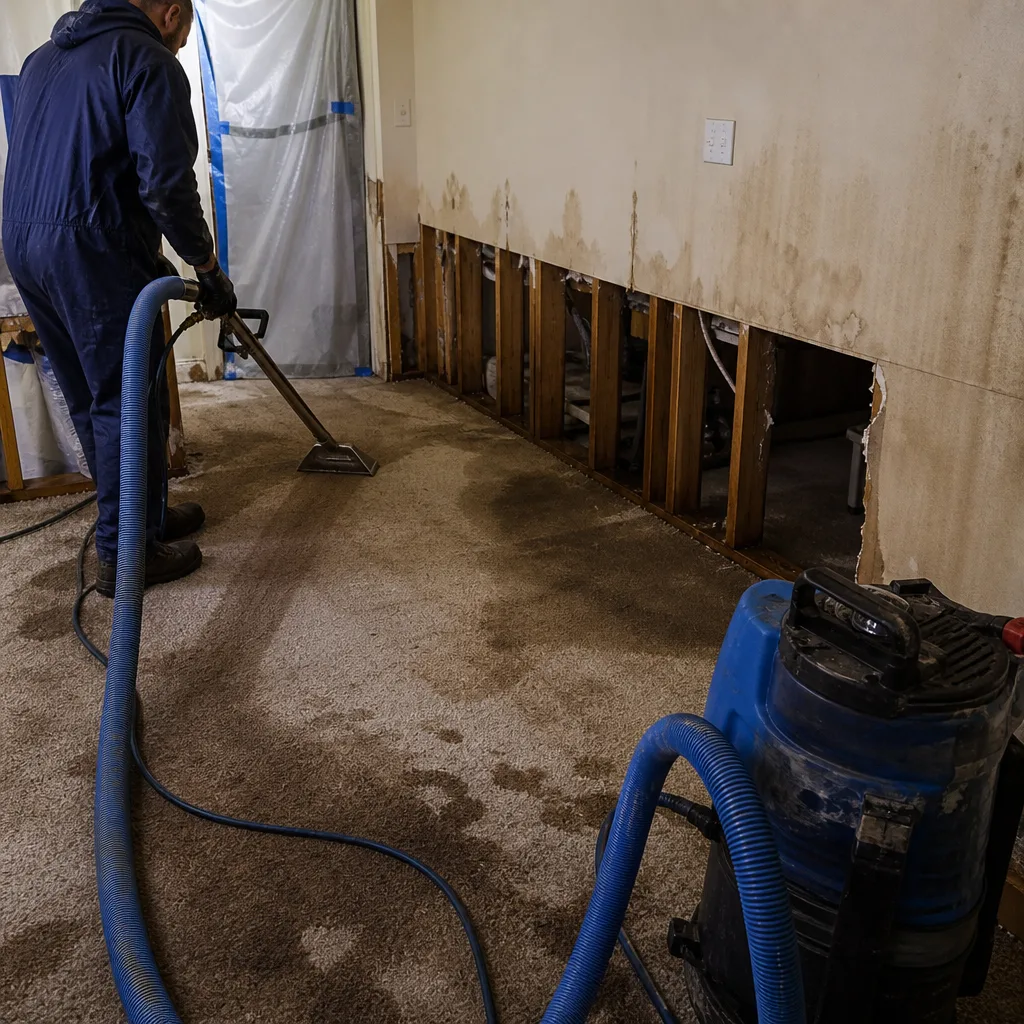
- What Damage Restoration Actually Covers in San Marcos
- How San Marcos Humidity Changes Every Drying Timeline
- The Documentation Chain That Gets Claims Paid
- Mitigation vs. Reconstruction: Why Mixing Them Confuses Adjusters
- San Marcos Damage Risks by ZIP Code and Season
- What Restoration Costs in San Marcos (With Real Ranges)
- Choosing a Restoration Company: What to Verify First
- Working With Insurance: Adjuster Coordination and Direct Billing
BeforeAfterWhat Damage Restoration Actually Covers in San Marcos
Damage restoration is not a single trade. It is a sequence of distinct services, each with its own equipment, certification requirements, and documentation standards. In San Marcos, the most common categories are:
- Water damage restoration - extraction, structural drying, dehumidification, and material replacement after leaks, floods, or burst pipes
- Mold remediation - containment, air filtration, removal of affected materials, and clearance testing
- Fire and smoke damage restoration - soot removal, odor neutralization, structural cleaning, and rebuild
- Storm and disaster restoration - emergency board-up, tarping, water intrusion response, and wind damage repair
- Sewage cleanup - Category 3 water extraction, disinfection, and safe disposal under California health codes
- Biohazard and crime scene cleanup - bloodborne pathogen remediation, trauma scene decontamination, and lawful waste transport
- Reconstruction and cleanup - drywall, flooring, cabinetry, and finish work to return the property to pre-loss condition
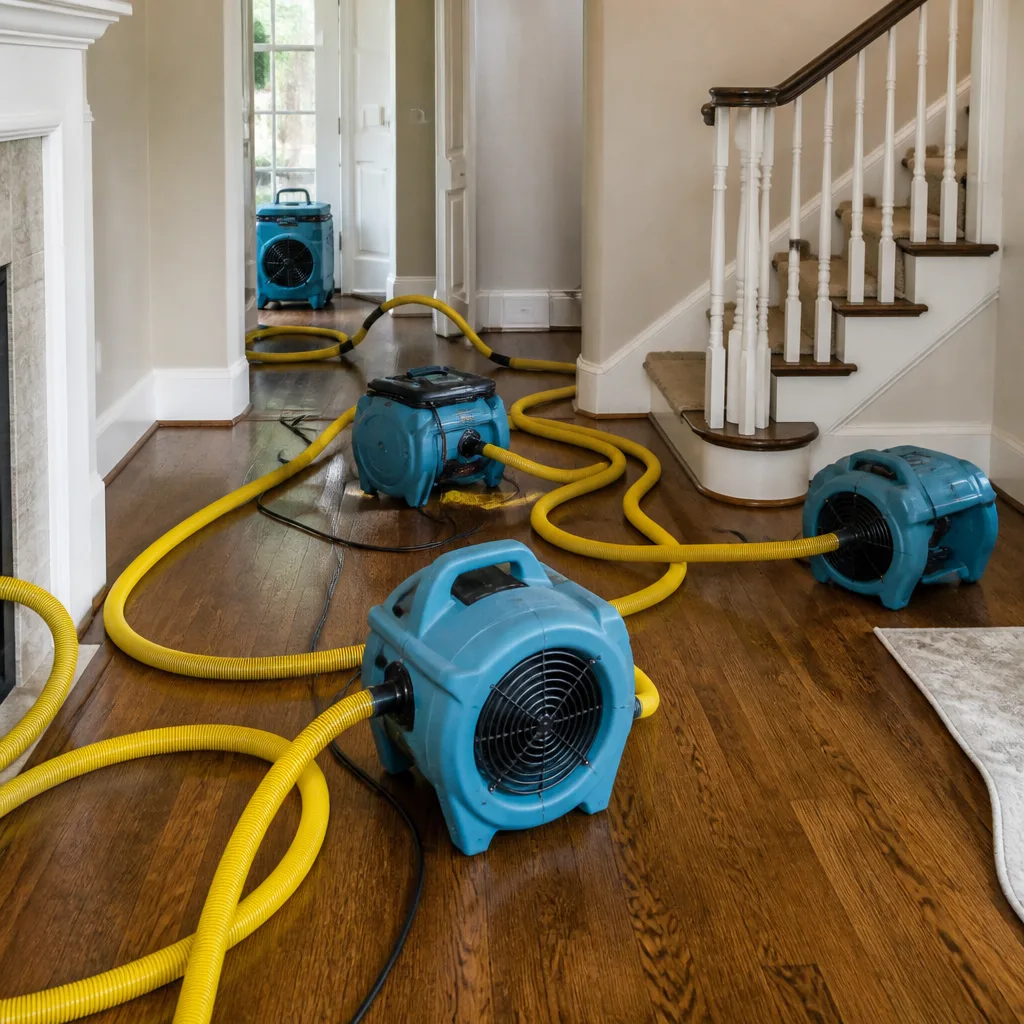
Each category follows IICRC standards (Institute of Inspection, Cleaning and Restoration Certification), which specify exactly how materials must be classified, how drying goals are set, and what documentation must be maintained. A water-damaged oak floor in San Marcos, for example, is classified as a Class 4 material - “low evaporation, deep water penetration” - which means standard air movers alone will not dry it. Injectidry systems, which pull air through fluted panels attached to the floor surface, are typically required, and the drying log must show vapor pressure differential readings proving moisture is actually moving, not just that equipment is running.
We have restored more than 12,000 homes since 2011. Every job started with a written price before work began, and every job ended with a documented photo record. That is not a marketing claim. It is Haven Standard, Clause 1.
How San Marcos Humidity Changes Every Drying Timeline
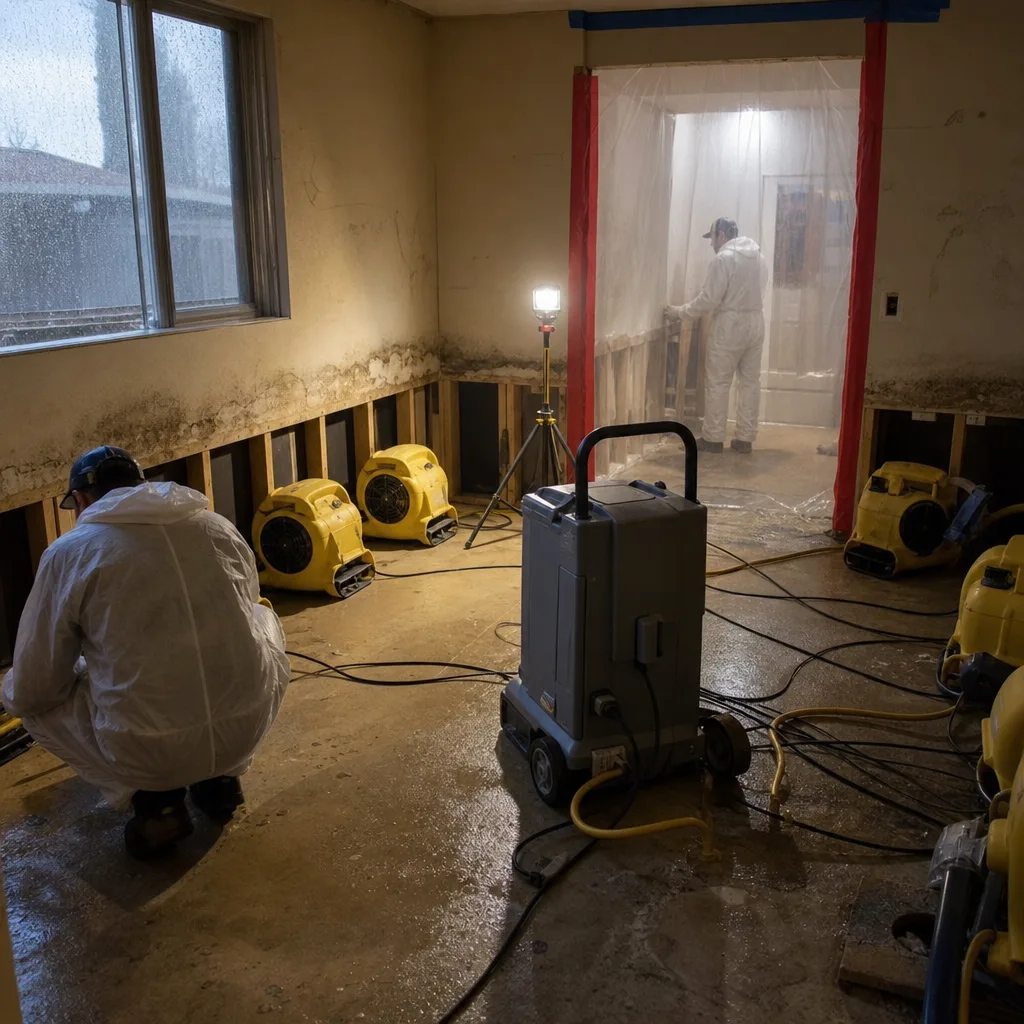
San Marcos sits in a transitional zone - close enough to the Pacific for marine layer influence, far enough inland for summer heat that can spike into the 90s. The result is evening relative humidity that commonly ranges from 70% to 85% from May through October, even in neighborhoods like Discovery Hills and San Elijo Hills that sit at higher elevation.
This matters because dehumidification equipment is sized for specific vapor pressure conditions. A LGR (low-grain refrigerant) dehumidifier from Dri-Eaz or Phoenix that achieves 30 grains per pound at 70°F and 50% RH will struggle to reach the same output at 75°F and 80% RH. The air is already close to saturation; the machine must work harder to extract the same volume of water.
What this means for your drying timeline:
- Standard 3-day estimates often fail. A contractor who promises three days without accounting for San Marcos humidity is guessing. We have seen jobs in Twin Oaks Valley where the initial estimate was 72 hours and the actual drying took 8 days - documented daily, with moisture logs showing exactly why.
- Equipment must be adjusted, not just left running. When outdoor humidity rises above indoor, the drying strategy shifts from dehumidification to controlled ventilation or supplemental heat. Psychrometric data - temperature, relative humidity, and specific humidity readings - must be collected at least twice daily to catch the shift.
- Secondary damage risk is higher. When drying stalls, mold can colonize within 48 to 72 hours. In San Marcos, where stucco exteriors trap moisture and interior wall cavities stay humid, we regularly find mold behind baseboards that appeared “dry” to touch but registered 18% wood moisture content - well above the 16% threshold where fungal growth begins.
The documentation that protects your claim: daily moisture readings with meter model and calibration date, equipment placement maps showing serial numbers, and psychrometric calculations proving the drying chamber was controlled. Without this, an adjuster can argue the contractor caused the mold by failing to dry properly.
The Documentation Chain That Gets Claims Paid
A restoration invoice is only as strong as the file behind it. Here is the exact chain we use on every job in San Marcos, and what each piece proves to an insurance adjuster.
Step 1: Intake Photos
Before any equipment is moved into the house, we photograph every affected room from multiple angles, including serial numbers on appliances and visible brand markings on materials. These establish the pre-work condition and prove what was damaged, not just that damage existed.
Step 2: Moisture Mapping
Using pin and pinless moisture meters, we record readings at standard intervals - every 16 inches on walls, at multiple depths on subfloors, and in unaffected areas to establish a dry standard. The map is drawn to scale, dated, and signed. In San Marcos, where slab-on-grade construction is common in neighborhoods like Lake San Marcos and Rancho Coronado, we also take concrete moisture readings with a calcium chloride test or in-situ RH probe, since slabs can wick moisture for weeks after surface water is gone.
Step 3: Written Scope and Price
Haven Standard, Clause 1: a written price is delivered before anyone starts work, every time, with no exceptions. The scope lists each task by room, the equipment to be used, the estimated duration, and the line-item price. The homeowner signs before work begins. This is not a courtesy. In California, a verbal estimate from a restoration contractor is legally worthless in an insurance dispute - the insurer can treat it as an unenforceable promise and reduce payment accordingly.
Step 4: Daily Drying Logs
Every 24 hours, our technicians record: temperature and RH in the drying chamber and outdoors; specific humidity readings at multiple points; equipment runtime hours; and moisture content of affected materials. These logs, maintained to IICRC S500 standards, prove the drying was proceeding as planned - or justify equipment changes when it was not.
Step 5: Photo Record on Every Visit
Each daily visit is documented with dated, geotagged photos showing equipment in place, moisture meter readings with the display visible, and any changes to the affected area. This is included as a standard deliverable, never an upsell.
Step 6: Closeout Report
Final moisture readings proving materials have returned to dry standard. Final photos showing the space restored. Equipment pickup documentation with serial numbers. The signed 365-Day Done Right Promise under The Haven Standard. This is the file that turns a restoration invoice into a claim an insurer pays without a fight.
We built this system because our founder spent years as a claims adjuster watching homeowners lose tens of thousands of dollars to contractors who “did great work” but kept no records. The work can be perfect. Without documentation, it did not happen.
Mitigation vs. Reconstruction: Why Mixing Them Confuses Adjusters
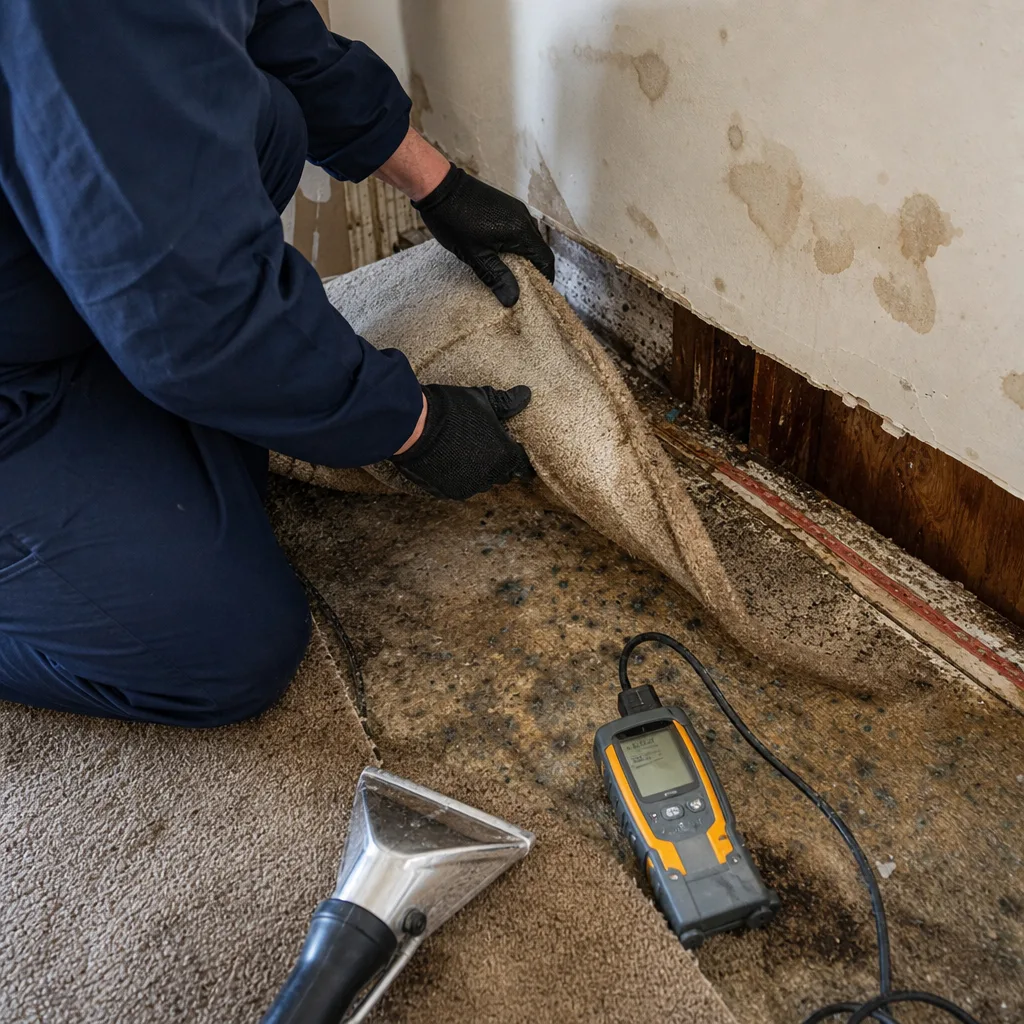
This is the single most common error we see on restoration invoices in San Marcos, and it costs homeowners directly.
Mitigation is emergency work to stop damage from spreading: water extraction, demolition of unsalvageable materials, drying, deodorization, and antimicrobial application. It is time-sensitive, often performed after hours, and priced by the hour or by equipment day. Water damage restoration in San Marcos falls primarily in this category.
Reconstruction is the rebuild: new drywall, flooring, paint, cabinetry, and finish work. It is scheduled, scoped in advance like a remodel, and priced by the square foot or by the item. It does not begin until mitigation is complete and the structure is certified dry.
When a contractor combines both on one invoice, the adjuster faces two problems. First, mitigation pricing includes overhead for 24/7 dispatch and emergency equipment; reconstruction does not. Blending them inflates the reconstruction line items or deflates the mitigation ones, either of which triggers review. Second, reconstruction requires competitive bidding in many policies; mitigation does not. A combined invoice forces the adjuster to separate the two manually, and any ambiguity becomes a reason to delay or reduce payment.
We maintain separate scopes, separate invoices, and separate project managers for mitigation and reconstruction. The homeowner knows exactly what each phase costs before it begins. The adjuster receives files organized to their workflow. The claim moves faster.
On reconstruction work, we do not promise same-day service or a dispatch time. That work is scoped, scheduled, and priced in writing - like any professional remodel.
San Marcos Damage Risks by ZIP Code and Season
San Marcos spans multiple microclimates and construction eras, and the damage profile varies significantly by area.
92069 (Central and Old San Marcos): Older homes, many built 1960-1985, with galvanized or early copper plumbing. Slab leak frequency is high, particularly in the winter months when thermal expansion stresses aging pipes. We regularly see water damage that has run for days before detection, with moisture wicking into original hardwood floors that are classified as Class 4 and require Injectidry mat systems.
92078 (San Elijo Hills, Discovery Hills, Rancho Coronado): Newer construction, 1995-2015, with stucco exteriors and tile roofs. Wind damage from Santa Ana events is the primary risk, particularly November through January. Tile roofs shed water well when intact but leak dramatically when a single tile cracks or a valley flashing lifts. Water intrusion follows rafter lines and pools in insulation before showing on ceilings. By the time a homeowner sees a stain, mold is often established in the attic cavity.
92096 (Lake San Marcos and surrounding): Mixed-age homes with proximity to water table and higher ambient humidity. Crawl space moisture is chronic; we have documented vapor pressure readings in Lake San Marcos crawl spaces that exceed outdoor ambient even during dry spells. Mold remediation in these properties often requires crawl space encapsulation, not just surface treatment.
Seasonal patterns:
- January-March: Rain-driven roof leaks, especially after Santa Ana wind events. Slab leaks peak in cold snaps.
- April-June: Early mold calls from winter moisture that was not fully dried. Irrigation line breaks as systems restart.
- July-September: Air conditioning condensation line failures; water heater failures in attic installations.
- October-December: Santa Ana wind damage, wildfire smoke intrusion (particularly 2017-2020 legacy claims), and pre-holiday plumbing failures from increased usage.
Mold remediation in San Marcos is most commonly needed in 92078 and 92096, where stucco cavities and crawl spaces trap moisture. Fire and smoke damage restoration in San Marcos spikes during Santa Ana season and regional wildfire events, with smoke odor neutralization requiring thermal fogging or ozone treatment depending on the combustion source.
What Restoration Costs in San Marcos (With Real Ranges)
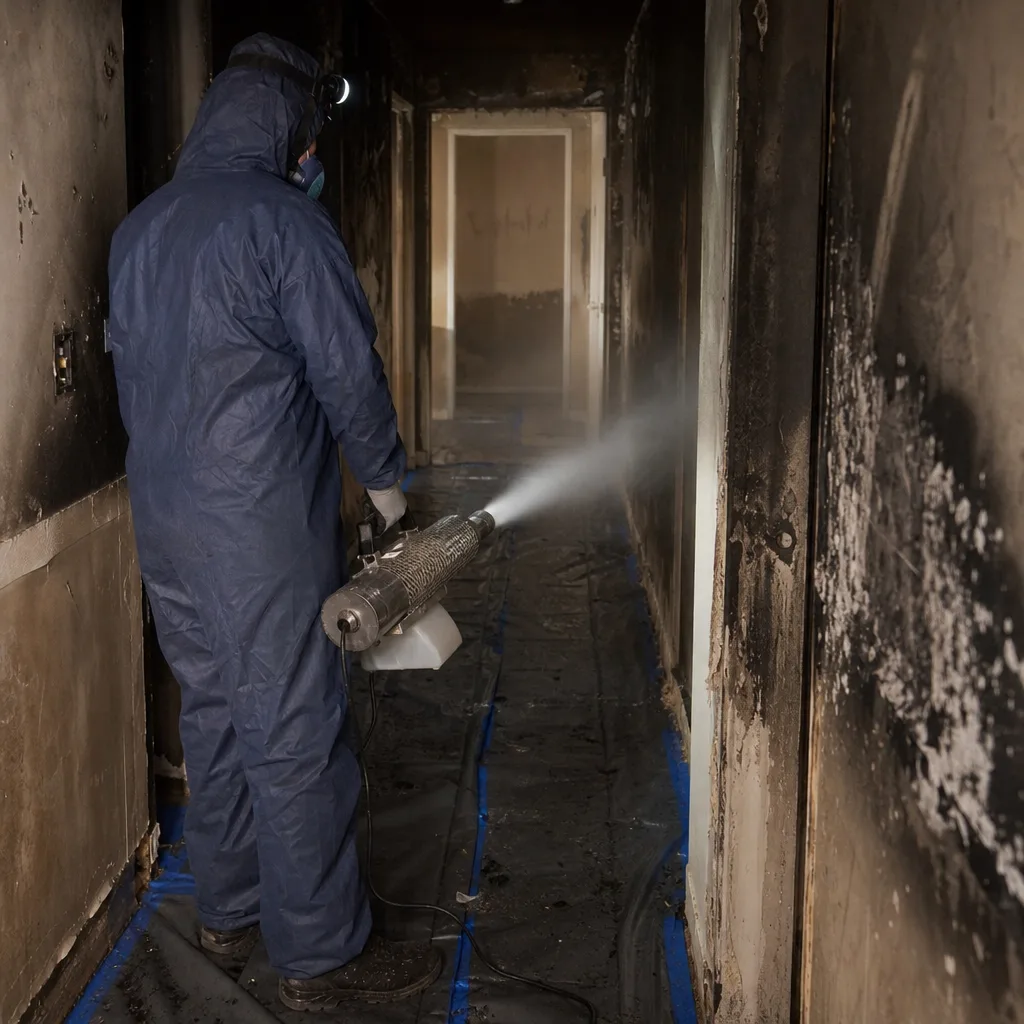
These ranges reflect our actual pricing for San Marcos jobs in 2023-2024, documented under Haven Standard, Clause 1 - see our Damage Restoration Cost Breakdown: The San Marcos Homeowner’s Reference for 2026 for deeper context. Every job is quoted in writing before work begins; these are typical ranges, not estimates for your specific loss.
| Service | Typical Range | What Drives the Price |
|---|---|---|
| Water damage mitigation (Category 1, clean water) | $1,800 - $4,500 | Square footage, affected material class, humidity conditions, equipment days required |
| Water damage mitigation (Category 3, sewage) | $4,200 - $8,500 | Disinfection requirements, PPE level, waste disposal fees, California health code compliance |
| Mold remediation (contained area, <100 sq ft) | $1,200 - $2,800 | Containment complexity, air filtration requirements, clearance testing |
| Mold remediation (whole room or HVAC involvement) | $3,500 - $9,000 | Duct cleaning, negative air setup, tertiary drying of structural members |
| Fire/smoke damage mitigation | $3,000 - $12,000 | Soot type (protein vs. synthetic), odor penetration depth, contents cleaning scope |
| Storm damage emergency board-up | $450 - $1,800 | Opening count, height access, material type (plywood vs. security panels) |
| Reconstruction (drywall, paint, flooring) | $18 - $45 per sq ft | Material grade, finish level, code upgrade requirements |
Two factors specific to San Marcos push these ranges higher than inland markets: humidity-extended drying timelines (more equipment days) and the prevalence of stucco and tile construction (more invasive access for drying and more complex reconstruction matching).
We offer a Free Second Opinion on any competitor’s written estimate. Bring their scope and we will review it at no charge, line by line, against what we would document for the same loss.
Choosing a Restoration Company: What to Verify First
Most homeowners in San Marcos search for a restoration company once, under stress, and choose from the first three results. Here is what to verify before you sign anything.
- Demand a written price before work starts. Not a “verbal range.” Not a “we’ll bill your insurance.” A signed scope with line-item pricing. If the contractor will not provide this, they are not following IICRC business practices, and your claim is at risk.
- Ask for the documentation package upfront. What exactly will you receive? Daily drying logs? Photo records? A closeout report? If the answer is vague, the file will be weak.
- Verify technician credentials by name. Background-checked, uniformed, with license numbers available. Not “our crew” - specific people, verified before they arrive at your home.
- Confirm 24/7 live phone coverage. Call the number at 11 PM on a Saturday. If you reach voicemail, that is who answers when your pipe bursts at 2 AM.
- Ask about equipment brands and standards. Professional-grade drying from Dri-Eaz, Phoenix, XPOWER, B-Air, or Injectidry, documented to IICRC, RIA, and IFA standards. Not “industrial equipment” - specific brands with documented maintenance records.
- Request the warranty in writing. Not “we guarantee our work.” A signed document with a specific term and coverage. Our 365-Day Done Right Promise is stamped on every job under The Haven Standard.
We have seen competitors in San Marcos arrive with rental equipment from big-box stores, no moisture meters, and a handshake promise. The homeowner’s claim was reduced by 40% because the adjuster could not verify what was done.
Working With Insurance: Adjuster Coordination and Direct Billing
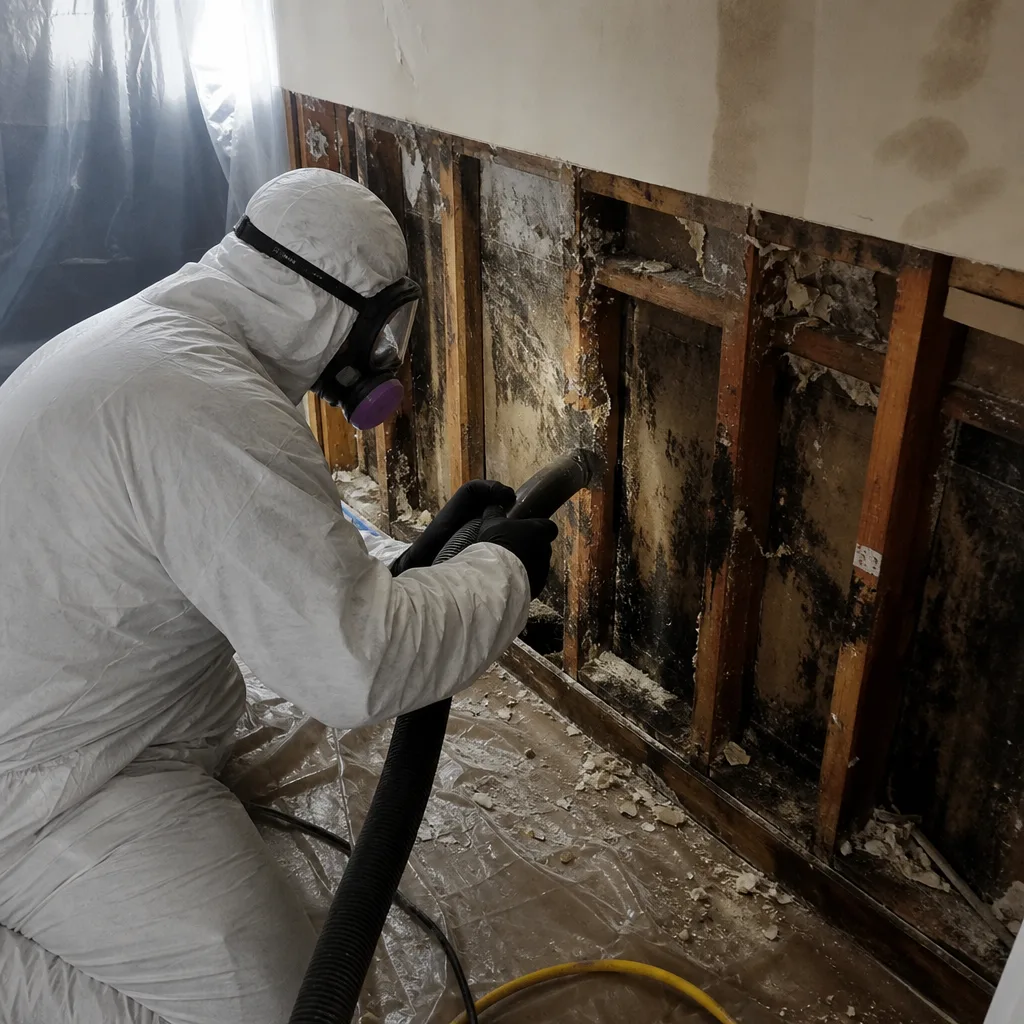
Insurance is almost always in the room, even when unstated. The documentation chain we described exists primarily to satisfy the adjuster’s need for proof, but there are additional steps that speed payment and reduce homeowner stress.
Photo documentation for the adjuster: Our photo records are organized by room, dated, and include moisture meter displays with readings visible. We provide these directly to the adjuster on request, or to the homeowner for their own claim file. This eliminates the “he said, she said” that delays payment.
Direct adjuster coordination: On most San Marcos jobs, we speak directly with the assigned adjuster within 24 hours of intake. We walk them through the moisture map, explain the drying strategy, and identify any potential coverage issues early. This is not “handling your claim” - that is the adjuster’s job. It is providing the technical documentation they need to do it accurately.
Written scope as the baseline for payment: The scope signed before work begins becomes the reference point for the adjuster’s estimate. If their software (typically Xactimate) prices a task differently, we document why our scope is necessary - material classification, access constraints, Damage Restoration Permits, Codes & Inspections in CA: What You Need to Know - and negotiate from evidence, not assertion.
Code upgrade documentation: California building codes have changed significantly since 2011, particularly for electrical and plumbing. If your 1985 San Marcos home requires code-compliant materials in the rebuild, that is a separate coverage question. We document the code requirement, the date it took effect, and the specific application to your property, so the adjuster can evaluate coverage accurately.
We do not promise to “work with any insurance” as a blanket claim. We promise to document every job to the standard that insurance requires, and to provide that documentation to you and your adjuster transparently.
Common Mistakes to Avoid
- Waiting to call until morning. Water moves horizontally through wall cavities at approximately 1 inch per minute on porous materials. A six-hour delay in San Marcos humidity means moisture has reached rooms you cannot see. Call immediately; documentation can begin at any hour.
- Accepting a verbal estimate. In California insurance disputes, verbal estimates are treated as unenforceable promises. The contractor can bill more; the insurer can pay less; the homeowner is caught in between. Haven Standard, Clause 1 exists to end this.
- Allowing mitigation and reconstruction on one invoice. This creates ambiguity that adjusters use to delay or reduce payment. Insist on separate scopes, separate signatures, separate invoices.
- Ignoring humidity in drying timelines. A contractor who promises three days without checking San Marcos evening RH is not following psychrometric principles. Ask how humidity affects their equipment selection and how they will document drying progress.
- Skipping the second opinion. If a competitor’s scope seems high, or if they will not provide a written price, our Free Second Opinion costs nothing and often reveals scope gaps or unnecessary line items.
- Assuming mold is “just a little.” In San Marcos stucco construction, visible mold is often the tip of a cavity colony. A surface cleaning without moisture mapping and clearance testing leaves the problem intact and undocumented for the next buyer’s inspection.
- Not photographing everything yourself. Even with a professional restoration company, your own photos of the immediate aftermath - time-stamped, with visible damage - provide independent evidence if documentation disputes arise.
When to Call a Professional
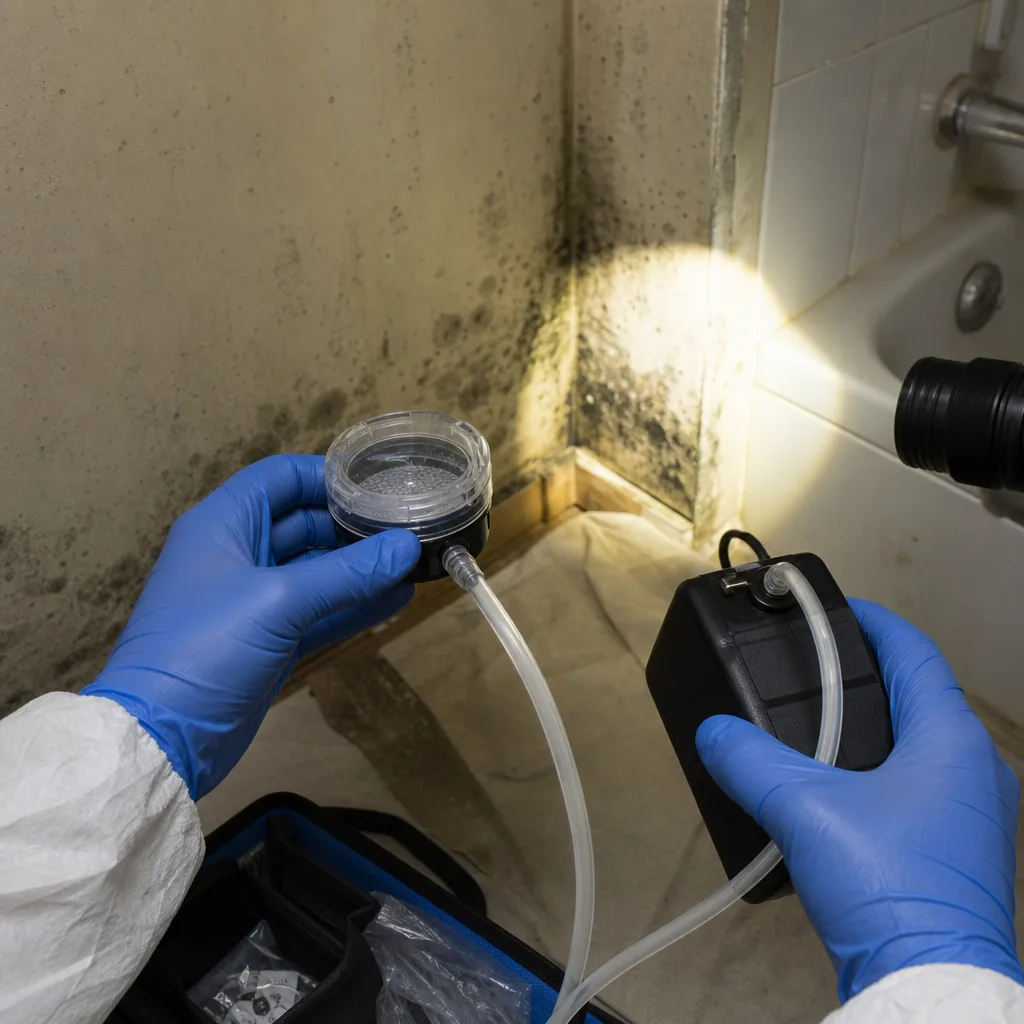
Call immediately when: water is actively flowing and you cannot locate the shutoff; sewage or gray water is present; electrical outlets or panels are wet; smoke odor persists after ventilation; or mold is visible and covers more than 10 square feet. These scenarios involve genuine hazards - high-voltage contact, bloodborne pathogens, or structural compromise - and require trained response with proper PPE and documentation.
For slower leaks, minor roof stains, or musty odors without visible mold, you still need professional moisture mapping to determine the full extent - early signs covered in our Damage Restoration Warning Signs: A San Marcos Homeowner’s Reference Guide. In San Marcos, we have traced “minor” bathroom leaks to saturated subfloors extending into hallway closets, discovered only because we mapped beyond the visible stain.
DryMark Restoration San Marcos offers free estimates in San Marcos. Call (858) 434-8474. A live person answers 24 hours a day, 7 days a week - no voicemail trees, no next-business-day callbacks while water is still moving.
Frequently Asked Questions
Category 1 (clean water) mitigation typically ranges from $1,800 to $4,500, while Category 3 (sewage) runs $4,200 to $8,500 depending on square footage, material classification, and equipment days required. San Marcos humidity often extends drying timelines beyond initial estimates, which is why daily moisture logs matter for both cost control and insurance documentation. Call (858) 434-8474 for a written estimate on your specific loss - estimates are free.
Insurance covers sudden and accidental damage, not gradual maintenance failures. The key factor is documentation: baseline moisture readings, a written scope agreed before work begins, and daily drying logs proving the work was necessary and properly executed. Without this chain, even covered losses can be reduced or denied. We coordinate directly with adjusters and provide photo-documented evidence to support your claim. Call (858) 434-8474 to discuss your specific policy and loss.
For active water flow, sewage backup, or fire damage, our live dispatch answers immediately and routes the nearest available crew. Response time varies by current call volume and your location within San Marcos, but emergency mitigation is prioritized. Reconstruction work is scheduled, not dispatched - it requires scoping, material ordering, and crew assignment. Call (858) 434-8474 to confirm current availability for your emergency.
Visible mold covering more than 10 square feet, or any mold in an HVAC system, requires professional remediation under California health guidelines. DIY cleaning without containment spreads spores and leaves no documentation for future disclosure requirements. In San Marcos stucco homes, surface-visible mold often conceals cavity growth that only professional moisture mapping reveals. We provide clearance testing and documentation as standard deliverables. Call (858) 434-8474 for a moisture map and written scope.
San Marcos evening humidity frequently exceeds 70% RH, which slows dehumidifier efficiency and extends drying timelines. A proper job includes daily psychrometric readings that justify equipment days; without these logs, the adjuster can dispute the extra days as contractor error. Ask your contractor for vapor pressure differential readings from each day - if they cannot produce them, the timeline is not documented. We provide these as standard on every job.
You retain full control of your claim. We provide technical documentation directly to your adjuster on request - moisture maps, drying logs, photo records, and written scopes - but we do not negotiate coverage or settlement. That is between you, your adjuster, and your policy. Our role is to document what we find, what we did, and why it was necessary, in the format adjusters need to evaluate payment. Call (858) 434-8474 to discuss how we coordinate with your specific carrier.
The Haven Standard is our operating framework, established in 2011, that governs how every job is executed and documented. Clause 1 requires a written price before work begins. The 365-Day Done Right Promise requires us to correct any defect at no charge. These are not marketing lines - they are signed guarantees that create a paper trail your insurer can verify. A restoration company with no documented standard has no accountability structure, and that weakness shows up in claim disputes.
The Bottom Line
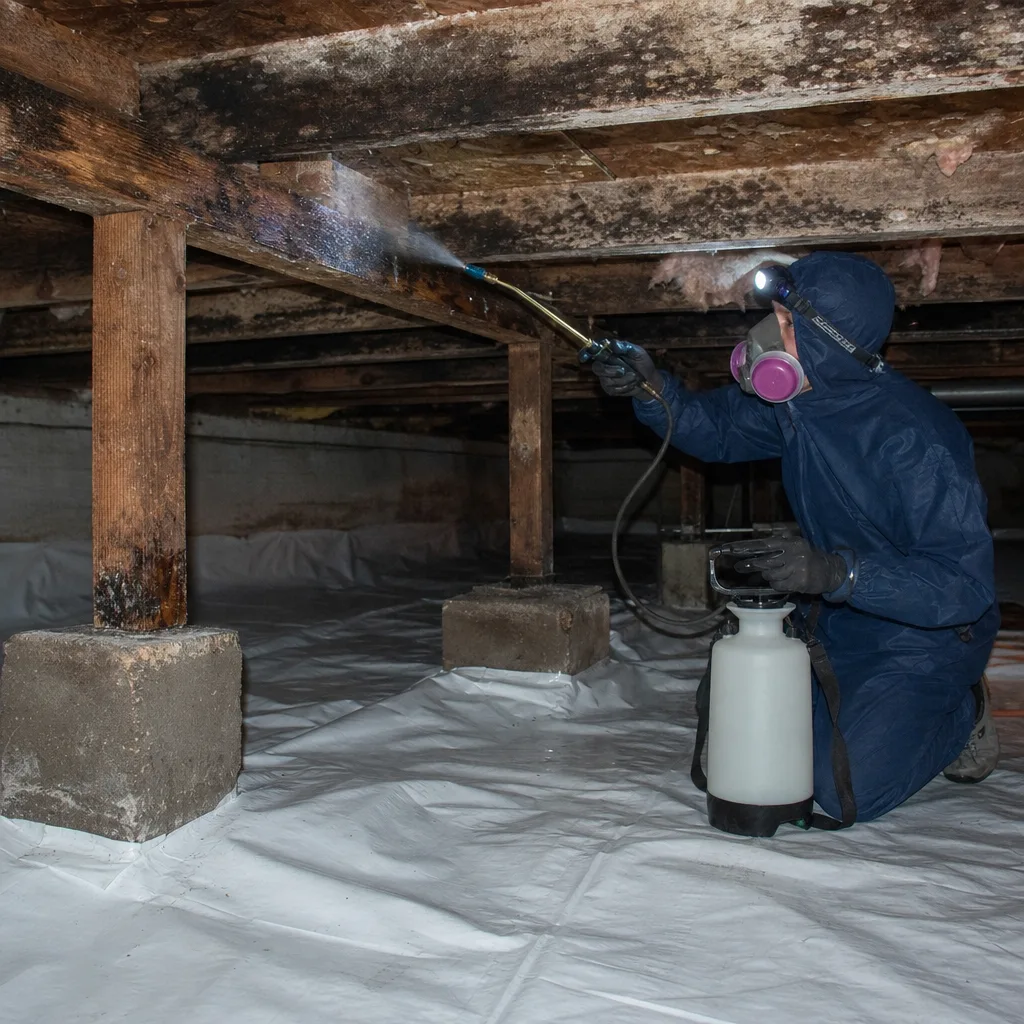
Damage restoration in San Marcos is not a single event. It is a chain of documented decisions - intake, mapping, pricing, drying, verification, closeout - and each link either strengthens or weakens the insurance claim that follows. The contractors who get claims paid are not necessarily the ones who do the fastest or cheapest work. They are the ones who can prove what they did, why they did it, and what the result was.
San Marcos humidity, stucco construction, and mixed-age housing stock create specific challenges that generic restoration approaches miss. Drying timelines fail. Mold hides in cavities. Scope ambiguity invites adjuster reduction. The documentation chain exists to prevent these failures before they cost you money.
We built Back to Dry Restoration around this principle in 2011, and we have applied it to more than 12,000 homes since. Every job starts with a written price. Every visit is photo-documented. Every job ends with a signed warranty under The Haven Standard.
Call (858) 434-8474 for a free estimate. A live person answers 24 hours a day, 7 days a week. Or bring a competitor’s written estimate for our Free Second Opinion - we will review it line by line, at no charge, against what we would document for the same loss.
Written by Alicia Brennan, Owner at DryMark Restoration San Marcos, serving San Marcos since 2011.