
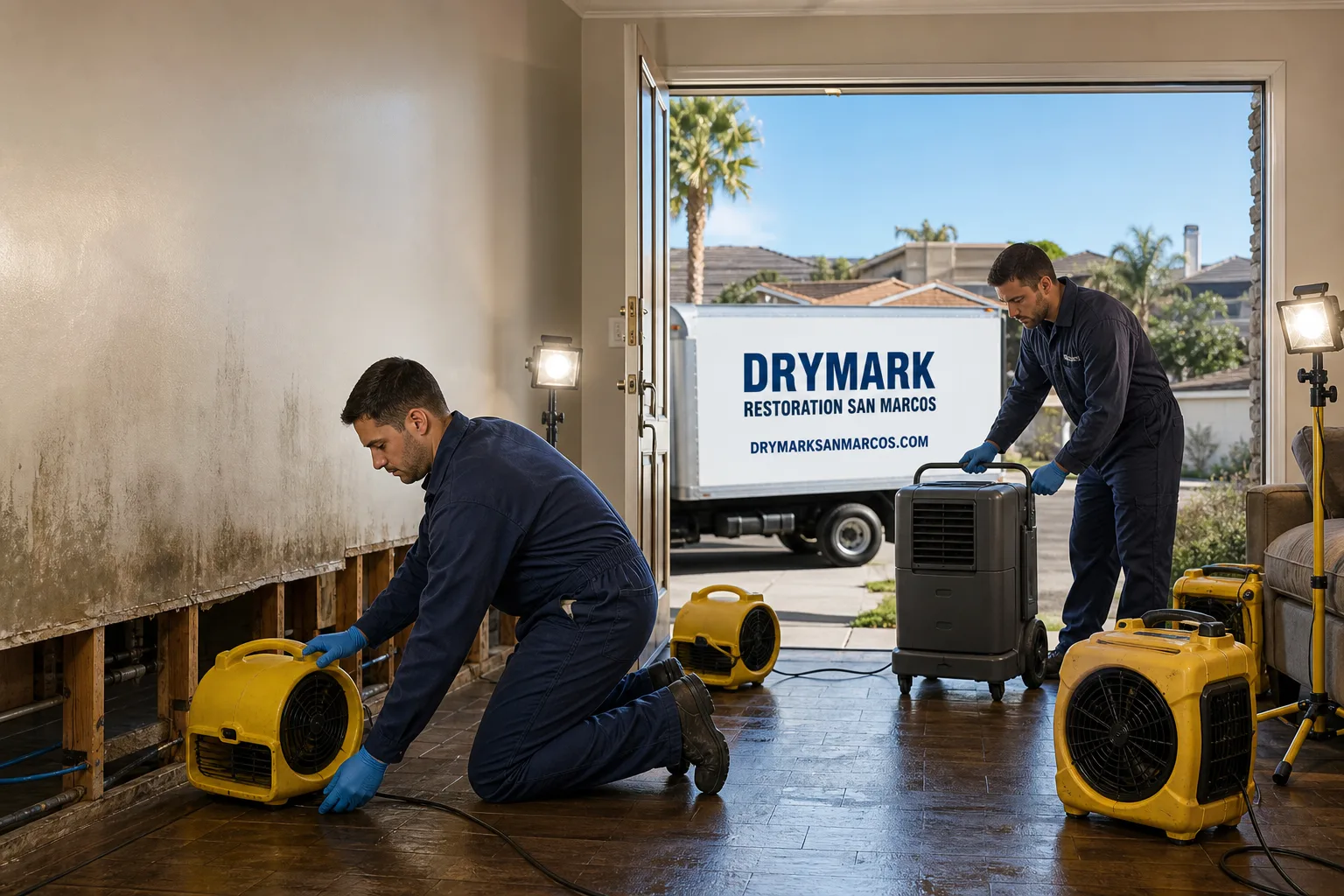
Free visual inspection and a written scope of work before any mitigation begins - photos, moisture readings, and drying logs go in your claim file
The scope we write is the scope we bill. Anything new gets shown to you, in writing, before we touch it.
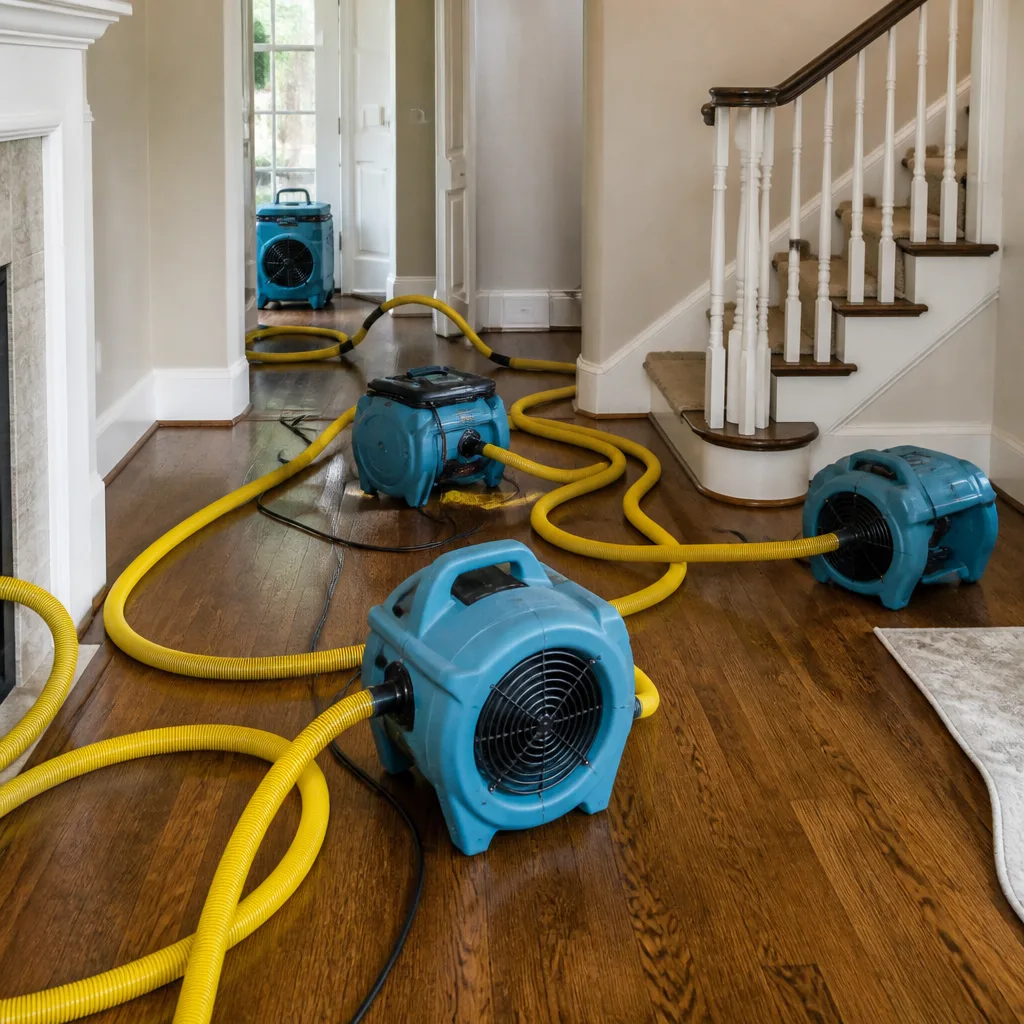

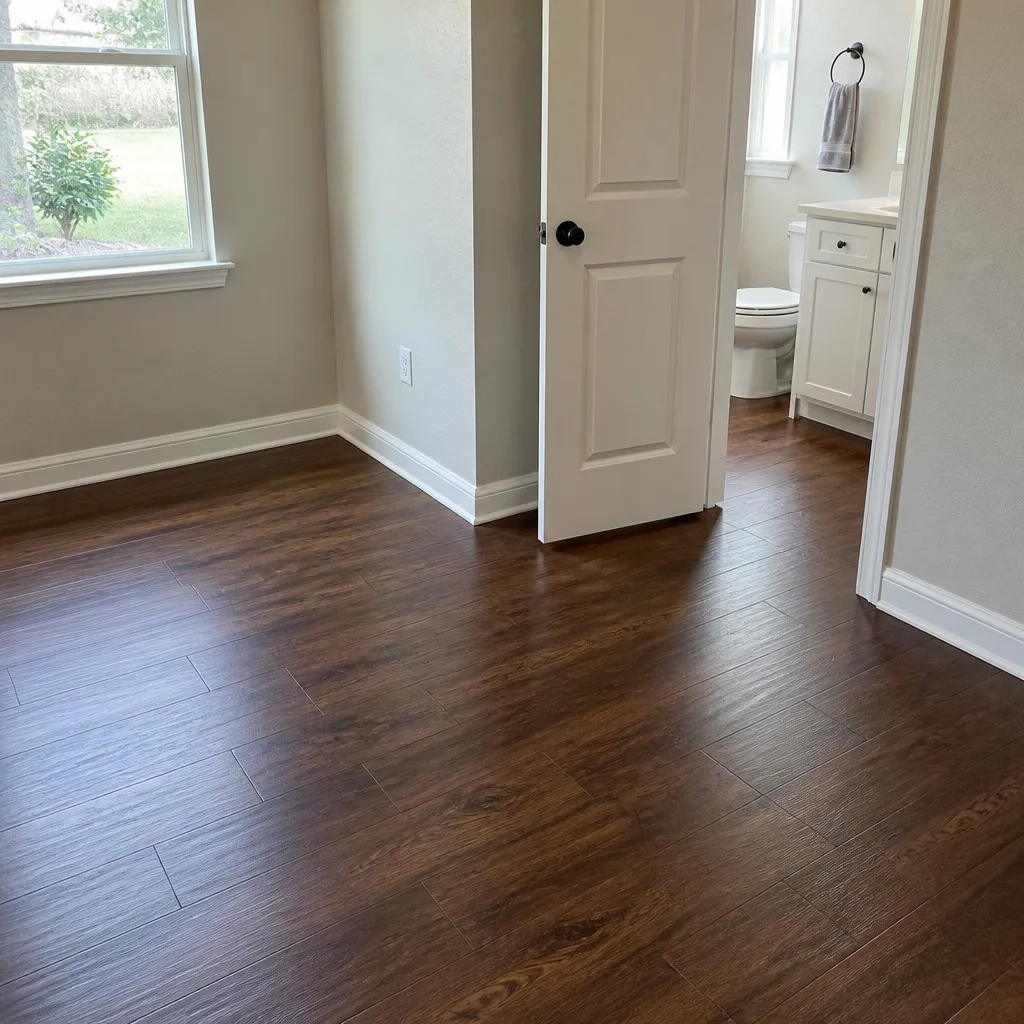

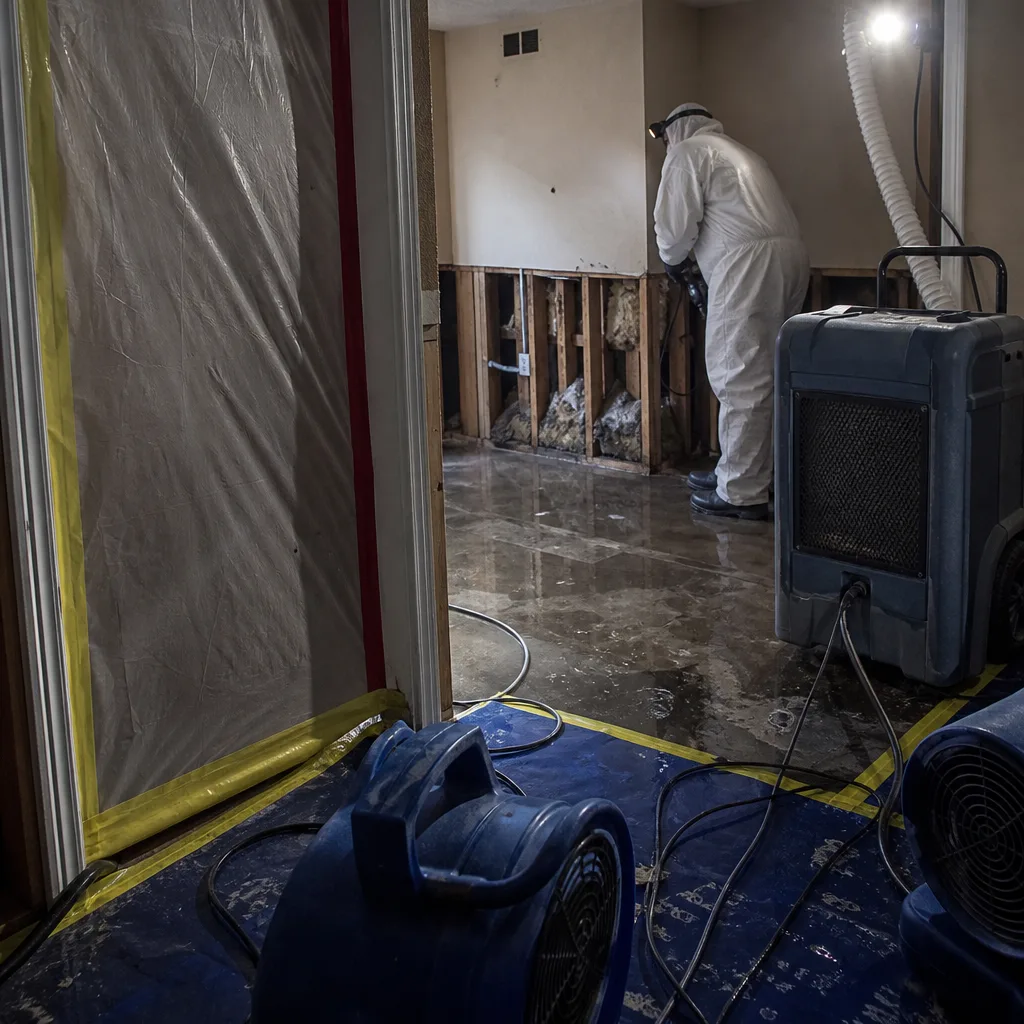 Before
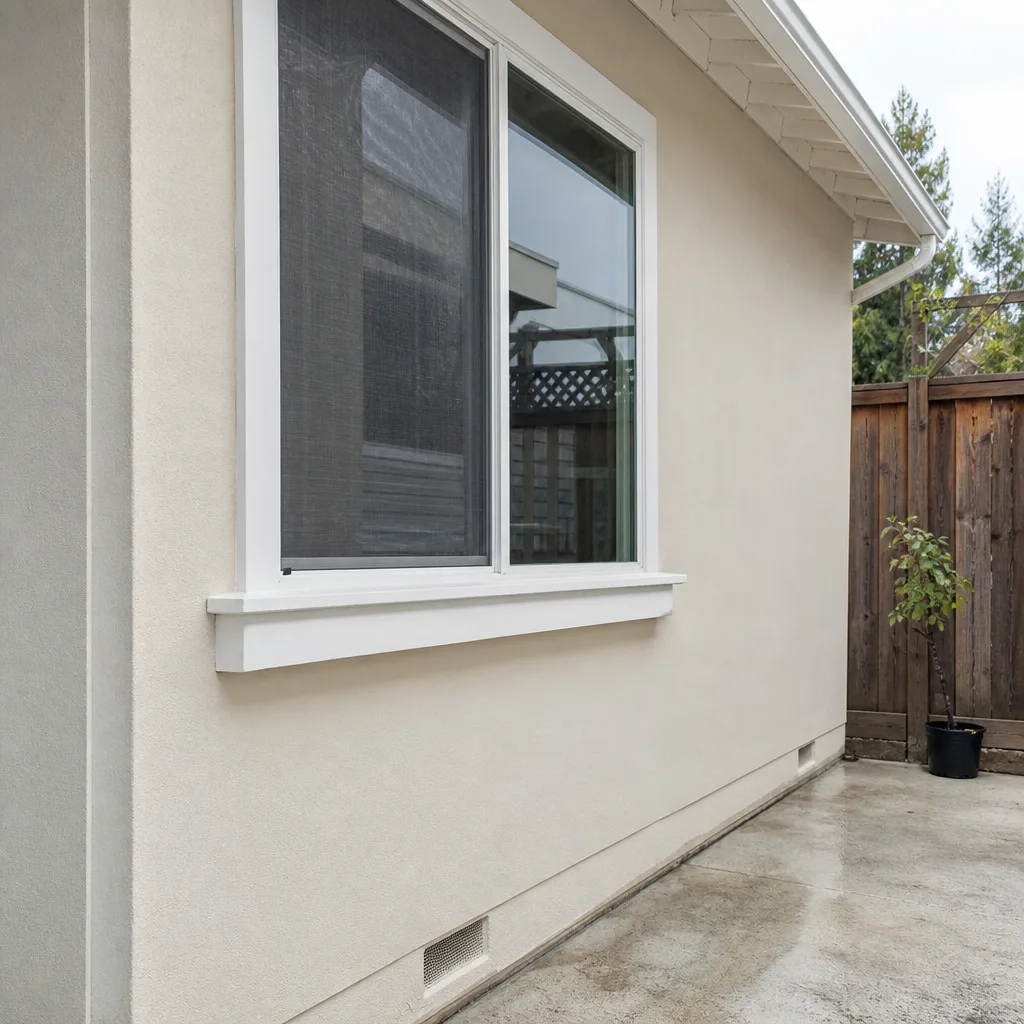 After
After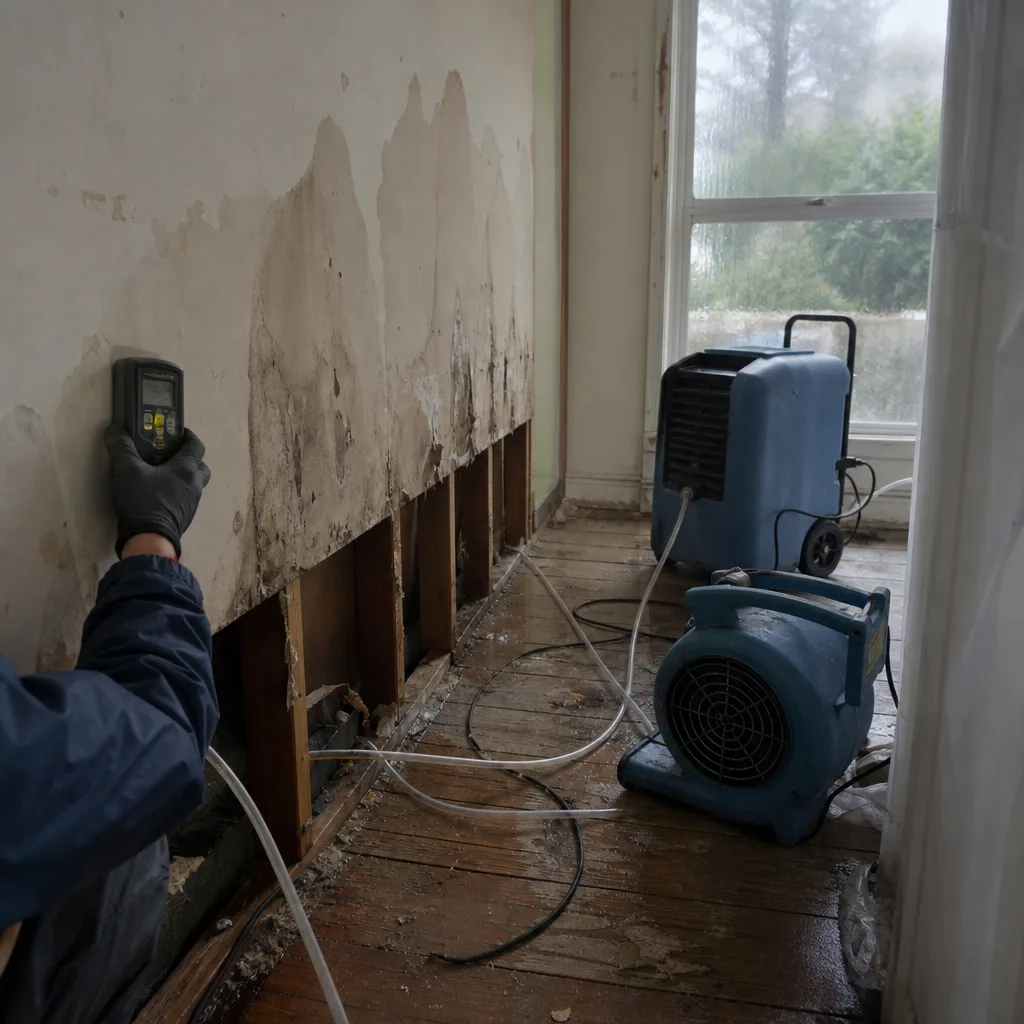 Before
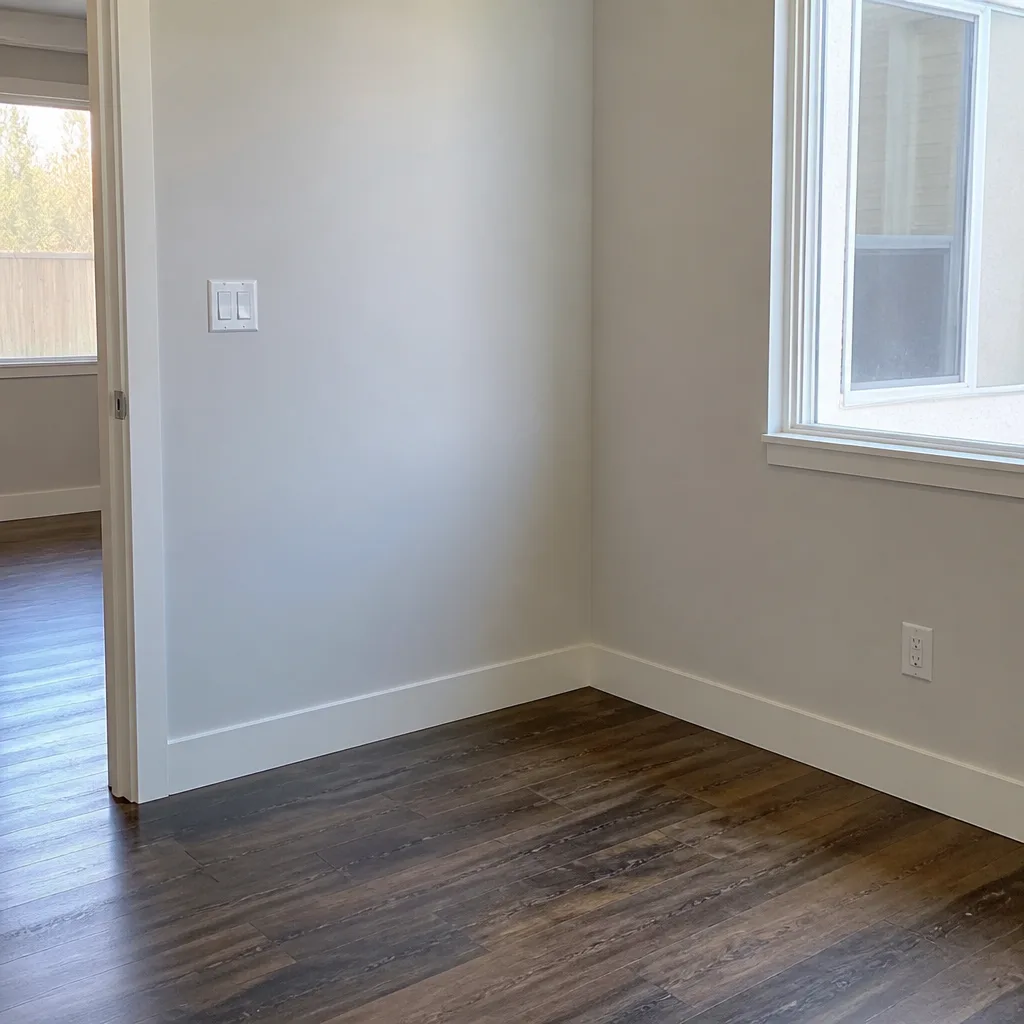 After
After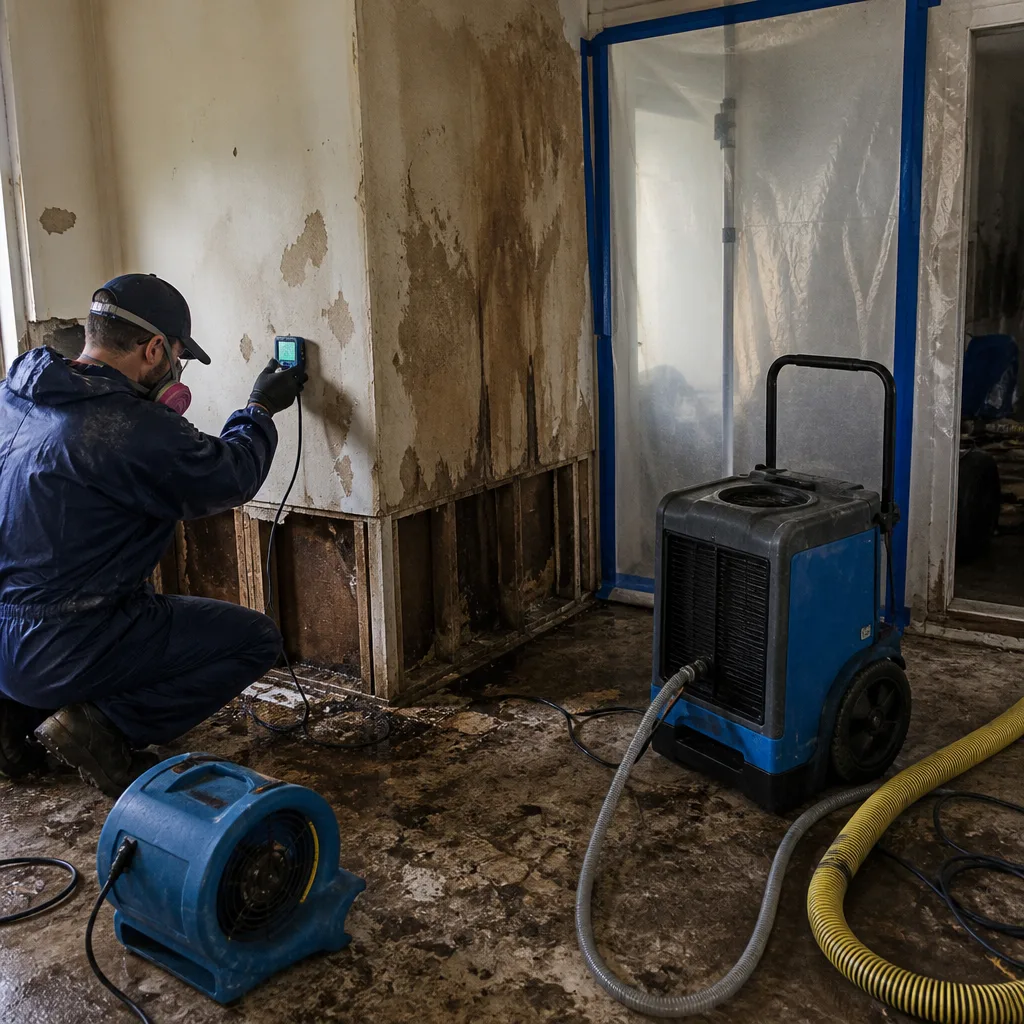 Before
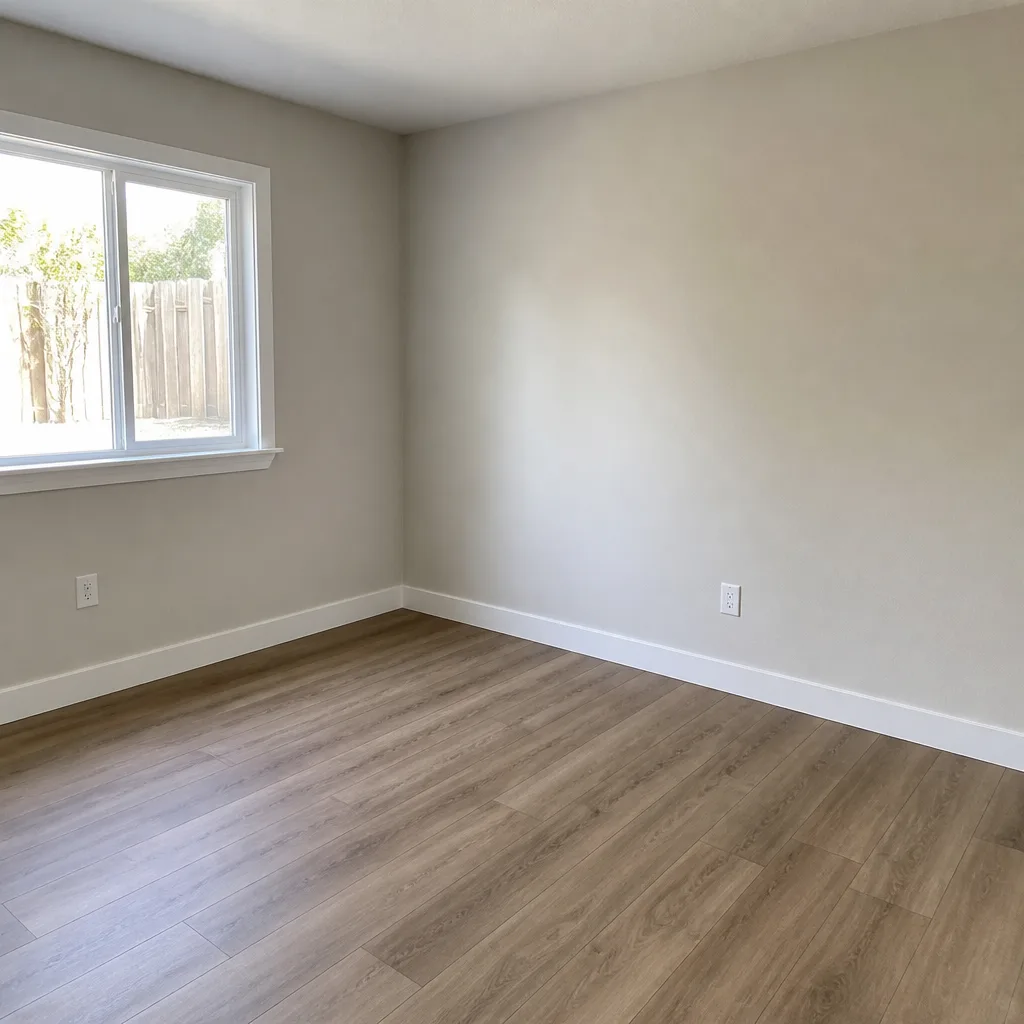 After
AfterFast, Reliable Water Damage Restoration Across Lake San Marcos
Water damage restoration in Lake San Marcos typically costs $2,800-$7,500 for a standard residential mitigation, with emergency water extraction starting at $1,200-$2,400 and structural drying running $180-$340 per day depending on equipment load. Most Lake San Marcos jobs require same-day dispatch because the community’s 1960s lakeside condos share concrete slabs and common walls that telegraph water into neighboring units within hours. Call (858) 434-8474 now - a live person answers every call, 24 hours a day, 7 days a week, and we’ll have a written price in your hands before any work begins.
We know Lake San Marcos. Our crews have dried units along the shoreline drive, in the original resort-core condos, and in the hillside townhomes that ring the lake. That local knowledge matters when we’re deciding whether a slab leak has already crossed into the unit next door, or whether the humidity pocket off the artificial lake means we need more dehumidification capacity than a standard inland San Diego County load calculation would suggest. Dispatch and scheduling are coordinated from our Los Angeles office, but our technicians serve Lake San Marcos locally and understand the documentation requirements that HOA-governed complexes demand.
Why DryMark Restoration San Marcos Is Lake San Marcos’s Preferred Water Damage Restoration Company
We’ve restored water damage in Lake San Marcos since we began serving North County San Diego, and the pattern is consistent: a 1960s condo unit calls with a slab leak, and by the time we arrive, moisture mapping shows the damage has already crossed the shared wall. Our reputation here is built on not being surprised by that. We arrive with multi-unit documentation protocols ready, HOA master-policy language in our scopes, and the equipment to dry blind cavities without unnecessary demolition.
Our Lake San Marcos customers leave reviews that mention the same things: the written price that showed up before anyone touched a tool, the photo record they received at the end of each day, the drying logs their adjuster accepted without argument. We’ve completed over 12,000 restorations since 2011, every one with a written price before work started and a documented record when the crew left. In Lake San Marcos specifically, that documentation discipline is what keeps HOA claims from stalling when the association’s master-policy adjuster and the unit owner’s carrier have to agree on who pays for what.
Response time to Lake San Marcos is typically 45-90 minutes from dispatch confirmation. We don’t quote arrival times we can’t meet. If we’re running long, the live dispatcher tells you - no voicemail, no callback tomorrow morning while water is still moving through your slab.
Our local knowledge extends to the building stock. We know which complexes still run original copper supply lines, which have had partial polybutylene replacements, and where the 1960s waterproofing membranes have deteriorated enough that a window leak isn’t really a window leak - it’s a building-envelope failure that changes the scope, the responsible party, and the documentation requirements. That difference matters when your claim is being reviewed.
Our Water Damage Restoration Services in Lake San Marcos
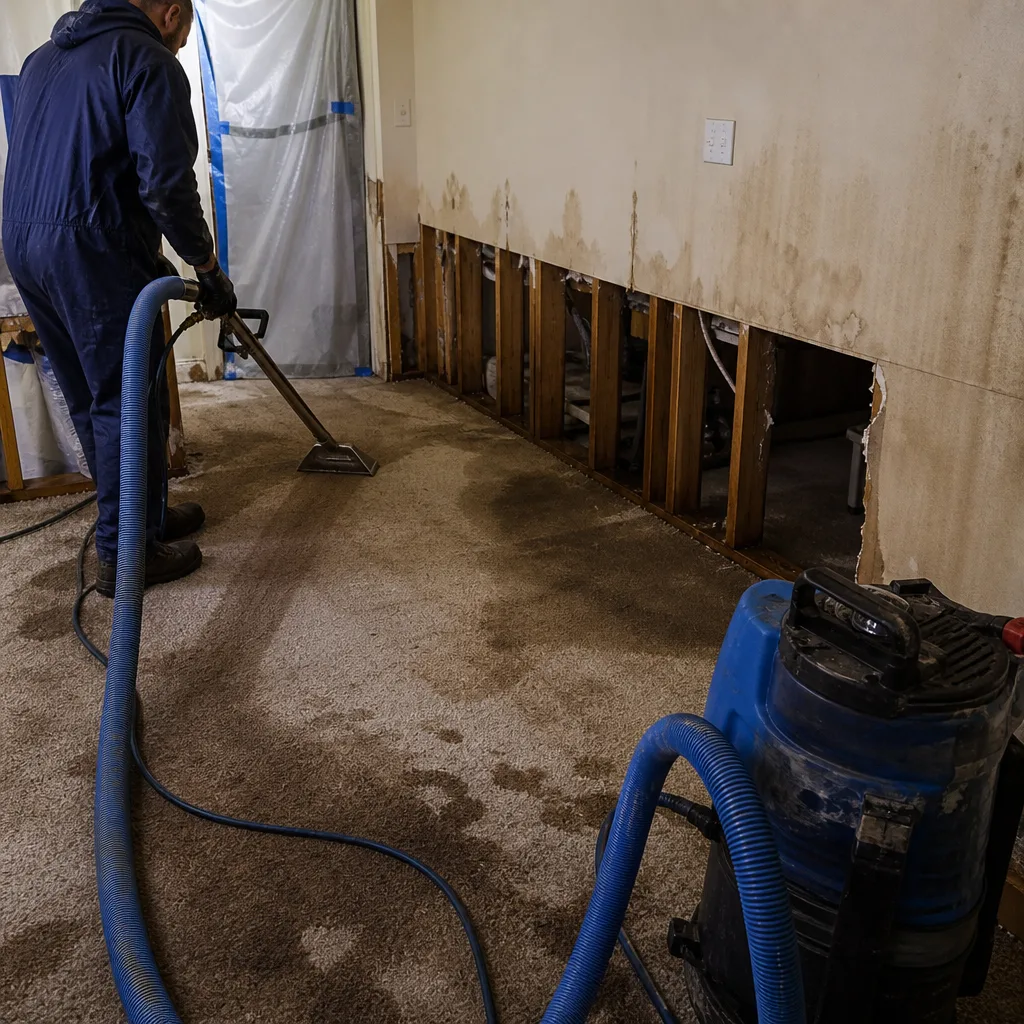
Emergency Water Extraction
When a supply line fails in a Lake San Marcos lakeside condo, the water doesn’t stay in one unit. The 1960s shared concrete slabs and common wall construction wick standing water laterally faster than most homeowners expect. Our emergency water extraction teams arrive with truck-mounted extraction systems rated for category 1 through category 3 water, and we extract from all affected units simultaneously - not just the one that called. In the resort-core condos near the shoreline, we’ve pulled standing water from three adjacent units in a single afternoon after a slab leak originated in the middle unit. Every extraction is photo-documented, moisture-mapped, and logged to IICRC standards before any drying equipment is placed. The written price for extraction is delivered before we start; Haven Standard, Clause 1.
Structural Drying & Dehumidification
Lake San Marcos’s artificial lake creates a localized humidity pocket that keeps relative humidity elevated near shoreline units year-round. This isn’t inland San Marcos or Escondido - the ambient moisture load means our psychrometric calculations start from a higher baseline, and our drying goals require more aggressive dehumidification capacity to hit safe moisture content in drywall, studs, and slab substrates. We deploy Phoenix and Dri-Eaz dehumidifiers sized to the actual vapor pressure differential, not a standard inland load chart. For shared-wall cavities in original 1960s construction, we use Injectidry panel systems to force dry air into blind stud bays without drilling through deteriorated waterproofing membranes. Tertiary drying - the final phase where we drop materials to their pre-loss equilibrium moisture content - takes longer in Lake San Marcos shoreline units, and we don’t pull equipment until the daily moisture logs prove we’re there. Every reading is documented and delivered with the photo record.
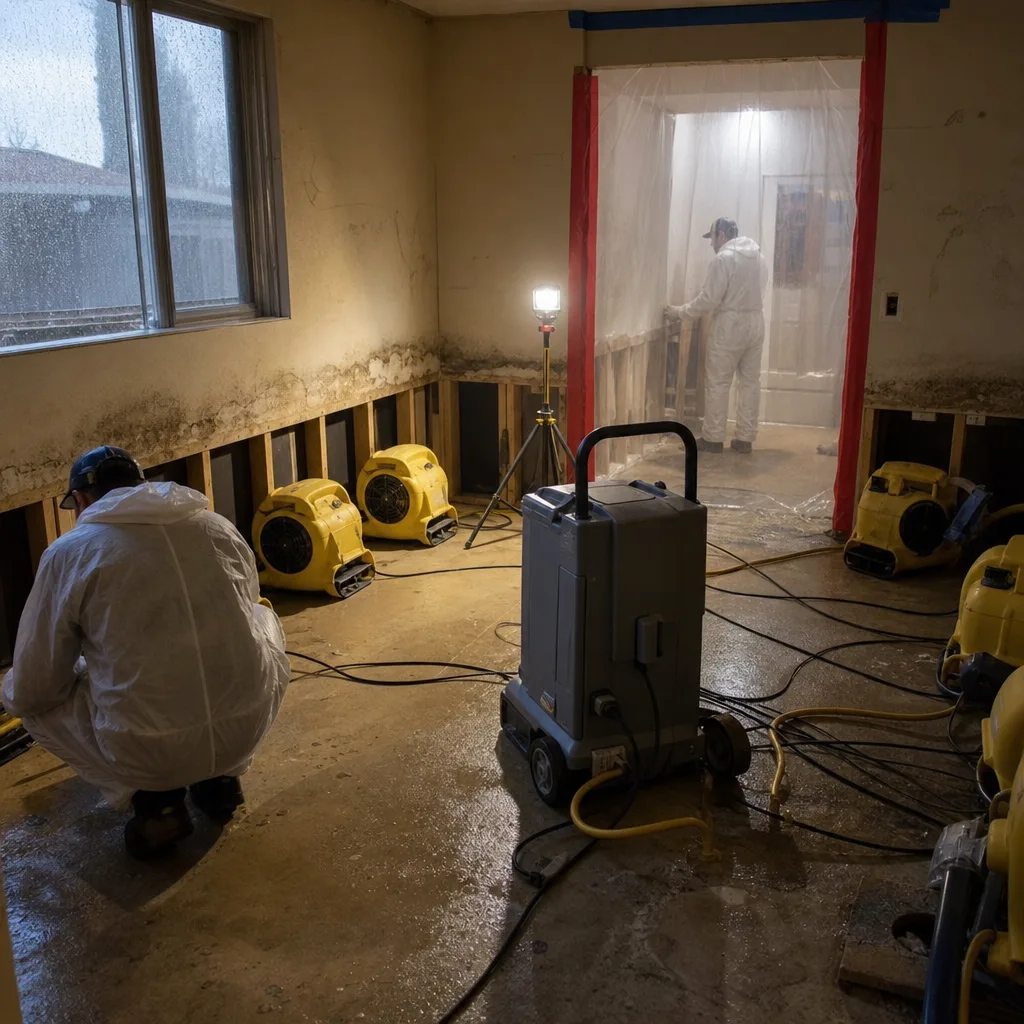
Flood Cleanup
Flash flooding in Lake San Marcos is rare but not impossible, particularly for lower-level units in the resort-core complexes during heavy winter storms when drainage systems are overwhelmed. More commonly, we see “flood” conditions from failed water heaters in ground-floor utility closets or washing machine supply bursts in stacked units. The flood cleanup protocol changes when water crosses unit boundaries - category 1 water becomes category 2 or 3 once it traverses shared building materials, and the documentation requirements multiply. We categorize the water correctly on arrival, document the source and flow path with photos, and build the written scope around the actual contamination level, not what the water started as. For HOA complexes, we coordinate with property management to establish emergency power access for our equipment and to document pre-loss conditions in adjacent units before secondary damage develops.
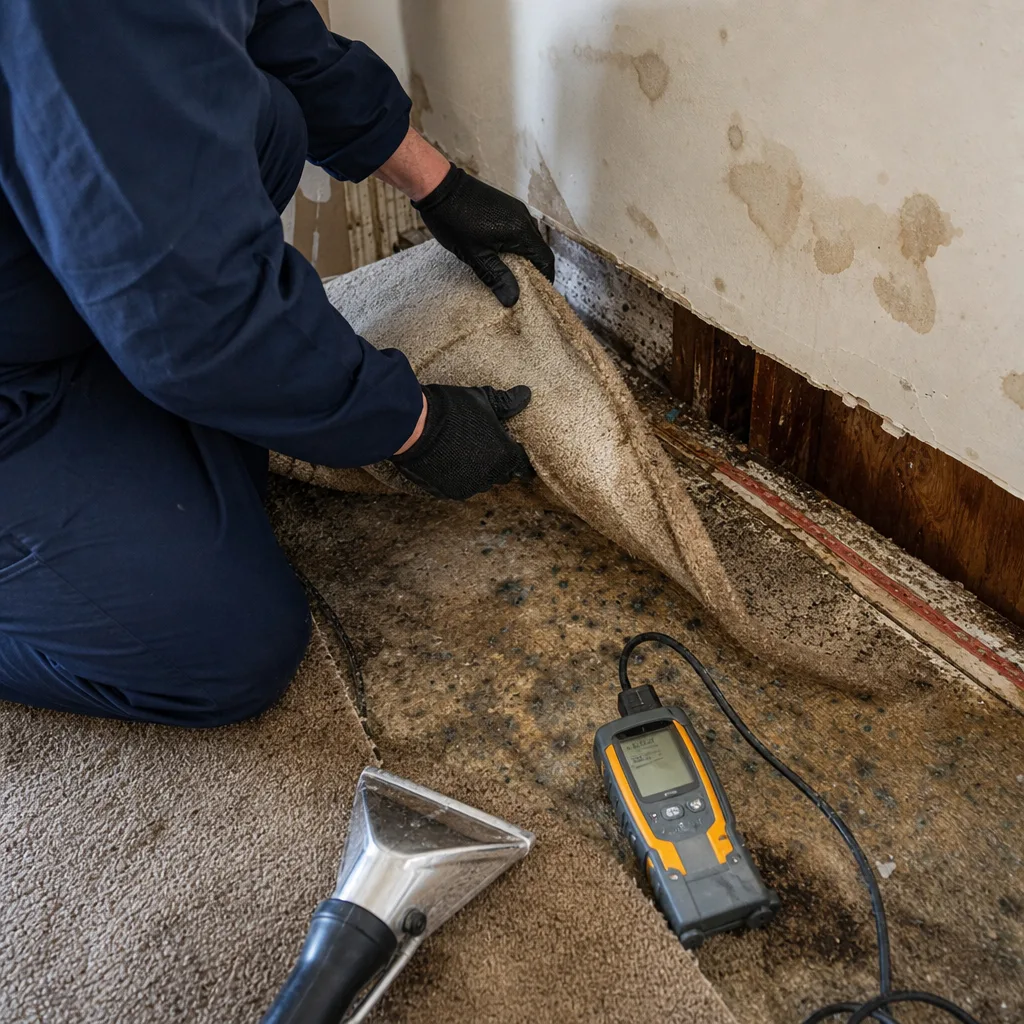
Burst Pipe Restoration
Burst pipe restoration in Lake San Marcos is almost always a multi-unit proposition. The original 1960s copper supply lines are hitting failure age simultaneously across entire complexes, and a single burst under a shared slab routinely pressurizes water into two or three neighboring units through expansion joints and control joints in the concrete. Our burst pipe protocol includes immediate isolation of the affected line, full-structure moisture mapping to identify all impacted units, and simultaneous documentation of pre-loss conditions in adjacent spaces. We don’t dry one unit and hope the neighbors are fine - we map, document, and scope every affected space before equipment is placed. The written price covers all documented areas; Haven Standard, Clause 1 prohibits scope-creep additions once our crew is inside. We also coordinate directly with your adjuster and, for HOA properties, with the association’s master-policy carrier to establish coverage boundaries before mitigation begins.
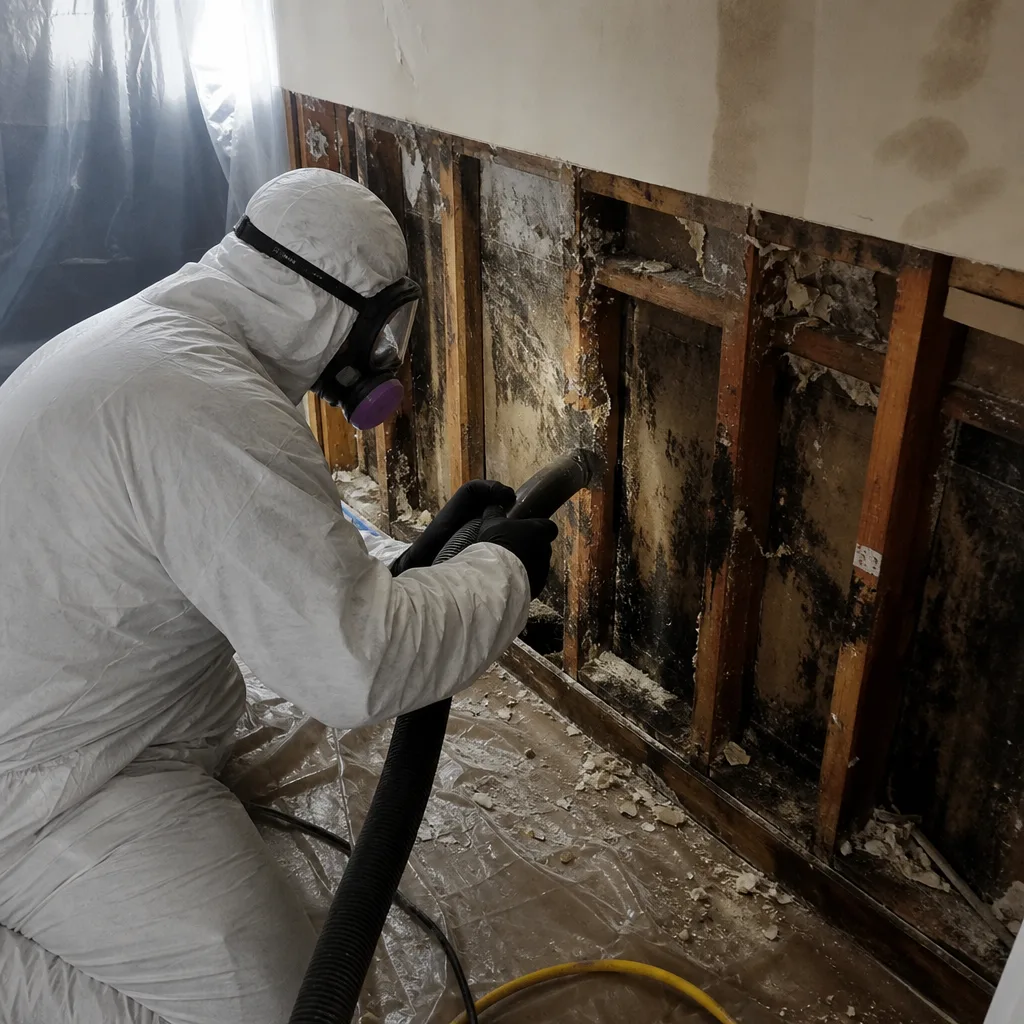
What happens when you call
- 1
A real person answersNo phone trees - you reach a local pro.
- 2
You get an upfront price rangeHonest numbers before anyone is dispatched.
- 3
A background-checked tech heads outLicensed & insured, dispatched right away.
- 4
You approve before work beginsNothing starts until you say go.
BeforeAfterTrusted Equipment & Standards We Deploy in Lake San Marcos
Our drying systems are built around equipment from Dri-Eaz, Phoenix, and B-Air - brands that produce the psychrometric data and daily drying logs that turn restoration invoices into payable insurance claims. We document to IICRC, RIA, and IFA standards not as a marketing claim, but because those documentation protocols are what adjusters recognize and accept. In Lake San Marcos specifically, the Injectidry panel system is essential equipment: it lets us dry shared-wall cavities in original 1960s construction without destructive demolition that would trigger additional HOA approval processes and coverage disputes. We stock replacement components locally, so if a dehumidifier needs a filter or an air mover needs a cord repair, we’re not waiting on a parts shipment while your mold clock ticks. Every piece of equipment on your job is logged by serial number, run-time, and daily output - part of the documentation package you receive at project closeout.
Common Water Damage Restoration Problems We See in Lake San Marcos Homes
- Slab leaks that telegraph into neighboring units. The 1960s shared concrete slabs in Lake San Marcos’s resort-core condos have no effective moisture barrier between units. A single slab leak pressurizes water laterally through control joints, and by the time staining appears on drywall, two or three units are affected. We moisture-map the full slab on every call, not just the visible damage area.
- Lakeside humidity accelerating mold colonization. Shoreline units in Lake San Marcos sit in a year-round humidity pocket that inland Escondido and San Marcos properties don’t experience. Wet drywall in these units hits mold threshold in 24-36 hours, not the 48-72 hours typical of drier climates. Our dehumidification loads and equipment counts reflect that tighter timeline.
- Failed 1960s waterproofing membranes misdiagnosed as plumbing leaks. Original-era waterproofing behind tile and at window penetrations has deteriorated across entire complexes. Water intrusion that looks like a pipe leak is often building-envelope failure, which changes the responsible party from the unit owner to the HOA master policy. We diagnose the true source before scoping, so your claim is filed correctly the first time.
- HOA documentation gaps stalling scope approval. Nearly every Lake San Marcos water damage job involves two adjusters: the unit owner’s carrier and the HOA’s master-policy carrier. Without pre-loss condition documentation, drying logs for all affected units, and a written scope that allocates costs by responsible party, the claim sits in review while moisture continues to damage building materials. We build that documentation package from day one.
Pricing for Water Damage Restoration in Lake San Marcos, CA
Water damage restoration pricing in Lake San Marcos runs comparable to North County San Diego generally, with adjustments for the multi-unit documentation and elevated dehumidification loads that shoreline properties require. Emergency water extraction for a standard condo unit: $1,200-$2,400. Structural drying and dehumidification: $180-$340 per day, with Lake San Marcos shoreline units typically requiring 4-7 days versus 3-5 for drier inland locations. Burst pipe restoration with multi-unit moisture mapping and documentation: $3,500-$7,500. Flood cleanup involving category 2 or 3 water: $4,200-$9,000 depending on affected square footage and required contents manipulation.
What moves the price: number of affected units, water category (clean, gray, or black), whether Injectidry or other specialized cavity-drying is needed, and the documentation burden for HOA master-policy coordination. Every job receives a written price before work begins - Haven Standard, Clause 1 - with no additions once our crew is inside. We also offer a Free Second Opinion on any competitor’s written estimate; bring their scope and we’ll review it at no charge. Call (858) 434-8474 for your written estimate.
| Service | Typical Range in Lake San Marcos |
|---|---|
| Emergency Water Extraction | $1,200 - $2,400 |
| Structural Drying (per day) | $180 - $340 |
| Burst Pipe Restoration | $3,500 - $7,500 |
| Flood Cleanup (Cat 2/3) | $4,200 - $9,000 |
| Multi-Unit HOA Documentation | Included in scope, no additional fee |
We Also Serve Cities Near Lake San Marcos
Our Water Damage Restoration teams respond throughout North County San Diego, including Lake San Marcos, San Marcos, Escondido, Vista, and Carlsbad. Each city’s building stock, climate conditions, and documentation requirements shape how we scope and execute restoration work - what works in a 1990s Escondido tract home differs from a 1960s Lake San Marcos lakeside condo, and our protocols reflect those differences.
Serving Lake San Marcos, CA - Our Local Coverage Area
We’re based in the Lake San Marcos area and know this community well. Use the map below to see our service coverage - if you’re nearby, we can almost certainly help.
FAQs - Water Damage Restoration in Lake San Marcos
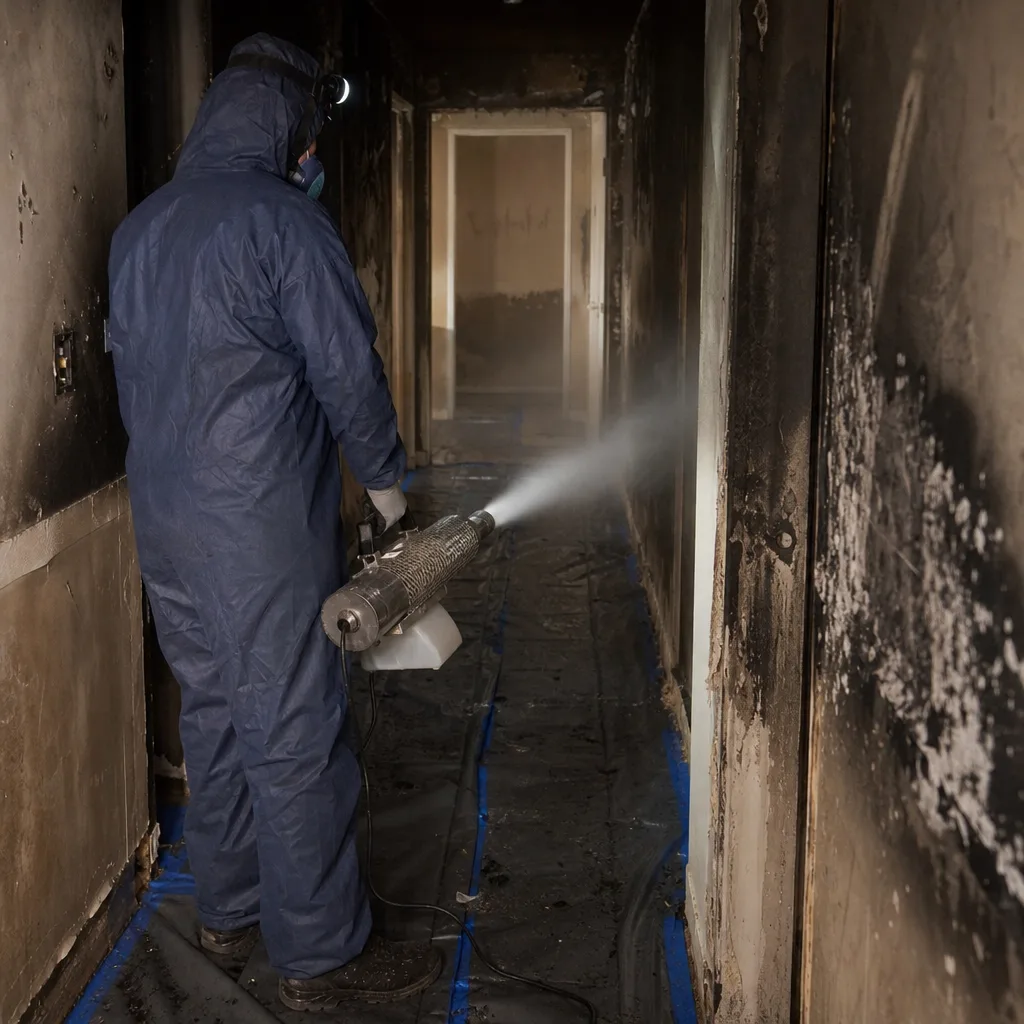
The artificial lake creates a localized humidity pocket that keeps baseline relative humidity elevated near shoreline units, so wet materials start closer to mold threshold and cross it faster. In practical terms, we see mold colonization on wet drywall in Lake San Marcos shoreline units at 24-36 hours versus 48-72 hours in drier inland climates. Our dehumidification loads and equipment counts are calculated for that tighter timeline. Call (858) 434-8474 and we’ll assess your specific moisture readings.
Both policies are typically involved: your unit owner’s policy covers your unit’s finishes and contents, while the HOA’s master policy usually covers the building envelope, shared slabs, and common walls. The critical step is documenting pre-loss conditions in all affected units before mitigation begins, so each adjuster can allocate costs correctly. We coordinate with both carriers and provide the drying logs and photo records each requires. Haven Standard documentation is built for exactly this situation.
We use Injectidry panel systems as a first-line approach on original 1960s shared walls because drilling through deteriorated waterproofing to dry blind cavities is often less invasive than full demolition, and it preserves the building envelope that the HOA master policy is responsible for maintaining. If moisture mapping shows the cavity can’t be dried effectively with injected airflow, we’ll document why and present options in writing before any destructive work begins. Call (858) 434-8474 for an assessment of your specific wall assembly.
No. Water that starts as category 1 - clean water from a supply line - becomes category 2 or 3 once it crosses shared building materials, mixes with slab substrate, or flows through common wall cavities where it contacts insulation, fireblocking, or prior contamination. We test and categorize on arrival, document the classification with photos, and build the written scope around the actual contamination level. The price reflects the actual work required; Haven Standard, Clause 1.
The fire hazard designation doesn’t change water damage restoration protocols directly, but it matters for documentation: properties in moderate-to-high fire hazard zones often have specific insurer requirements for material replacement and restoration methods that standard policies don’t include. We note the fire hazard zone classification in our scope documentation so your adjuster has the full property context. During Santa Ana wind events, we also coordinate with property management on equipment security and power continuity.
Written by Alicia Brennan, Owner at DryMark Restoration San Marcos, serving Lake San Marcos since 2011 under The Haven Standard.