
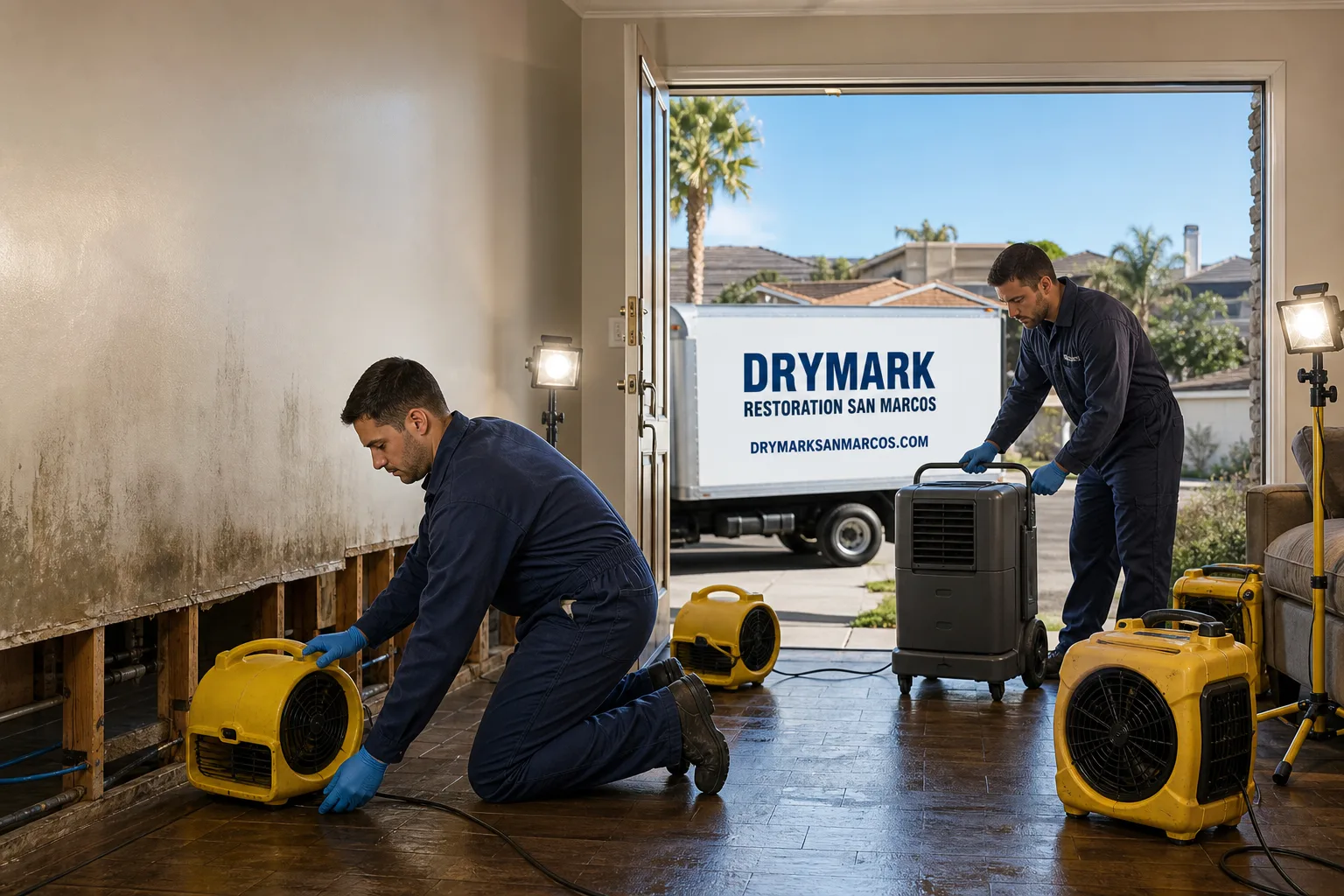
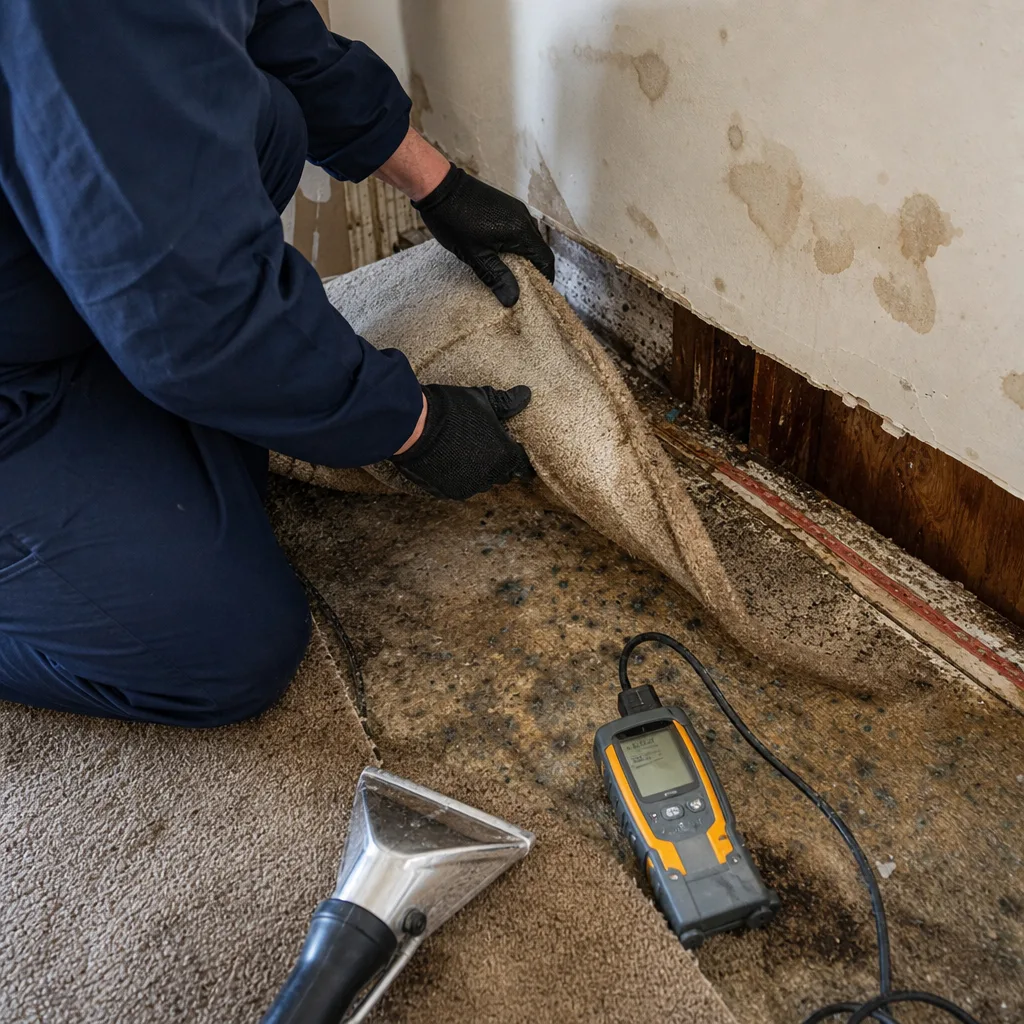
Free visual inspection and a written scope of work before any mitigation begins - photos, moisture readings, and drying logs go in your claim file
The scope we write is the scope we bill. Anything new gets shown to you, in writing, before we touch it.
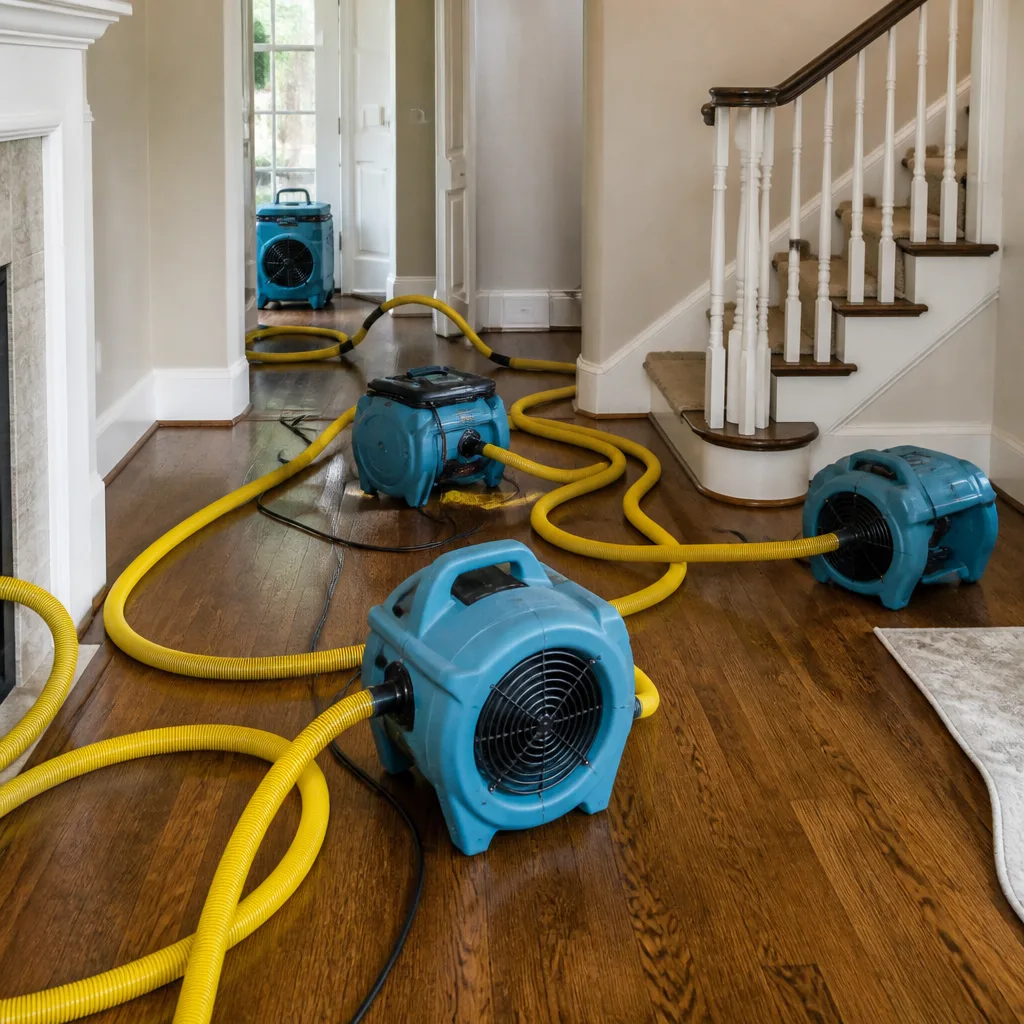

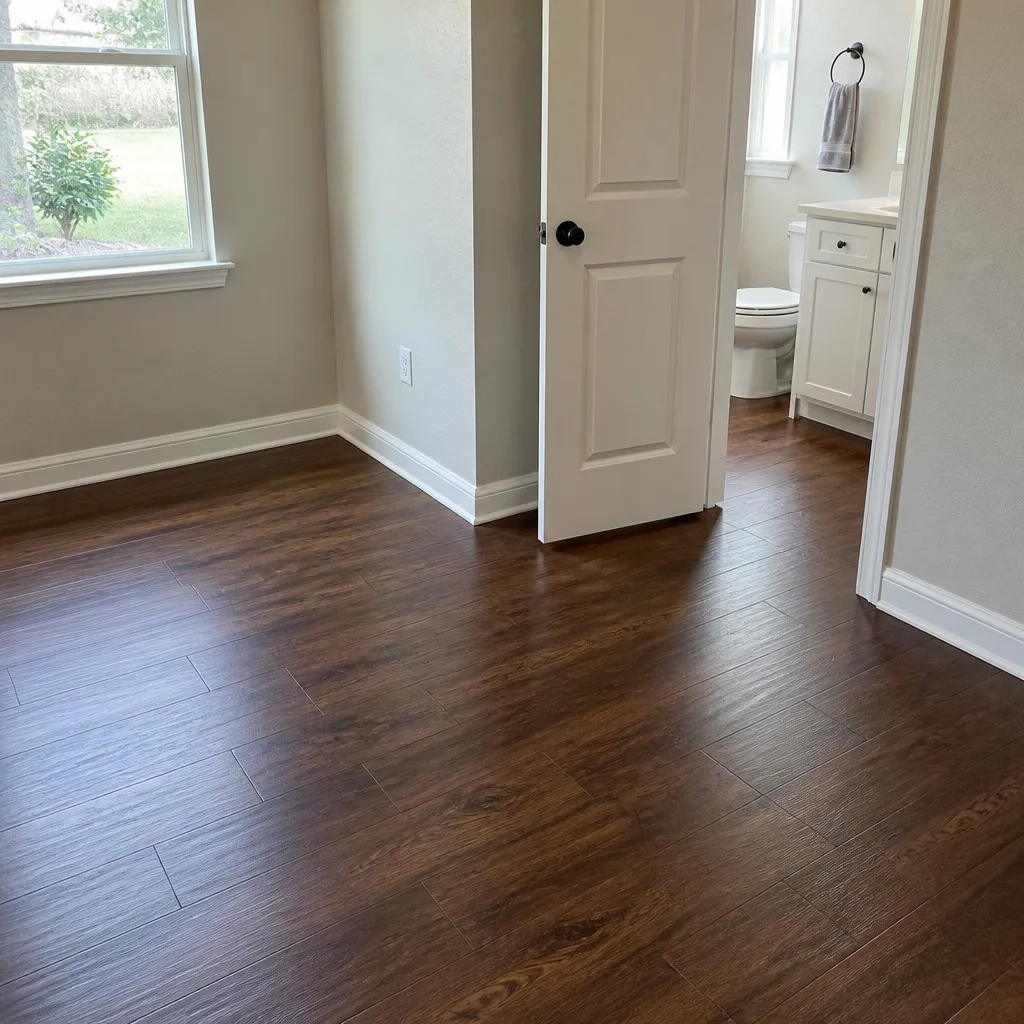

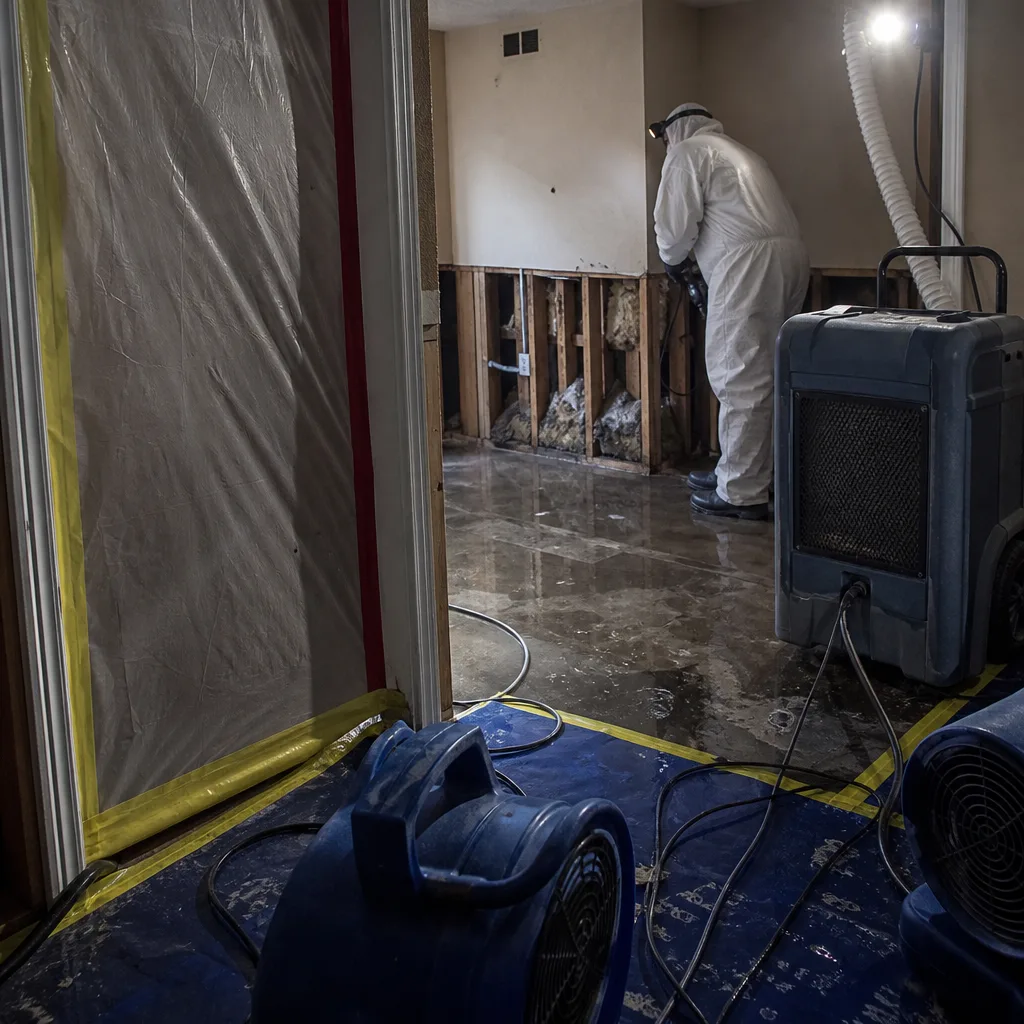 Before
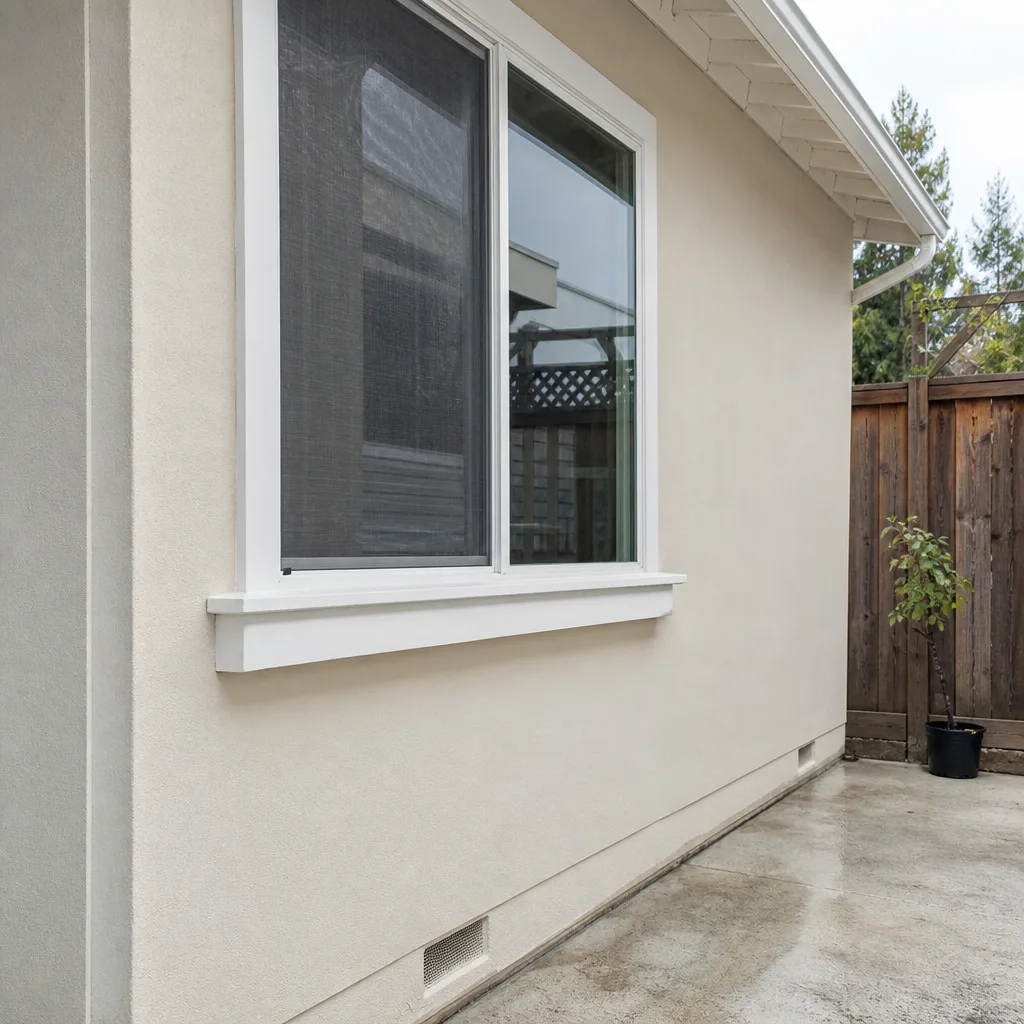 After
After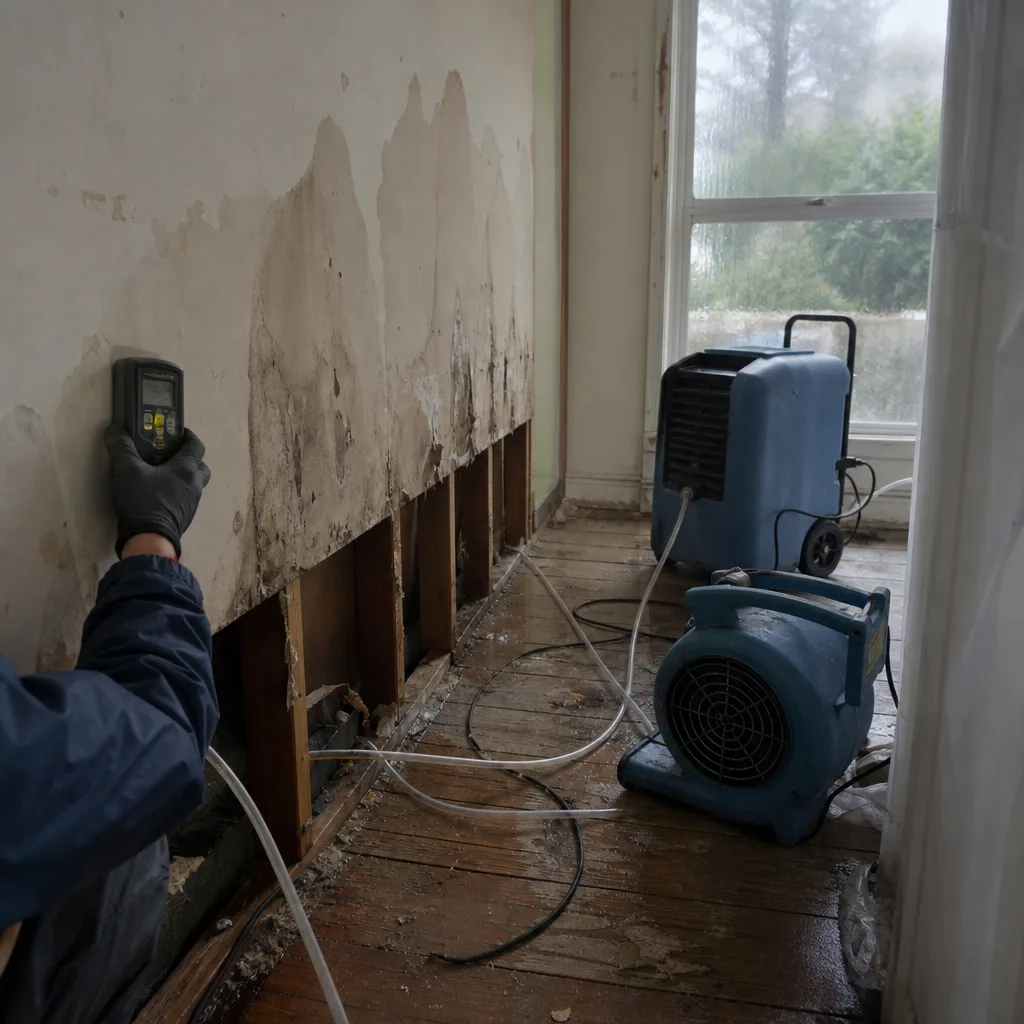 Before
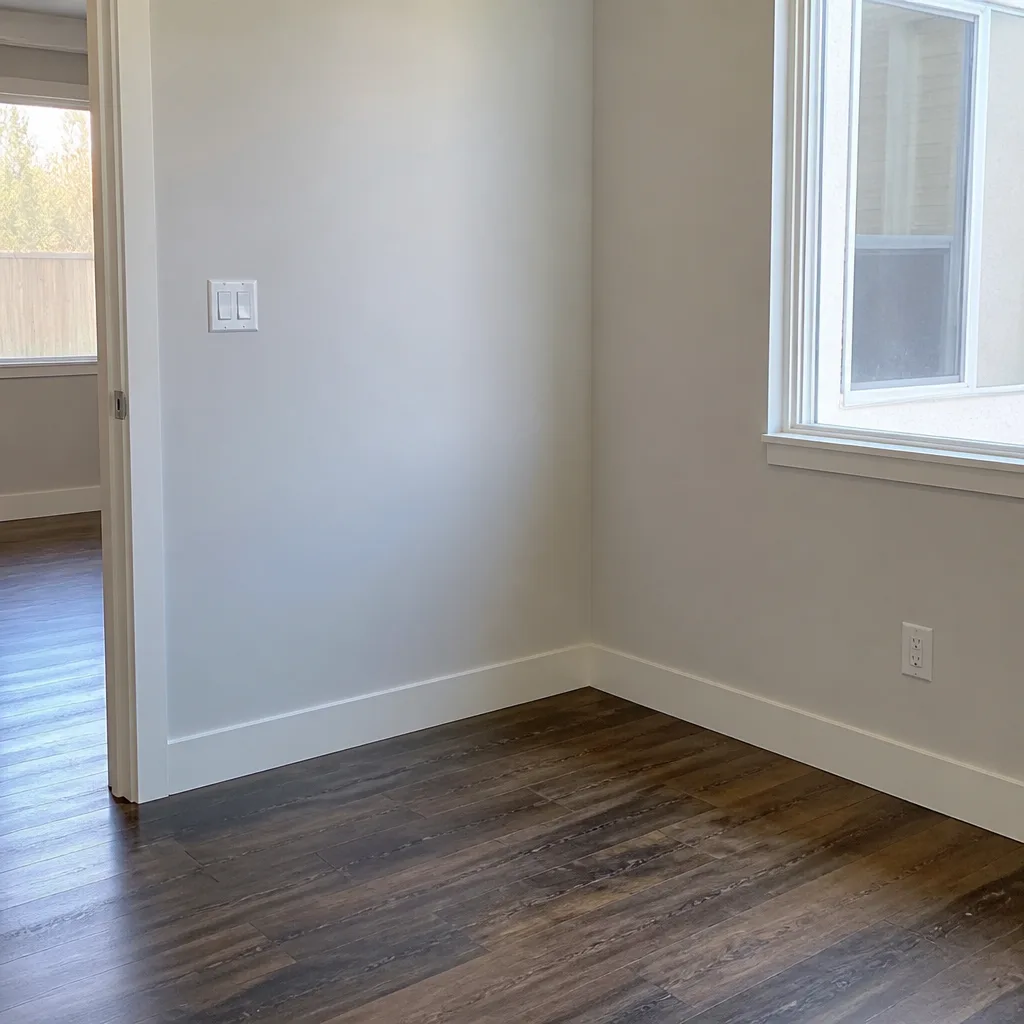 After
After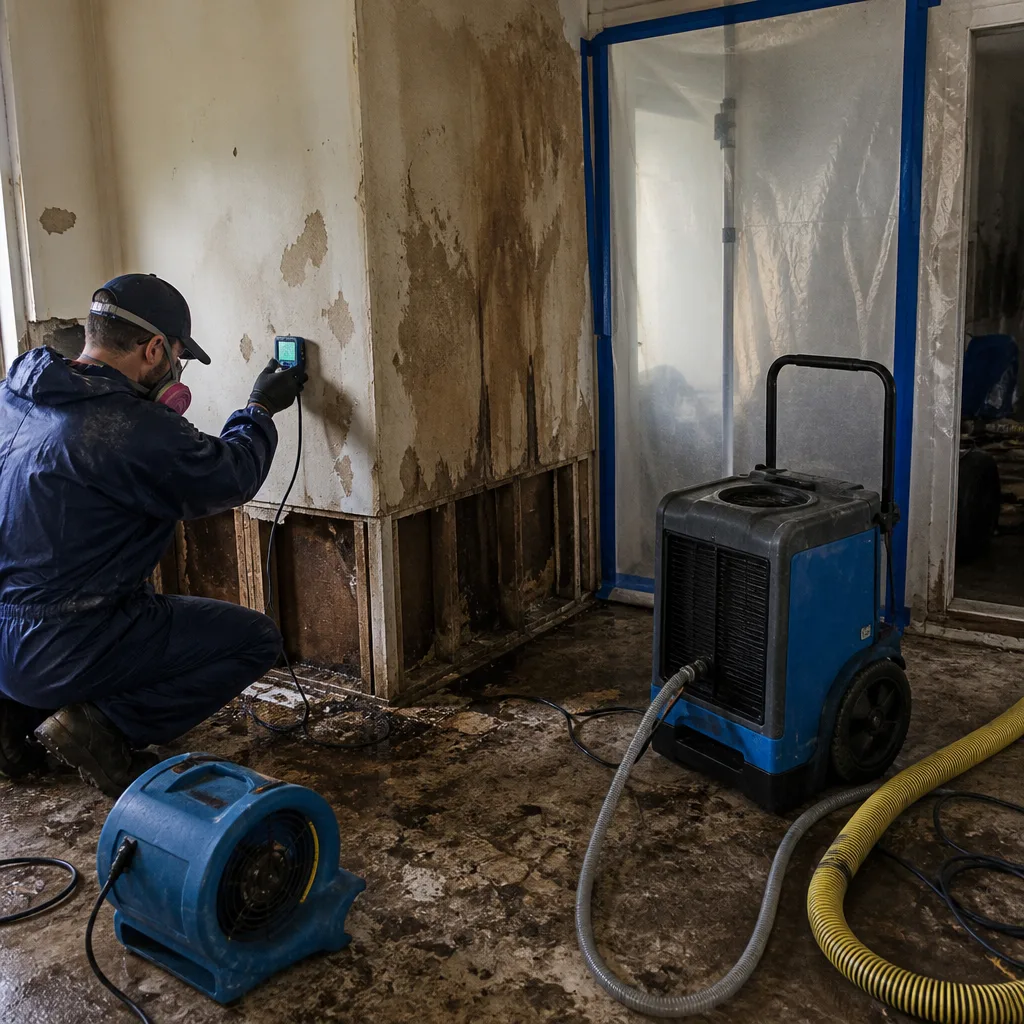 Before
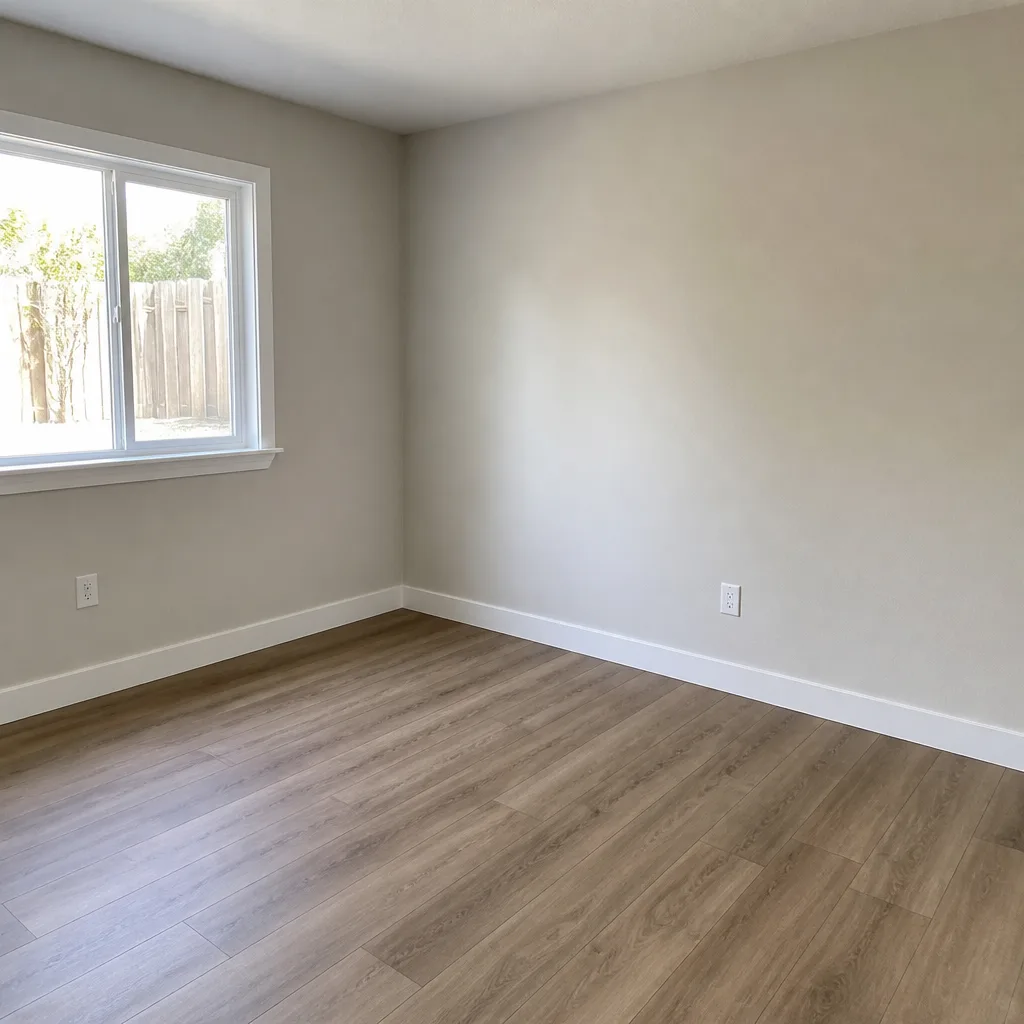 After
AfterFast, Reliable Water Damage Restoration Across San Marcos
Water damage restoration in San Marcos typically runs $2,800-$6,500 for a standard residential job, with emergency extraction available within 60-90 minutes of your call. Our crews are dispatched from our San Diego coordination office and carry Dri-Eaz extractors, Phoenix dehumidifiers, and XPOWER air movers pre-loaded for immediate deployment to San Marcos neighborhoods from Discovery Hills to Twin Oaks Valley. Call (858) 434-8474 - a live person answers, 24 hours a day, 7 days a week, with no voicemail trees while water is still moving through your walls.
We’re familiar with the specific ways San Marcos homes fail. The 1980s-2000s stucco-over-wood-frame subdivisions that dominate this inland valley dry slowly, hide moisture behind cladding, and trap smoke residue in ductwork when Santa Ana winds push wildfire contamination deep into wall cavities. Our Water Damage Restoration team documents every moisture reading, every photo, every drying log - the documentation that turns an insurance claim into a check an adjuster pays without argument.
Why DryMark Restoration San Marcos Is San Marcos’s Preferred Water Damage Restoration Company
We’ve restored more than 12,000 homes since 2011, every one with a written price before work started and a photo record when the crew left. Alicia Brennan founded Back to Dry after working as a claims adjuster and watching homeowners lose legitimate claims to sloppy documentation. That origin shapes how we operate in San Marcos today.
Our crews know the difference between a Discovery Hills hillside lot with graded drainage issues and a Twin Oaks Valley canyon-edge home where ember intrusion and smoke contamination complicate every water call. We don’t guess. We measure vapor pressure differential, document psychrometric data, and deliver daily drying logs that satisfy IICRC standards and insurance adjusters alike.
Haven Standard, Clause 1: a written price before any work starts, every time, with no scope-creep additions once our technicians are inside your home. Haven Standard, Clause 2: a documented photo record on every visit, included as standard, never an upsell. And our 365-Day Done Right Promise means if it’s not done right, we make it right - a signed guarantee, not a marketing line.
Need a second opinion? Bring any competitor’s written estimate and we’ll review it free of charge.
Our Water Damage Restoration Services in San Marcos
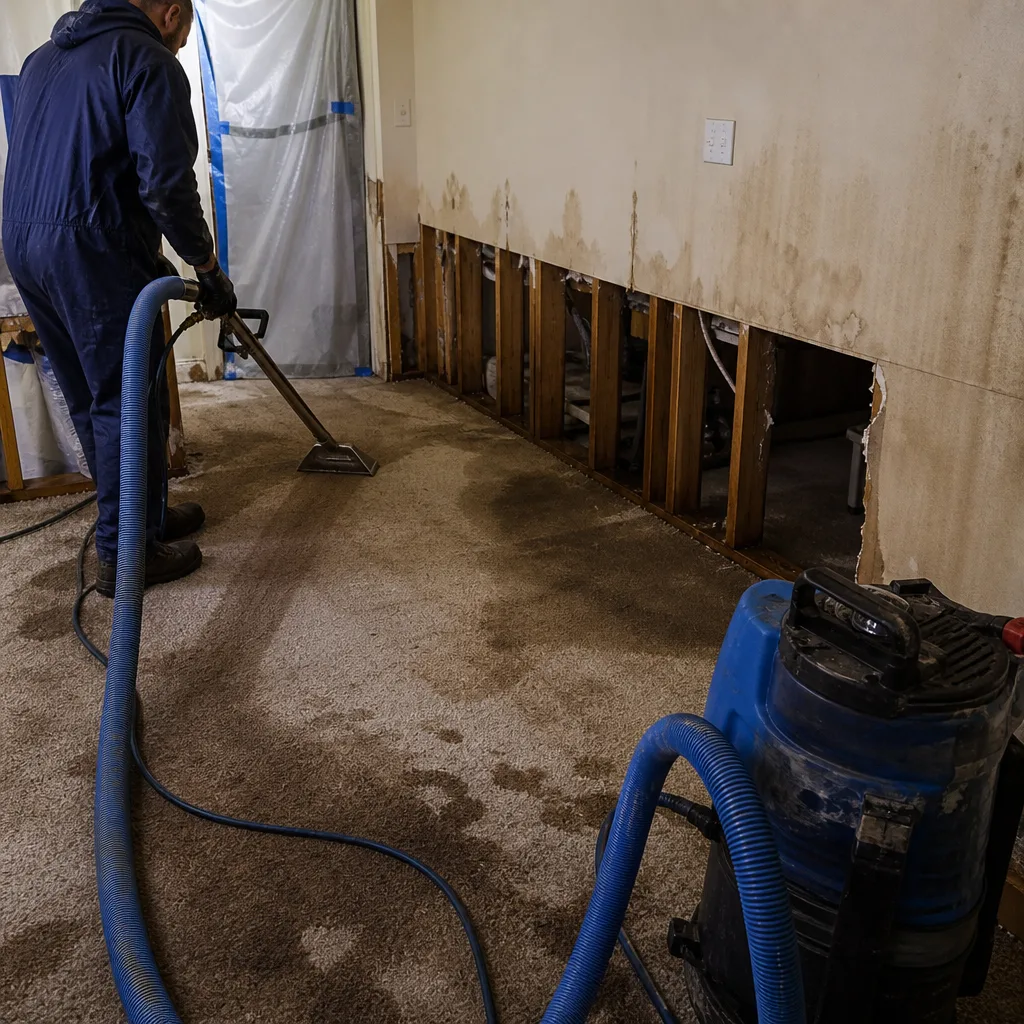
Emergency Water Extraction
Standing water doesn’t wait, and neither do we. Our crews arrive with Dri-Eaz flood pumpers and truck-mounted extraction systems to remove water from carpet, tile, and hardwood before it wicks into baseboards and wall cavities. In San Marcos, we see this most often after supply line bursts in older master-planned homes and when El Niño events overwhelm hillside drainage in Discovery Hills. The extraction phase typically takes 2-4 hours for a standard single-family home, and we begin moisture mapping immediately with penetrating and non-penetrating meters to establish baseline readings.
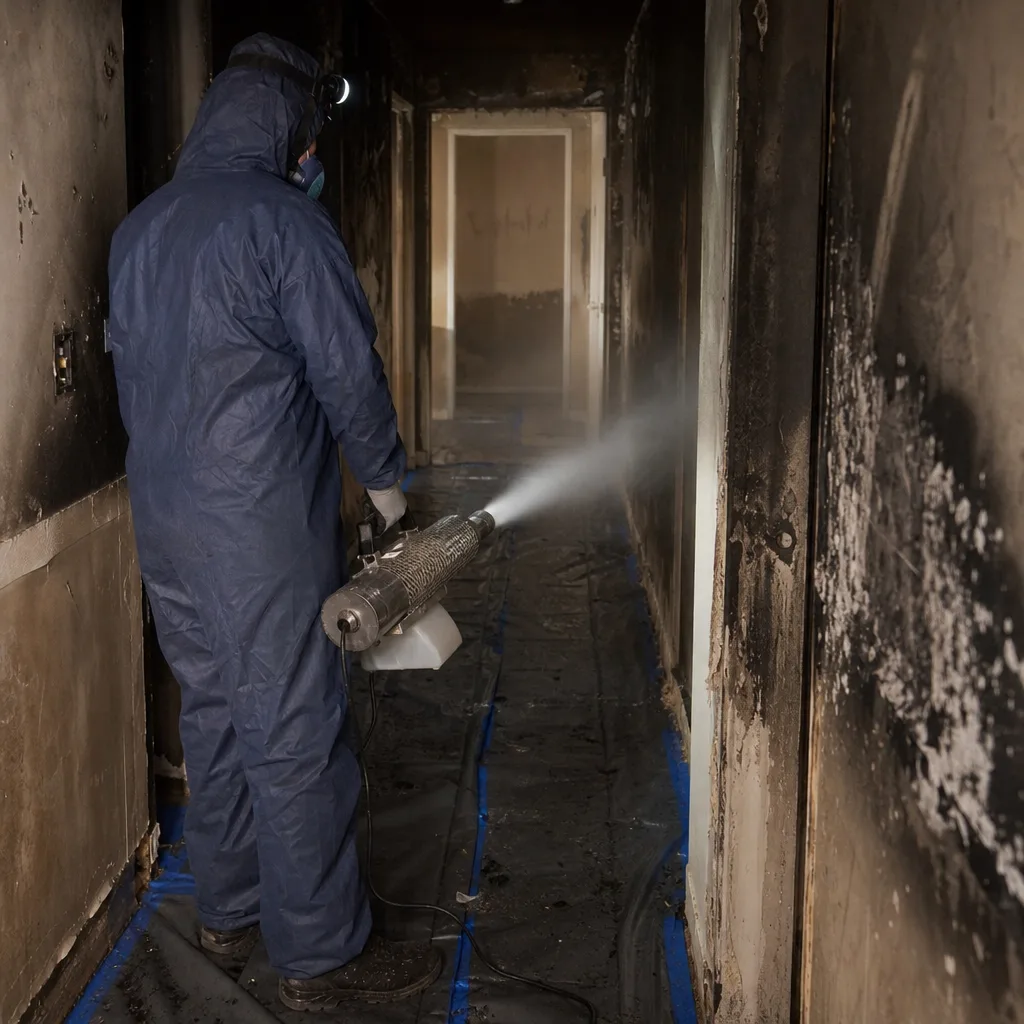
Structural Drying & Dehumidification
This is where San Marcos’s stucco-over-wood-frame construction demands specialized attention. Stucco cladding dries from the outside in, which means the wall cavity behind it can remain saturated for days while the exterior feels dry to the touch. We deploy Phoenix LGR dehumidifiers and XPOWER air movers in calculated configurations based on cubic footage, material permeability, and daily psychrometric readings. For a typical 2,000-square-foot San Marcos home, structural drying runs 3-5 days with daily moisture logs that track specific humidity percentages by room. We don’t pull equipment until readings confirm materials have returned to equilibrium moisture content - usually 12-16% for wood framing in this climate.
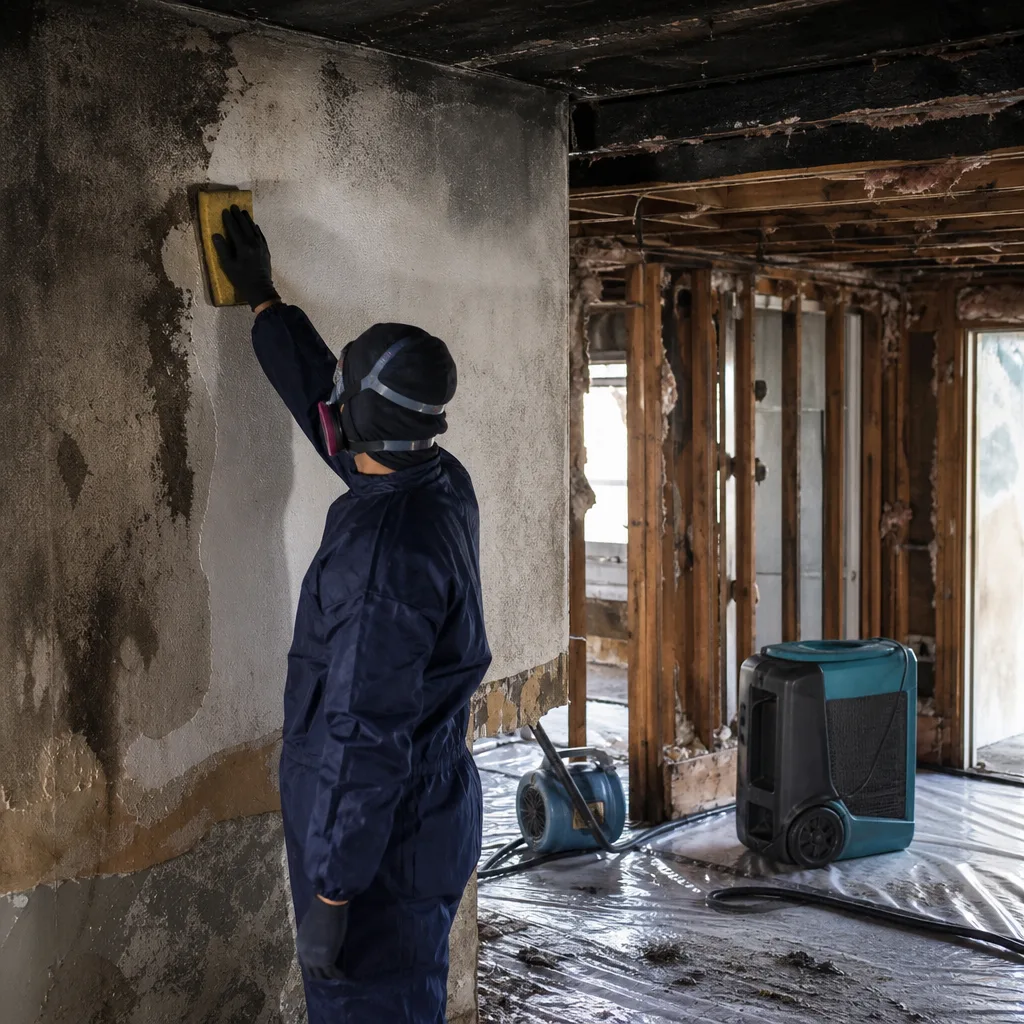
Flood Cleanup
Flood events in San Marcos carry unique contamination risks. When post-fire water suppression soaks stucco-clad framing, or when hillside runoff carries soil and debris into lower-level homes, the water often qualifies as Category 2 or Category 3 under IICRC standards. We test and classify before treatment, establish containment barriers when necessary, and apply antimicrobial agents to affected cavities before sealing. Our crews document every classification decision with photos and written justification - the evidence your adjuster needs to approve coverage.
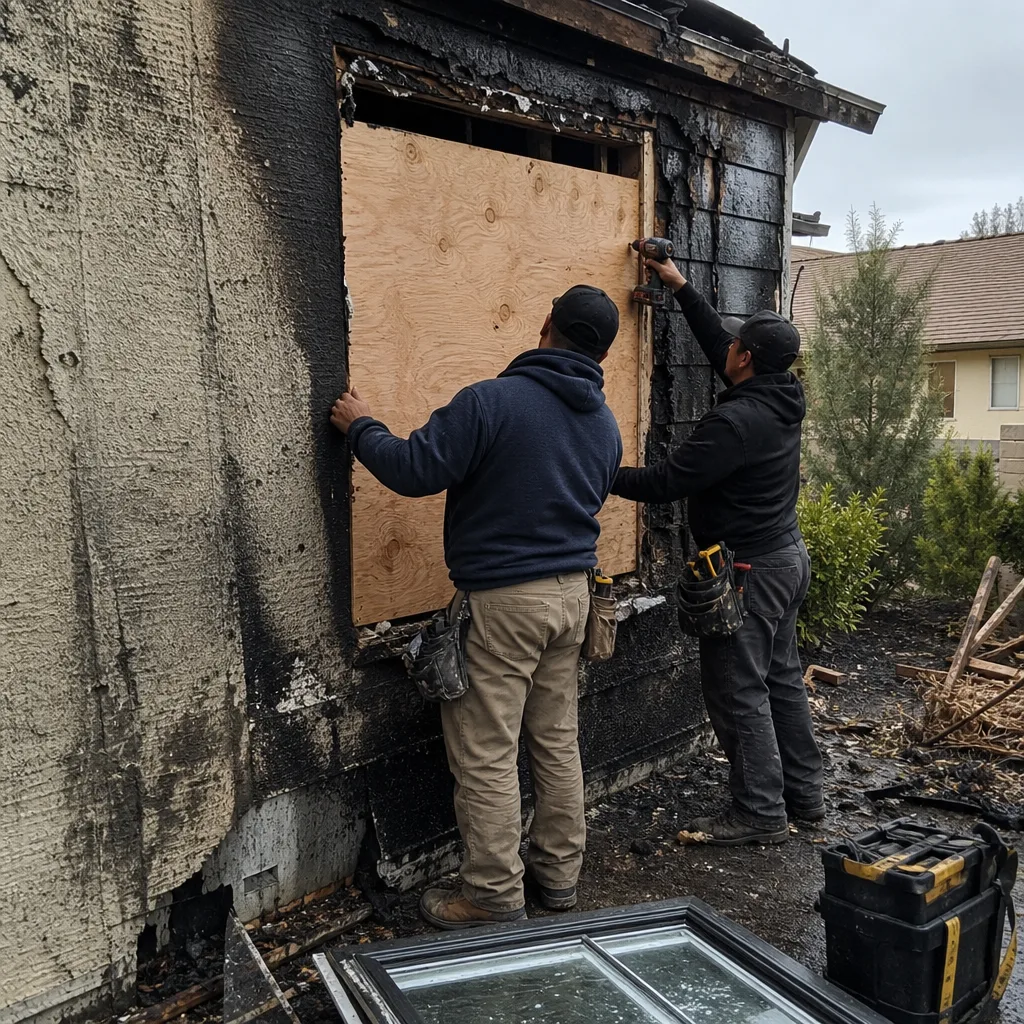
Burst Pipe Restoration
Burst pipes under sinks, behind water heaters, and in exterior walls are common calls in San Marcos’s older subdivisions where original copper and early PEX installations reach end of service life. We don’t just extract and dry - we identify the failure point, document the damage path with photos, and provide a written scope that separates restoration from plumbing repair so your adjuster understands what’s covered. Our field vignette from Discovery Hills illustrates this exactly: after a supply line burst under a kitchen sink, our crew extracted standing water with a Dri-Eaz flood pumper, performed moisture mapping with penetrating and non-penetrating meters, and set up Phoenix dehumidifiers and XPOWER air movers to begin structural drying. Because the home’s stucco-over-wood-frame construction dries slowly, we extended drying logs and monitored daily moisture readings; we also applied antimicrobial treatment to the affected wall cavity before sealing it back up. The homeowner was relieved to avoid a full pack-out and reconstruction.
Basement Water Removal
While true basements are less common in San Marcos than in other markets, hillside homes in Discovery Hills and Twin Oaks Valley often feature walkout lower levels and daylight basements that flood during heavy rain events or irrigation system failures. We deploy submersible pumps and specialized extraction wands for concrete and slab substrates, then monitor for vapor emissions through the slab that can trigger secondary damage if left untreated.
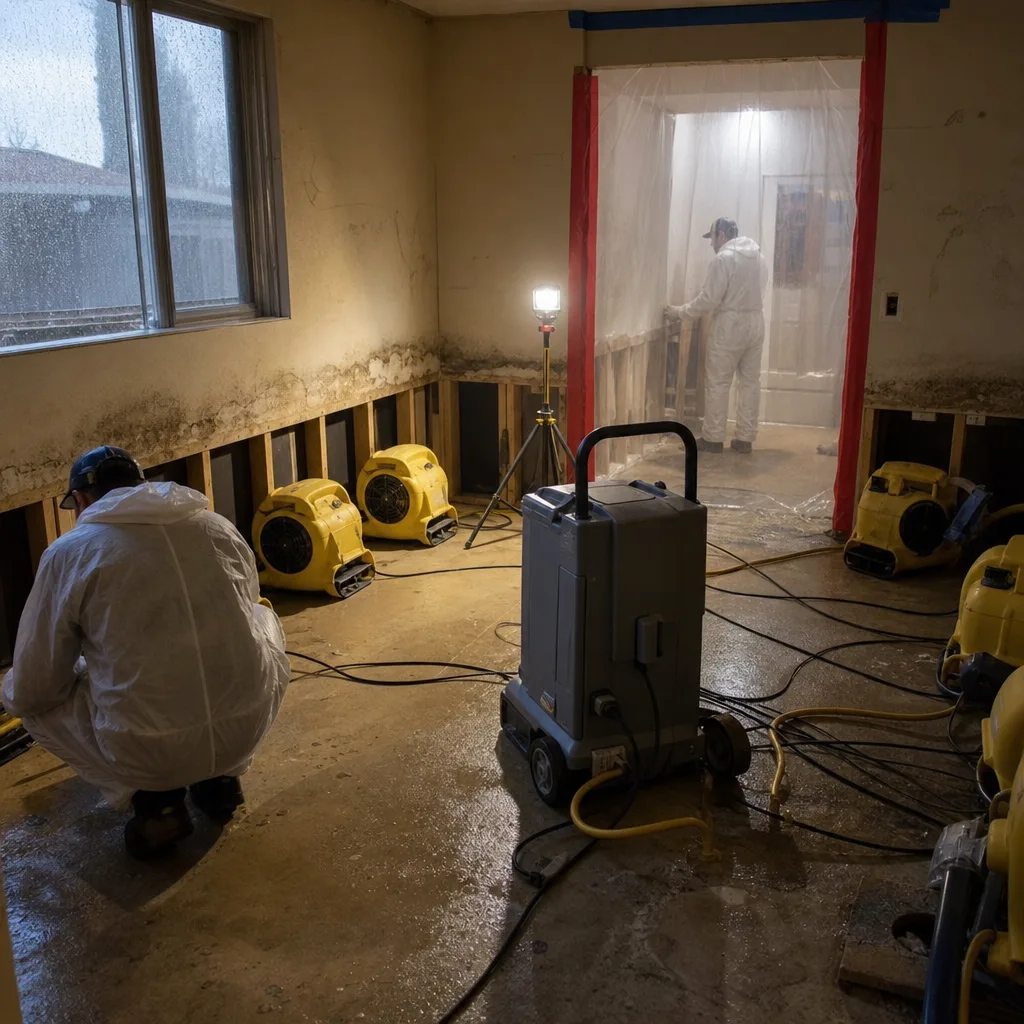
Ceiling & Roof Leak Water Damage
San Marcos’s Santa Ana wind events damage roofing materials and create entry points for water that may not show immediately in ceiling drywall. We use thermal imaging to trace water migration paths, document the full extent of affected insulation and framing, and provide written scope before any ceiling demolition begins.
What happens when you call
- 1
A real person answersNo phone trees - you reach a local pro.
- 2
You get an upfront price rangeHonest numbers before anyone is dispatched.
- 3
A background-checked tech heads outLicensed & insured, dispatched right away.
- 4
You approve before work beginsNothing starts until you say go.
BeforeAfterTrusted Brands We Service in San Marcos
Our equipment fleet includes professional-grade drying systems from Dri-Eaz, Phoenix, XPOWER, B-Air, and Injectidry - brands specified by IICRC, RIA, and IFA standards for water damage restoration. We don’t rent equipment by the job; we own, maintain, and calibrate our fleet so response times to San Marcos aren’t dependent on third-party availability. Injectidry’s specialized drying systems allow us to dry wall cavities and hardwood floors in place without demolition, a significant advantage in stucco-clad homes where opening walls is costly and disruptive. For San Marcos homeowners, this means faster completion, lower reconstruction costs, and documentation that supports direct insurance billing without dispute.
Common Water Damage Restoration Problems We See in San Marcos Homes
- Assuming smoke odor is only a surface issue. Technicians working Twin Oaks Valley and Discovery Hills know that canyon-backing homes regularly pull wildfire smoke into attic spaces and return-air ducts during Santa Ana events. A “smoke odor call” almost always requires duct cleaning and attic insulation assessment - not just surface ozone treatment - because inland wind pressure differential drives contamination far deeper than coastal-city jobs. When marine-layer humidity pushes back inland, that lingering smoke residue combines with condensation to trigger rapid mold growth in wall cavities behind stucco.
- Treating all water as Category 1. When post-fire water suppression or El Niño rain soaks stucco-clad framing, the water often becomes Category 2 or 3. Drying without proper containment or antimicrobial treatment spreads contamination rather than resolving it. We classify before we treat, and we document that classification with photos.
- Delaying structural drying because the stucco exterior feels dry. Moisture trapped behind stucco and in wall cavities can sit for days, allowing mold to begin growing on wet drywall within 24 to 48 hours. We verify with penetrating meters, not touch.
- Ignoring the Santa Ana-marine layer cycle. San Marcos’s inland position means relative humidity can drop to single digits during fire weather, desiccating building materials and cracking stucco, then spike when the marine layer returns. This rapid swing creates condensation inside wall cavities that were “dry” the day before.
Pricing for Water Damage Restoration in San Marcos, CA
Here’s what water damage restoration costs in the San Marcos market, based on jobs we’ve completed across Discovery Hills, Twin Oaks Valley, and surrounding neighborhoods:
| Service | Typical Range in San Marcos |
|---|---|
| Emergency water extraction (initial visit) | $450-$950 |
| Structural drying & dehumidification (3-5 day standard) | $1,800-$3,800 |
| Category 2/3 contamination cleanup with antimicrobial treatment | $2,400-$5,200 |
| Full-service burst pipe restoration with cavity drying | $3,200-$6,500 |
| Attic insulation assessment and duct cleaning (smoke-odor jobs) | $1,200-$2,800 additional |
These ranges reflect San Marcos’s specific conditions: stucco-over-wood-frame construction that extends drying time, hillside drainage complications in canyon-edge lots, and the frequent overlap of water damage with smoke contamination that requires additional scope. Every job is quoted in writing before work begins - Haven Standard, Clause 1 - with no additions once our crew is inside. Call (858) 434-8474 for your specific estimate; assessments are free.
We Also Serve Cities Near San Marcos
Our crews respond throughout North County from our San Diego coordination office, including Water Damage Restoration in San Marcos and surrounding communities: Vista to the west, Escondido to the east, Carlsbad to the southwest, and Encinitas to the northwest. Each city’s housing stock and climate conditions shape our approach - what works for coastal Carlsbad differs from inland San Marcos’s Santa Ana exposure and stucco-drying challenges.
Serving San Marcos, CA - Our Local Coverage Area
We’re based in the San Marcos area and know this community well. Use the map below to see our service coverage - if you’re nearby, we can almost certainly help.
FAQs - Water Damage Restoration in San Marcos
Because San Marcos’s inland valley position amplifies Santa Ana wind events, and canyon-backing homes in Twin Oaks Valley and Discovery Hills pull wildfire smoke deep into attic spaces and return-air ducts. When water damage opens wall cavities or activates HVAC systems, that hidden smoke residue becomes exposed and odor becomes the primary complaint. We always assess ducts and insulation when water damage occurs in smoke-exposed homes. Call (858) 434-8474 and we’ll evaluate both issues during your free assessment.
Mold can begin growing on wet drywall within 24 to 48 hours, and stucco-clad homes in San Marcos are particularly vulnerable because moisture remains trapped behind the cladding while the exterior feels dry. The subsequent marine-layer humidity spike that follows Santa Ana conditions accelerates this growth in wall cavities that never properly dried. We don’t guess at dryness - we verify with penetrating moisture meters and extend drying protocols when stucco construction demands it.
Category 1 is clean water from a supply line; Category 2 is gray water with significant contamination; Category 3 is black water with pathogenic or toxic agents. In San Marcos, post-fire water suppression and El Niño hillside runoff frequently push Category 1 events into Category 2 or 3 territory due to soil contact, fire retardant chemicals, or cross-contamination. The classification determines whether containment, antimicrobial treatment, and specialized disposal are required - and what your insurance policy covers. We test, classify, and document before treatment begins.
No. Many San Marcos jobs, particularly burst pipe events in stucco homes where we can deploy Injectidry cavity drying systems, are completed with contents in place. We evaluate based on contamination level, material sensitivity, and drying access. Our Discovery Hills field example above avoided full pack-out through targeted extraction, extended drying logs, and antimicrobial cavity treatment. We’ll tell you honestly whether pack-out is necessary after our moisture mapping assessment.
San Marcos’s inland position creates temperature swings of 20-30 degrees between day and night, with relative humidity fluctuating dramatically. Our equipment configurations account for this: dehumidifiers are sized for peak daytime load, air mover positioning is adjusted for nighttime humidity spikes, and daily psychrometric logs track these swings to prevent false “dry” readings. Equipment that works in stable coastal Carlsbad often fails in San Marcos without this calibration.
Written by Alicia Brennan, Owner at DryMark Restoration San Marcos, serving San Marcos since 2011.